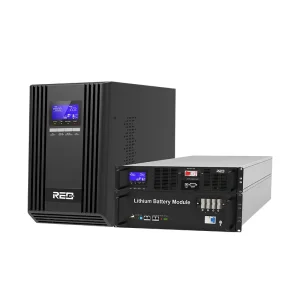
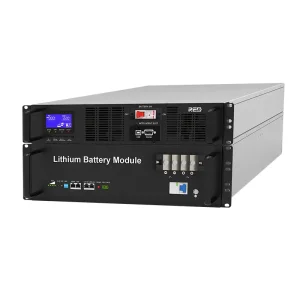
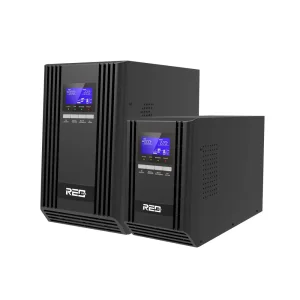
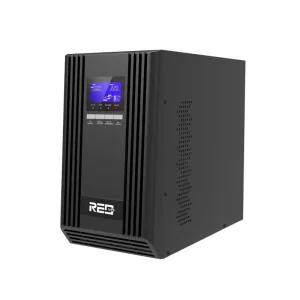
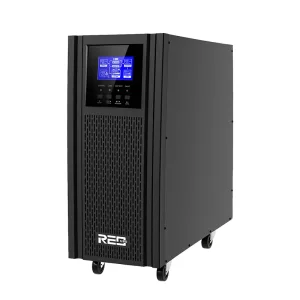
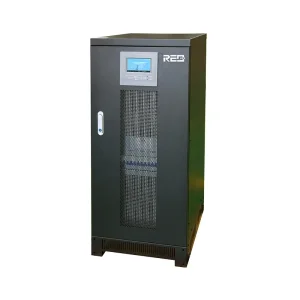
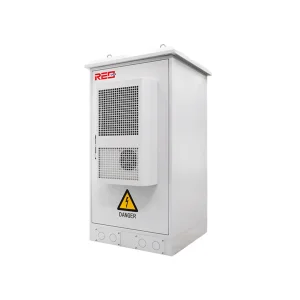
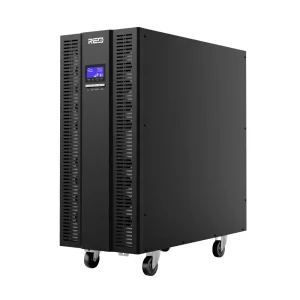
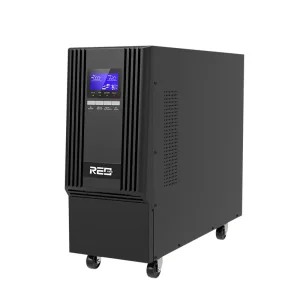
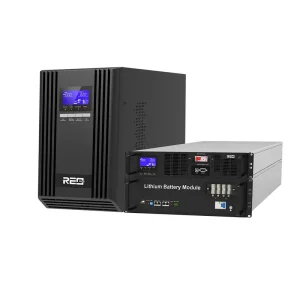
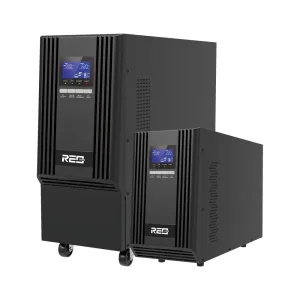
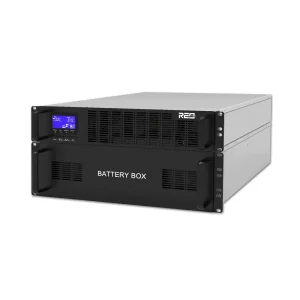
Engineered for mission-critical IT, data centers, networks, and outdoor applications.
Shenzhen REO Power Co., Ltd. is a top UPS manufacturer in Shenzhen China that main focus on UPS power, single phase UPS, split UPS (220V input/110V+110V output), three phase UPS, lithium-ion UPS, modular UPS, outdoor UPS, off line UPS, solar inverters, batteries and other related solar products.
We have extensive experience in researching, developing, manufacturing, selling and servicing customers from over 100 countries across various industries. Since 2015, we have optimized high-availability setups for critical infrastructure, telecommunication, and enterprise grids.
Contact Our Engineers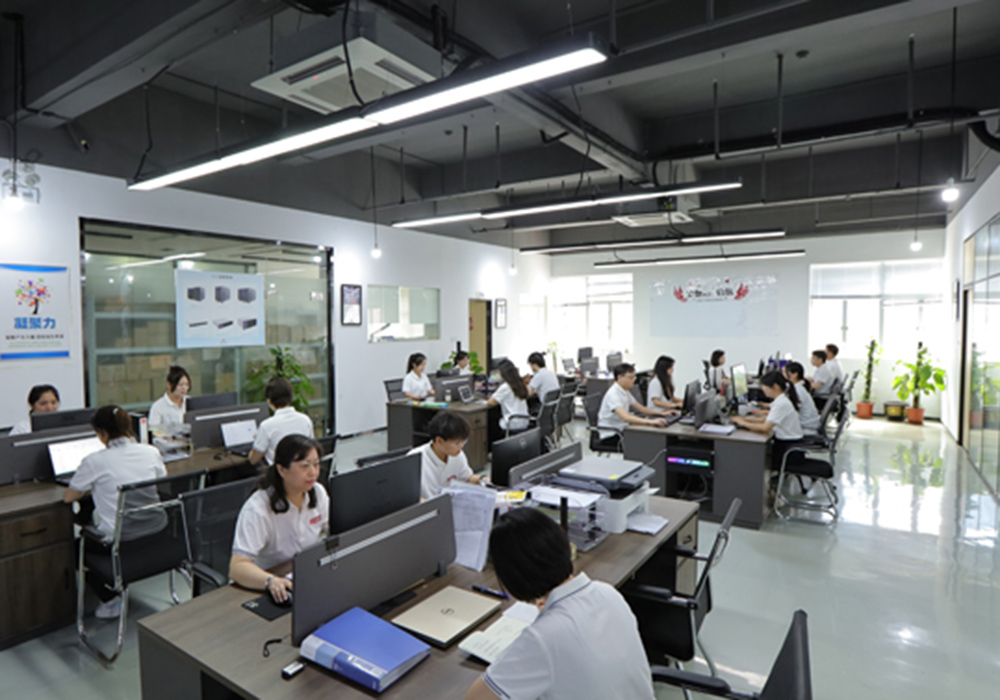
Why leading global distributors and EPC contractors choose REO Power for backup systems.
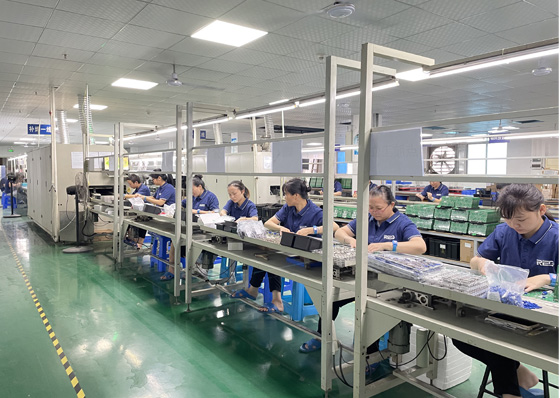
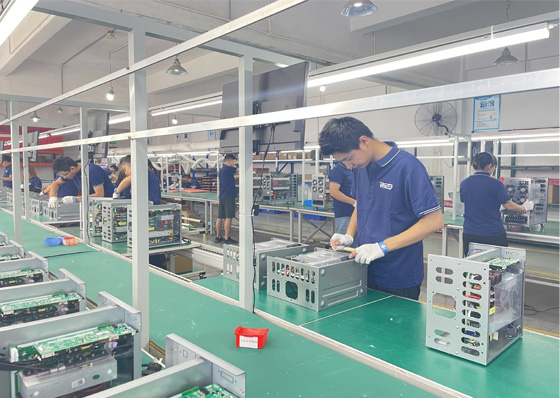
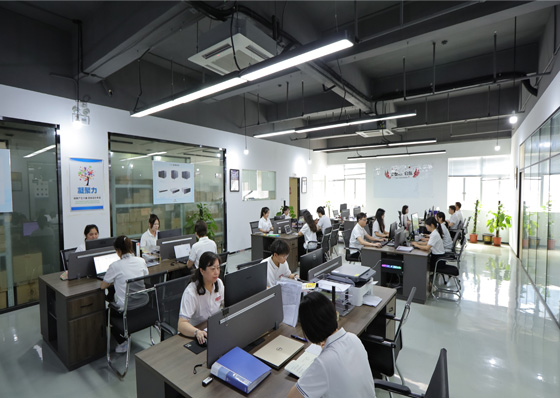
Operated within an ISO9001 structure across 13,500 square meters. Our processes comply fully with international safety and quality protocols including CE and IEC certifications.
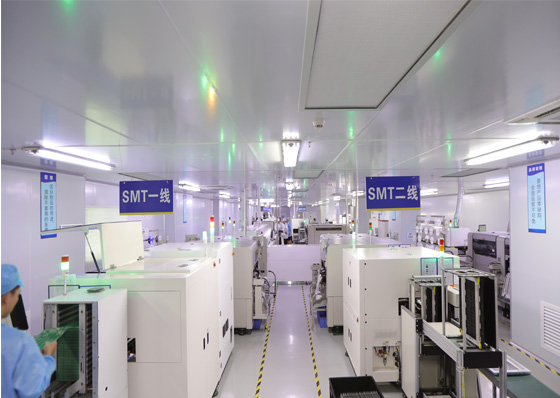
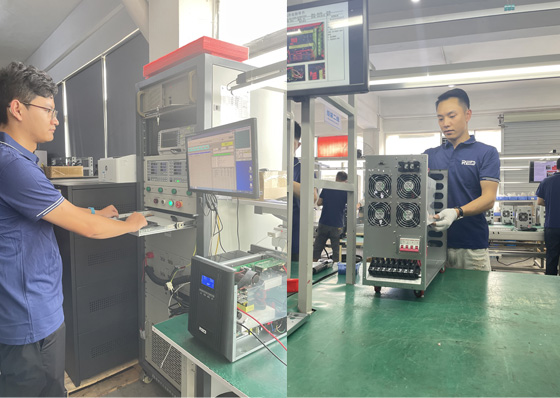
Equipped with advanced intelligent test beds: AOI optical inspections, ICT component checkers, FCT, ATE systems, and vibration test tables. We conduct 100% load test cycles.
Under the direct stewardship of our CTO, bringing over 20 years of active ODM/OEM design experience. We support hardware adaptations, firmware calibration, and software API integration.
The industrial and commercial standby power landscapes are undergoing a fundamental transition. Lead-acid batteries, long the default chemistry for uninterruptible power systems, are being rapidly supplanted by advanced Lithium-Ion chemistries, primarily Lithium Iron Phosphate (LiFePO4) and Lithium Nickel Manganese Cobalt (NMC). This transition is catalyzed by the demanding operational requirements of modern decentralized data centers, hyper-scale cloud facilities, and advanced automated manufacturing loops.
"According to industrial energy projections, Lithium-Ion solutions in the enterprise and data center market space are expected to capture over 70% of new deployments by 2028, driven by lower total cost of ownership (TCO) and rapid charge-discharge profiles."
Several key macro trends dictate how OEM factories and suppliers design and customize modern UPS units:
Within OEM lithium-ion UPS development, safety is paramount. The industry has consolidated primarily around Lithium Iron Phosphate (LiFePO4) due to its superior thermal runaway threshold and long lifespan (up to 4,000–6,000 cycles at 80% Depth of Discharge). Combined with high-speed Smart Battery Management Systems (BMS), these configurations actively monitor cellular voltage, thermal thresholds, and state-of-charge (SoC) parameters to prevent thermal failures before they manifest.
Operating 10 high-output production lines yielding up to 80,000 units monthly across dual bases.
Modern commercial operations require local computing nodes for rapid data processing. Because edge centers are often unmanned, they require highly reliable batteries. Using a rack-mounted 110V/220V Lithium-ion UPS ensures 10+ years of maintenance-free performance, drastically lowering dispatch costs for replacing dead lead-acid batteries.
Outdoor cellular sites and remote industrial machinery face extreme temperature spikes. Outdoor waterproof online UPS systems, integrated with robust thermal jackets and active BMS configurations, offer reliable runtime solutions under conditions that would quickly disable standard VRLA layouts.
Healthcare facilities require instantaneous online double-conversion architectures. Our transformer-based low-frequency systems offer robust galvanic isolation, ensuring clean sinusoidal waveforms are constantly delivered to sensitive diagnostic machines, even during severe grid variations.
Clear answers to typical engineering, purchasing, and implementation questions.
Scalable backup options designed for edge-to-core network topologies.
 REO UPS