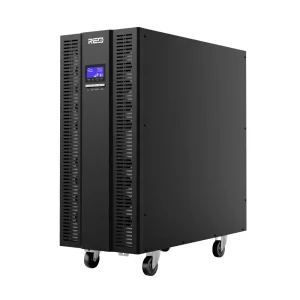
OEM 3-1Phase High-efficiency Online UPS 10-20KVA Suppliers, Factory
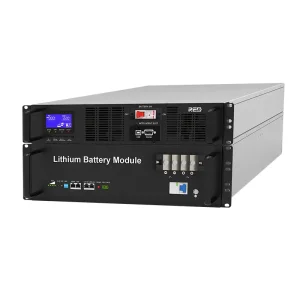
ODM 220V Lithium-Ion Online UPS 1-6KVA 48V Manufacturer, Suppliers
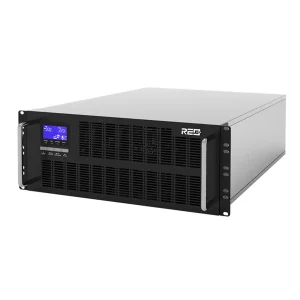
OEM 110V 19 Inch Network Rack Mount No Break Online UPS 6~10KVA Manufacturers, Supplier
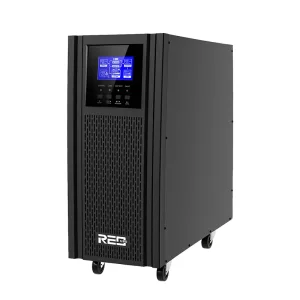
ODM Split phase No Break UPS with isolation transformer output 6~10KVA Manufacturer, Manufacturers
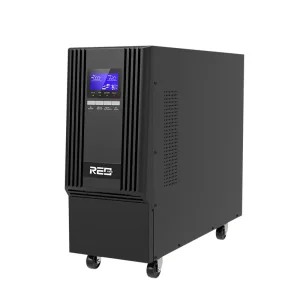
OEM 110V Nobreak Senoidal Online UPS 6~10KVA Manufacturer, Factories
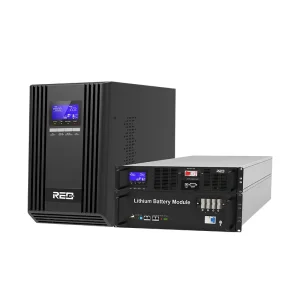
ODM 110V Lithium-Ion Online UPS 1-3KVA 48V Supplier, Suppliers
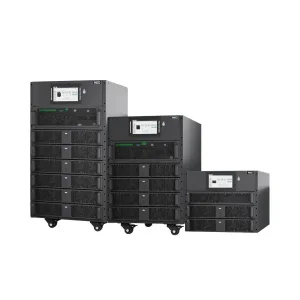
ODM Hot-swappable Modular UPS Solutions 15-120KVA Manufacturer, Manufacturers
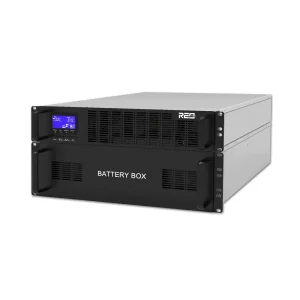
ODM 110V Rackmount No Break Online UPS 1-3KVA Manufacturer, Factories
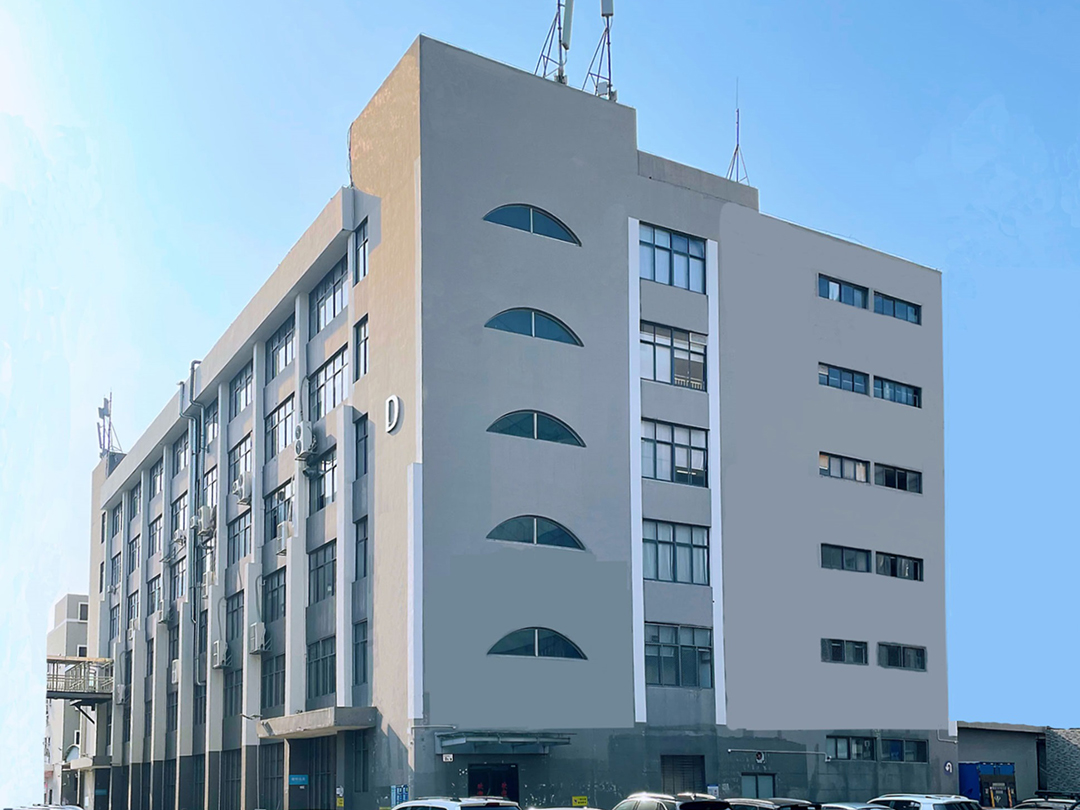
Shenzhen REO Power Co., Ltd. is a premier, ISO 9001-certified OEM/ODM manufacturer specializing in high-performance uninterruptible power systems (UPS), split-phase systems (220V input/110V+110V output), single-phase, three-phase, lithium-ion energy backups, and micro-grid solar inverters. Established in 2015, we operate from a advanced 13,500 square meter industrial park in Shenzhen, China.
Our operational philosophy focuses on engineering excellence and deep manufacturing integration. By working directly with enterprise clients across 100+ countries, we build co-developed hardware platforms that mitigate electrical disruption and safeguard critical data centers, precision healthcare equipment, and global automated production lines. Our mission goes beyond manufacturing: we develop tailored architectures designed to optimize total cost of ownership (TCO) and maximize uptime in demanding environments.
The global industrial power infrastructure is undergoing a rapid transition. Traditional single-phase networks often struggle with modern multi-voltage equipment loads, while three-phase installations require significant capital investments. Biphase power backup—commonly deployed in North American and select Latin American markets as split-phase (120V/240V or 110V/220V) systems—has emerged as the preferred architectural standard for distributed industrial networks, edge data sites, and commercial facilities.
Modern applications require simultaneous multi-voltage support. For example, a commercial system may require 240VAC for high-performance cooling fans or motors, and 120VAC for control cards, human-machine interfaces (HMIs), and networking switches. Using a split-phase UPS with an integrated isolation transformer provides galvanic isolation, isolates downstream equipment from upstream grid harmonics, and resolves common-mode noise issues. This approach eliminates the cost of installing step-down transformers, improves system efficiency, and reduces structural complexity.
Combining dual voltage lines (110V/220V or 120V/240V) within a single power backup unit reduces structural complexity, eliminates step-down transformers, and lowers raw installation costs by up to 30%.
Modern commercial specifications are shifting from Valve-Regulated Lead-Acid (VRLA) batteries to Lithium Iron Phosphate (LiFePO4). This transition provides a 10-year service life, lower system weight, and support for high-temperature operations.
As computations migrate from centralized data centers to edge environments, onsite power protection must be modular and fit standard 19-inch racks while delivering up to 10kVA of isolated biphase power.
Global procurement teams must balance hardware costs against operational reliability. In the critical backup energy sector, system downtime can lead to substantial financial losses. Enterprise buyers typically prioritize key technical parameters when selecting manufacturing partners:
REO Power addresses these requirements through custom-engineered chassis configurations, integrated isolation transformers, and flexible communication options. Our products help engineering teams deploy compliant, site-ready power protection systems that meet strict international regulatory standards.
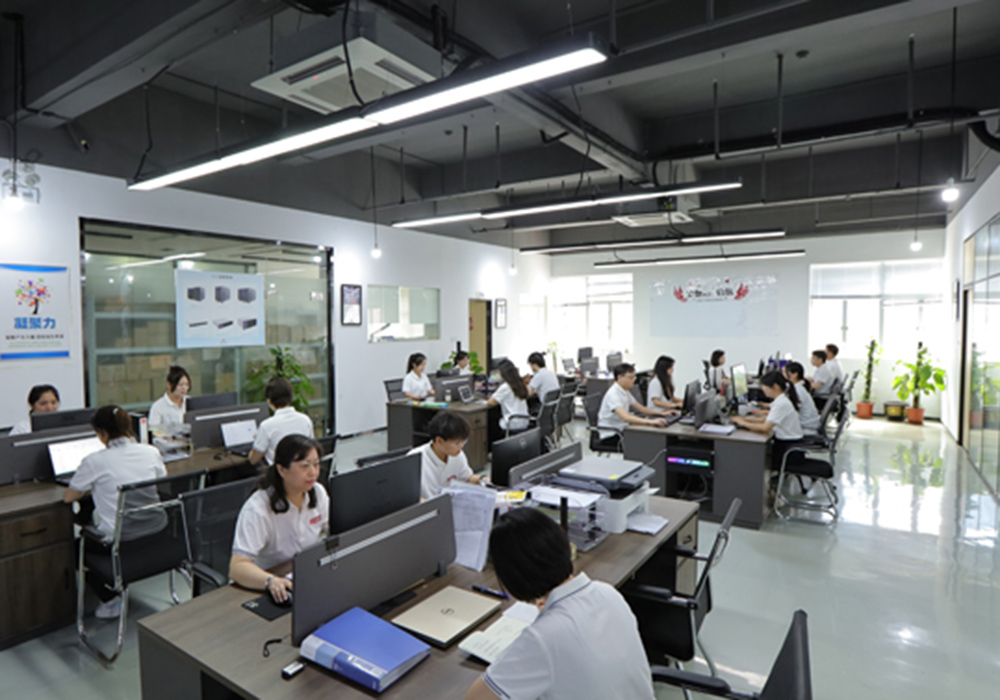
Our production facilities utilize modern automation and quality assurance workflows. Operating from our Shenzhen manufacturing center, we manage the complete lifecycle of our power systems—from Surface Mount Technology (SMT) component assembly to final system validation.
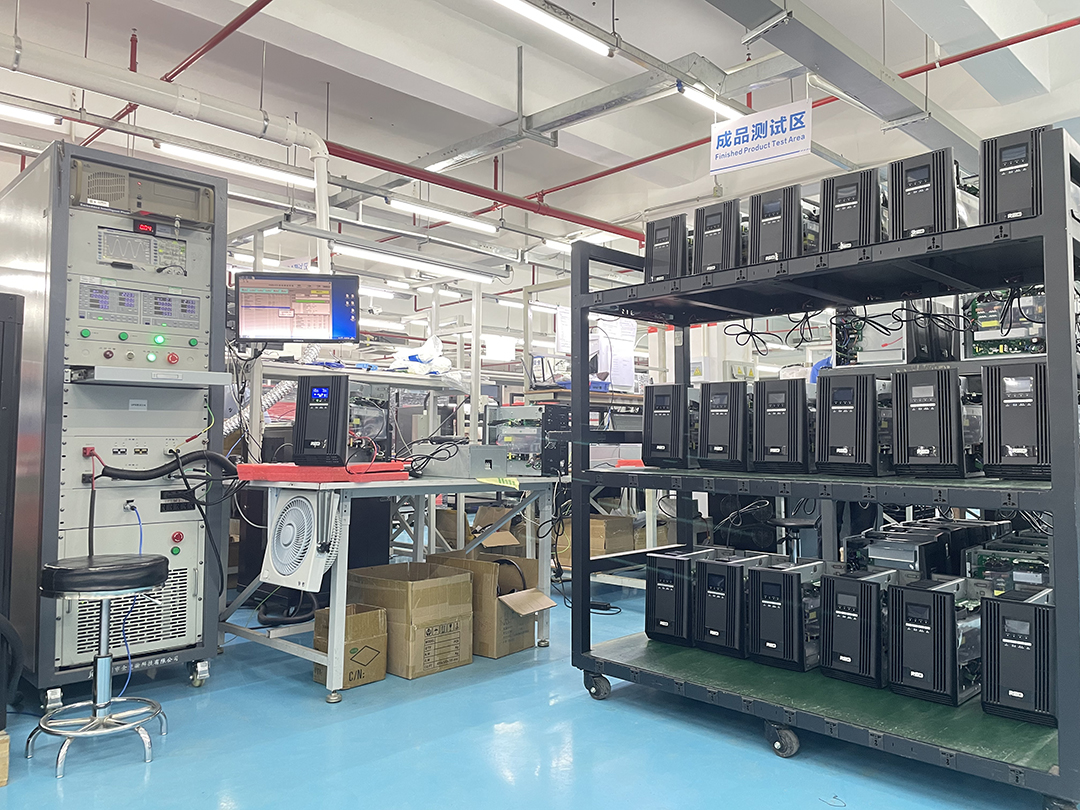
Every printed circuit board (PCB) undergoes Automated Optical Inspection (AOI) followed by In-Circuit Testing (ICT) to locate and correct soldering anomalies or component variations prior to system assembly.
All finished systems undergo a complete 8-hour burn-in at full load, with Automatic Test Equipment (ATE) checks performed both before and after the burn-in cycle to ensure field-readiness.
Our production processes are ISO 9001 certified, and our UPS product lines comply with CE, IEC 62040-1, and IEC 62040-2 standards to ensure reliable operation under varying grid conditions.
Our supply chain model helps mitigate external logistics risks. By stocking critical electrical components—including high-frequency magnetic cores, power semiconductors, and smart control microprocessors—we maintain on-time delivery rates of 96% and sustain a monthly output of 80,000 units across 10 production lines.
Under the direction of our CTO, who brings over 20 years of design experience to the organization, REO Power partners with clients to design power systems customized for specific regional applications. We specialize in modifying system form factors, control firmware, and power distribution paths to match your deployment environments.
• Customized chassis dimensions & mounting options
• Custom internal isolation transformer designs
• Personalized LCD interface graphics & options
• Custom DSP firmware adaptations
• Silk-screened branding and packaging
• Localized multi-language user interfaces
• Custom socket types (NEMA, Schuko, IEC)
• Regulatory approvals and filing support
Critical processes require dedicated power protection. Our biphase and double-conversion UPS systems are deployed across diverse sectors to ensure operational continuity:
Medical imaging systems, such as ultrasound and MRI machines, require isolated, low-distortion power. Our customized double-conversion systems protect sensitive diagnostic sensors from voltage transients and common-mode noise.
In automated manufacturing environments, a voltage sag lasting only milliseconds can disrupt PLC controllers and halt assembly lines. Our online systems maintain constant voltage levels to prevent production downtime.
Designed to fit standard 19-inch rack enclosures, our space-saving UPS systems deliver high power density, long-lasting backup energy, and remote monitoring tools for edge computing centers and telecom hubs.
A biphase or split-phase UPS takes a single-phase input and provides two separate 110V or 120V output phases offset by 180 degrees. This provides three configuration options: L-N (110V/120V), L-N (110V/120V), and L-L (220V/240V) across the phase conductors. These setups are standard in North American and select Latin American markets, allowing facilities to power both low-voltage control circuits and high-voltage motors or heating elements from a single UPS.
An isolation transformer output provides galvanic separation between the input grid and the connected load. This isolates the load from upstream electrical disturbances, filters common-mode noise, and stabilizes the neutral line output under unbalanced load conditions. This isolation is crucial for protecting sensitive medical, testing, and telecommunications equipment.
Our quality control process requires every UPS unit to undergo a full 8-hour burn-in under full load conditions. We perform testing using Automatic Test Equipment (ATE) both before and after the burn-in cycle, checking parameters such as efficiency curves, transient responses, and inverter performance. This multi-stage check helps ensure system reliability and performance in the field.
Our ODM program supports extensive system customization. We can modify physical cabinet dimensions to fit custom enclosures, adjust DSP firmware parameters, customize LCD layouts, modify electrical configurations, and integrate communication protocols (such as SNMP, RS485, and Modbus). For OEM requirements, we provide localized multi-language user interfaces, custom exterior branding, and specialized packaging.
LiFePO4 batteries offer several performance advantages over traditional lead-acid systems, including a 10-year design life (up to 3,000 charge cycles), a 60% reduction in weight, and stable operation at higher temperatures (up to 60°C). These features help reduce battery replacement costs and lower the total cost of ownership over the life of the UPS.
OEM 220 High Efficiency Lithium Ion Power UPS 1-3KVA 48V Suppliers, Factory
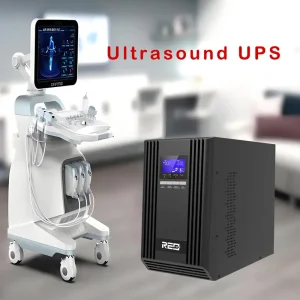
OEM Customized Ultrasound UPS Medical Online UPS Model Maxwin Pro 3KW Supplier, Factories
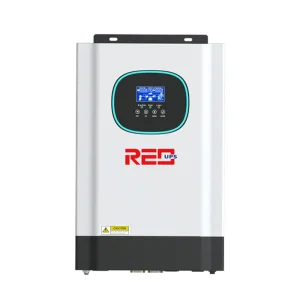
ODM Removable LCD Screen Off Grid Solar Inverter 3.5KW~5.5KW Supplier, Factory
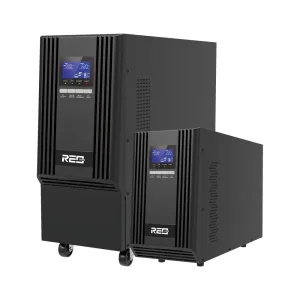
ODM 220V High Frequency Online UPS 6-10KVA Supplier, Factories
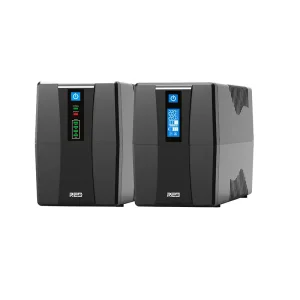
ODM Computer Offline UPS 600 -3000VA Suppliers, Factories
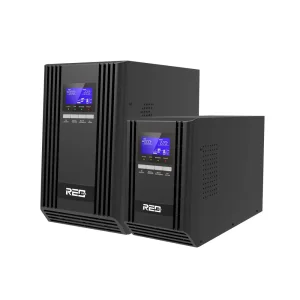
ODM 220V High Frequency Online UPS 1-3KVA Supplier, Factory
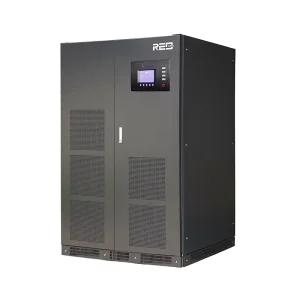
ODM Medical Equipment Low Frequency online UPS 160~600KVA Supplier, Suppliers
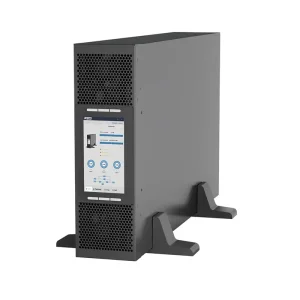
OEM 3Phase N+1 Redundant High Efficiency Rack and Tower Online UPS 10~60KVA Manufacturers, Supplier
 REO UPS