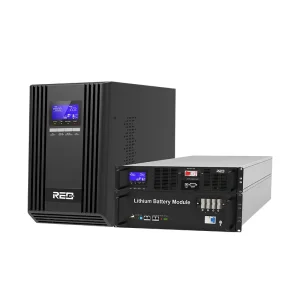
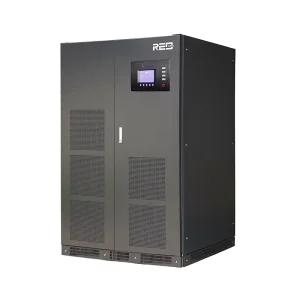
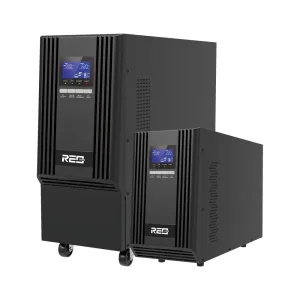
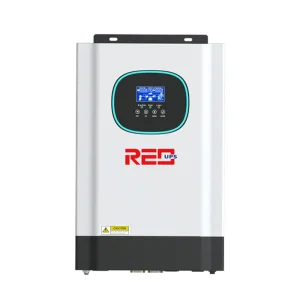
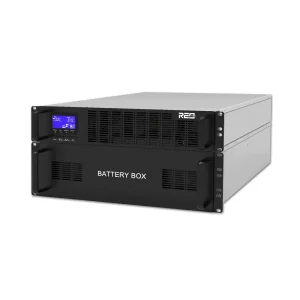
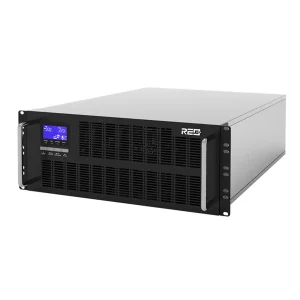
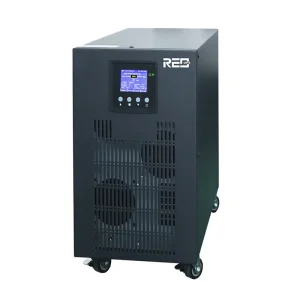
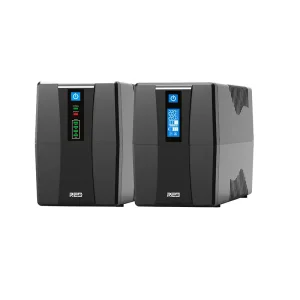
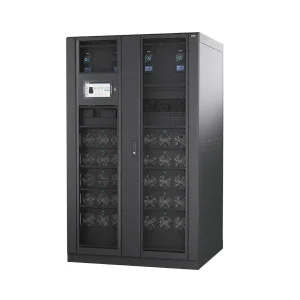
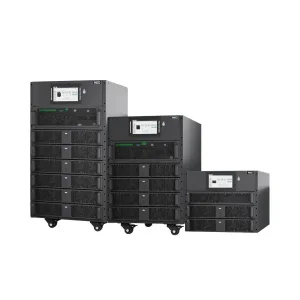
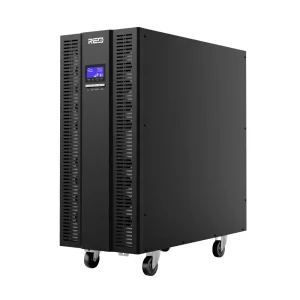
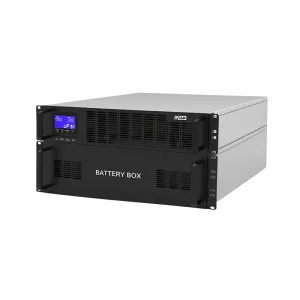
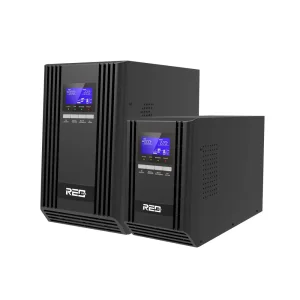
Explore our core range of custom OEM/ODM low-frequency double conversion online UPS systems, rack-mount systems, and clinical medical equipment power supplies.
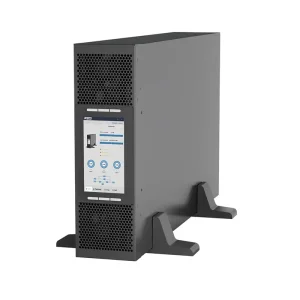
A comprehensive engineering review on why low-frequency isolation topologies remain the gold standard for harsh environments.
In modern industrial facilities, power quality is constantly threatened by voltage transients, DC bias offsets, and severe harmonic distortion. Unlike high-frequency (HF) transformerless UPS systems that rely entirely on electronic semiconductor circuits to suppress disturbances, transformer-based (Low-Frequency) UPS topologies incorporate a physical copper/aluminum isolation transformer at the inverter output output stage.
This design establishes a true magnetic barrier—known as galvanic isolation. By decoupling the output from the DC bus and input utility source, low-frequency systems offer complete immunity to common-mode electrical noise and prevent DC fault propagation to the critical load. This is especially vital in healthcare imaging (MRI/CT scanners) and manufacturing lines where high inrush currents can destroy transformerless bypass stages.
| Engineering Parameters | Low-Frequency (Transformer-Based) UPS | High-Frequency (Transformerless) UPS |
|---|---|---|
| Galvanic Isolation | Complete physical magnetic isolation (Built-in output transformer) | None (Requires external isolation cabinets if needed) |
| Inrush Current Handling | Exceptional (Up to 150-200% load surges for critical duration) | Moderate (Fast-acting electronic limiters may trip bypass) |
| Common-Mode Noise Rejection | Highly Effective (>60 dB attenuation capability) | Relies on active filtering components (Limited attenuation) |
| DC Offset Propagation | Zero chance (Transformer blocks DC current entirely) | Possible (Leaked DC can saturate downstream components) |
| Expected Operating Lifespan | 15 to 20 Years (Heavy-duty components and heat sinks) | 8 to 10 Years (Higher component wear, sensitive capacitors) |
Our solutions cater directly to highly demanding vertical sectors where power failure is not an option:
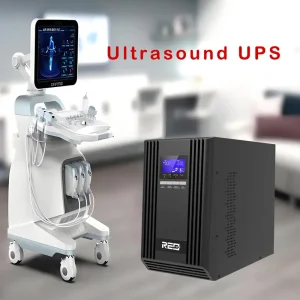
Certified for ultrasound arrays, CT scanners, and life support apparatus, providing stable sine-wave profiles and complying with strict medical leakage current limits.
Resilient against motor startup spikes, variable speed drives, and regenerative braking voltage, ensuring factory machinery runs without micro-interruptions.
Supports low power factor loads, integrating N+1 redundancy architectures with high-efficiency bypass mechanisms for maximum server uptime.
The development of transformer-based UPS technology is far from stagnant. Our R&D team, guided by a multi-decade technology roadmap, is actively implementing advanced optimization parameters:
Silicon Carbide (SiC) Hybrid Topologies: By utilizing SiC MOSFETs in the inverter stage while retaining a low-frequency copper transformer, we achieve the high efficiency values typically associated with transformerless systems (up to 95.5% in double conversion mode) without sacrificing galvanic isolation.
Advanced DSP (Digital Signal Processor) Vector Controls: Transitioning from analog feedback loops to high-speed DSP processing allows real-time monitoring of magnetic flux. This prevents core saturation in the transformer during asymmetric load transients and maximizes battery runtime through smarter battery discharging algorithms.
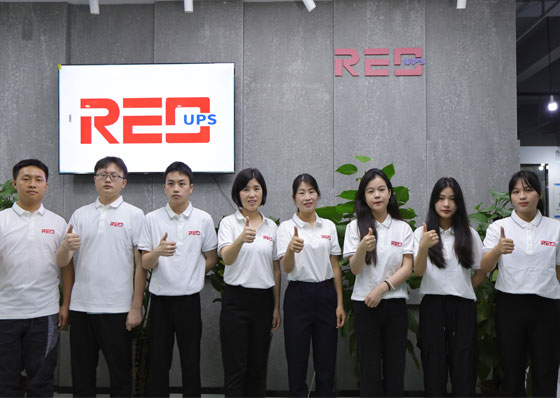
Established in 2015 and operating from a massive 13,500 square meter industrial campus in Shenzhen, China, Shenzhen REO Power Co., Ltd. has established itself as an authoritative leader in modern power conversion technology. We prioritize strict quality engineering for high-reliability power systems, delivering customized solutions across the globe.
Our comprehensive portfolio focuses on robust UPS power configurations including single phase UPS, split-phase UPS (220V input/110V+110V output), high capacity three phase UPS, lithium-ion battery integration, modular hot-swappable UPS, outdoor cabinet solutions, line-interactive offline UPS, solar inverters, and maintenance-free battery banks. With a highly qualified team of 150+ workers, we serve critical infrastructure in over 100 countries.
Our CTO, with more than 20 years of hardware ODM/OEM technical experience in industrial power electronics, leads our elite design lab. Rather than standard, run-of-the-mill assembly, we pursue a consultative co-creation model with global engineering clients. We optimize electrical, structural, and control code parameters to meet unique regulatory, layout, and voltage profiles in regional markets.
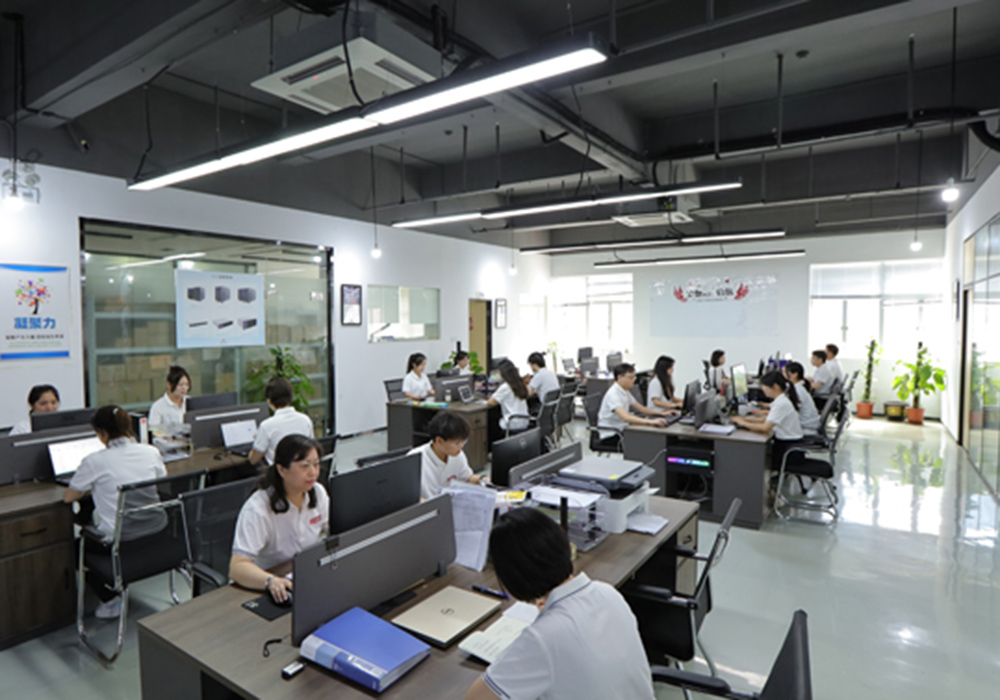
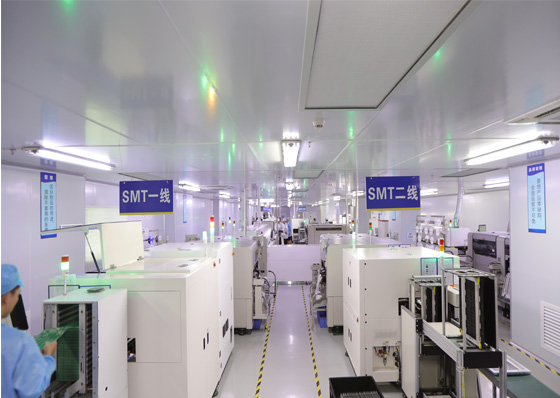
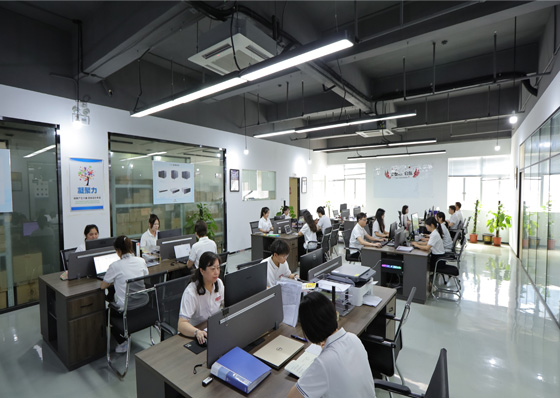
A look inside our modern Shenzhen production bases, engineered for quality assurance, zero-defect processes, and high-volume scalability.
Our facility houses high-precision machinery including Automated Optical Inspection (AOI), In-Circuit Testing (ICT), Functional Testing (FCT), and Automatic Test Equipment (ATE) to guarantee PCB component accuracy.
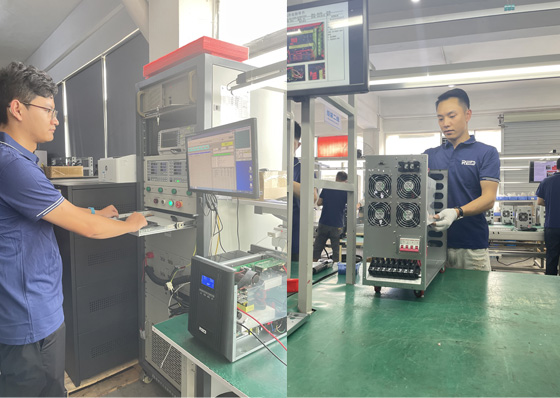
Every single UPS unit—not just random batches—undergoes a rigorous burn-in test of at least 8 hours under full mechanical load capacity inside custom thermal chambers, verifying real-world operation.
Equipped with 2 large production bases and 10 state-of-the-art assembly lines, we successfully manufacture over 80,000 finished units per month with a 96% on-time shipping window.
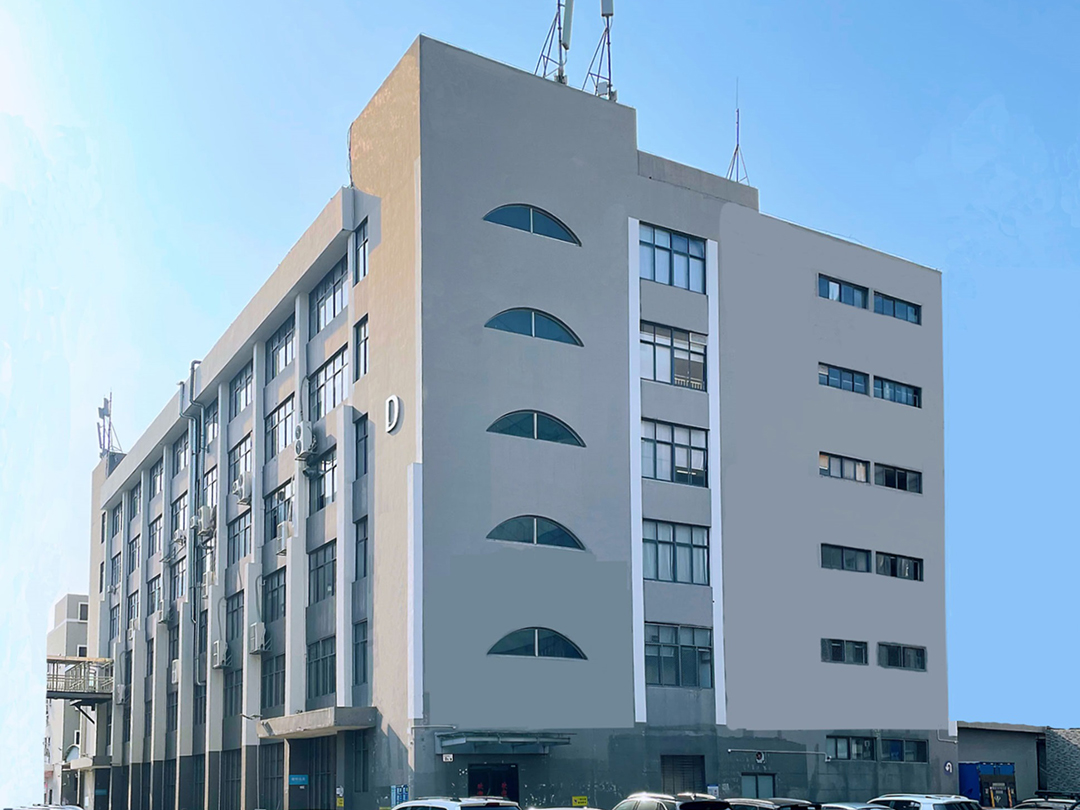
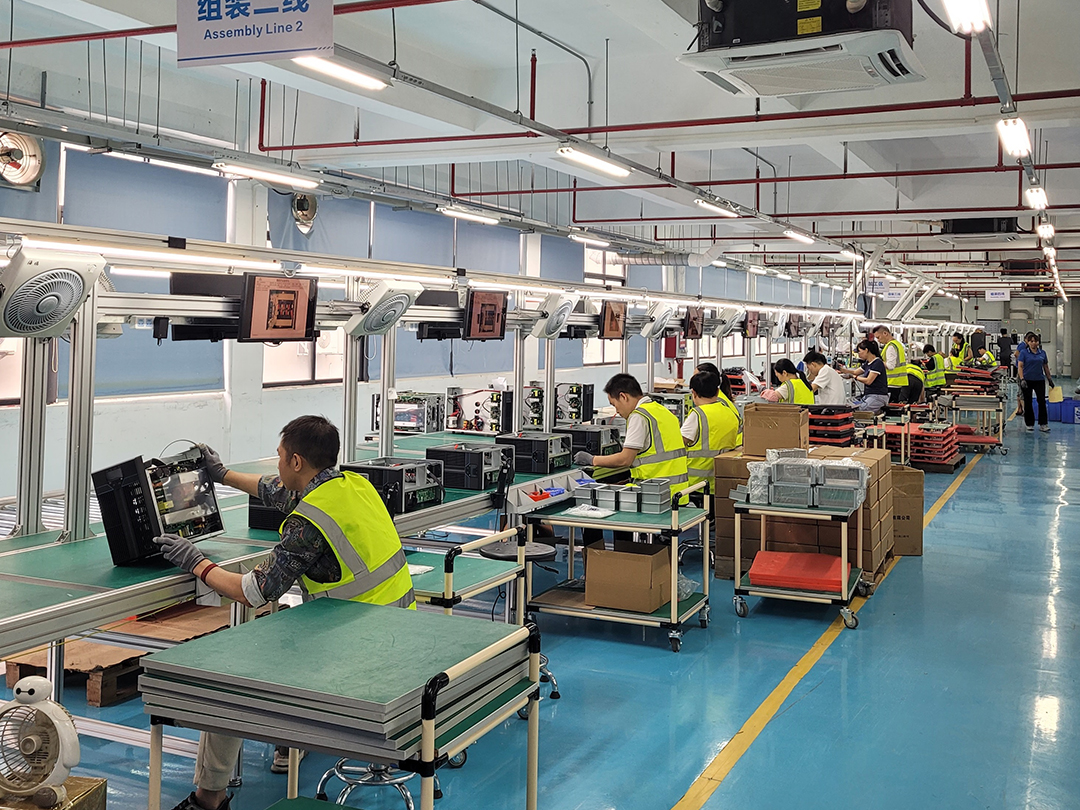
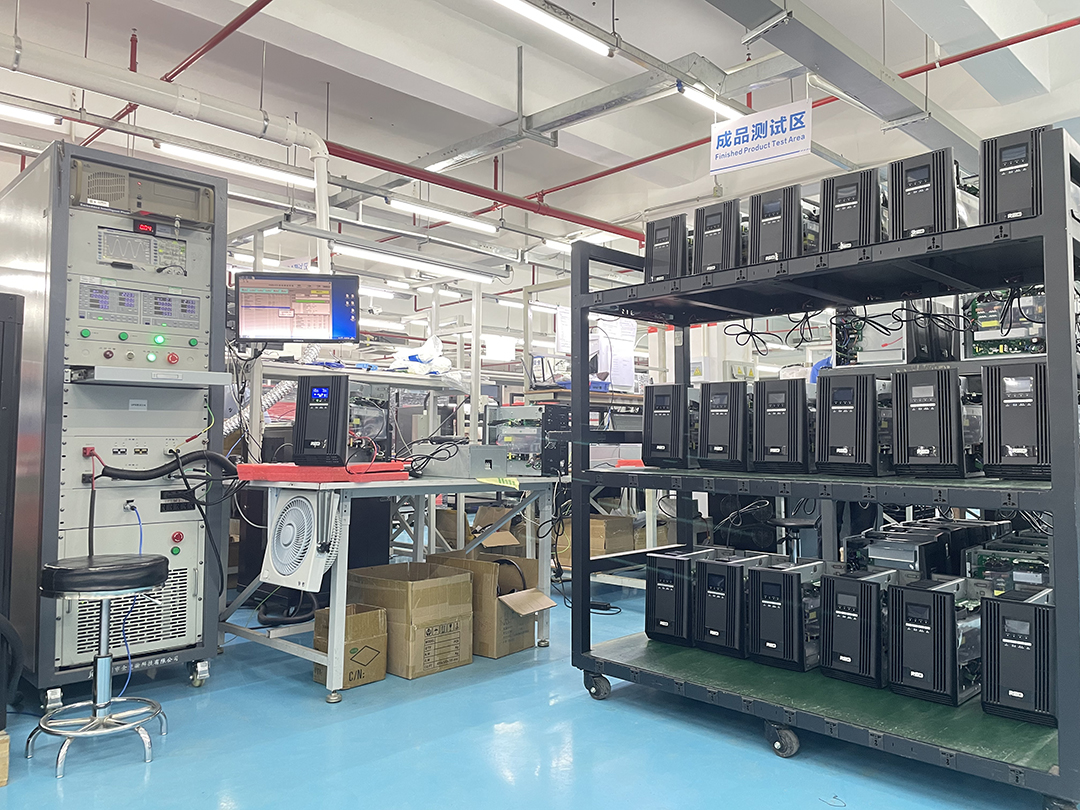
Take an inside look at our specialized production floors, testing chambers, and raw material warehouses.
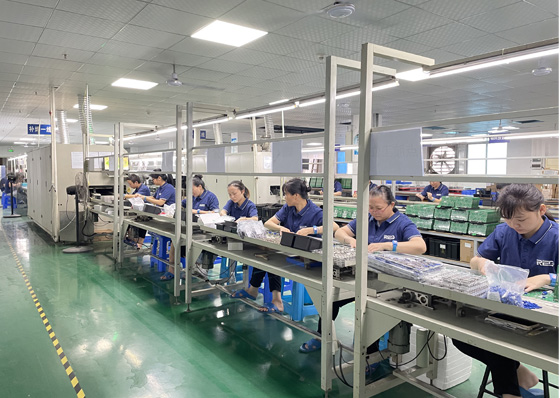
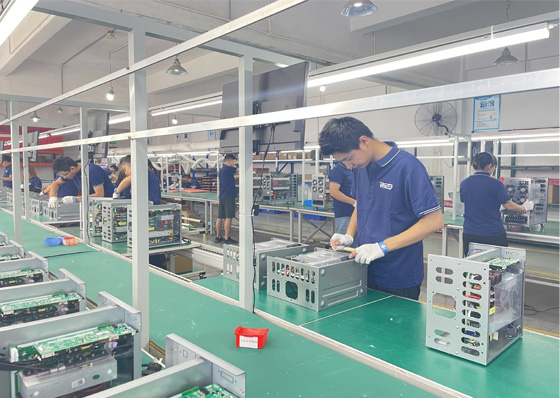
We work closely with global engineering clients to customize hardware and software to local power grids.
For custom engineering projects requiring tailored electrical topologies and chassis re-designs:
For clients seeking high-efficiency manufacturing of existing power designs under private labels:
Our engineering services comply with global testing criteria to verify reliability in target markets.
To operate safely in medical clinical units, edge computing setups, and hazardous industrial fields, UPS systems must follow strict compliance standards. Our manufacturing line operates under a strict ISO 9001:2015 Quality Management System. Every UPS shipped complies with safety certifications, including:
Global certification defining safety, electromagnetic compatibility (EMC), and environmental criteria for static UPS configurations.
Validates complete compliance with European safety, health, and environmental standards.
Guarantees our entire electronic assembly line is free of hazardous substances.
Simulates harsh transportation and industrial floor environments to prevent mechanical field failures.
Read detailed engineering answers addressing common questions regarding low-frequency transformer designs.
The core difference lies in their design topology. A low-frequency UPS uses an integrated isolation transformer to step up output voltage and filter incoming spikes. This provides a strong physical barrier against grid disturbances and high inrush currents. A high-frequency UPS uses smaller HF inductors and high-frequency switching transistors to control power without a heavy output transformer. This makes the HF UPS lighter and more compact, but leaves it more vulnerable to severe grid spikes, DC offsets, and high startup surges from heavy inductive loads.
Sensitive medical imaging hardware, such as MRI scanners and ultrasound arrays, is highly vulnerable to noise and electromagnetic interference. Additionally, medical safety guidelines require very low electrical leakage currents to protect patients. An integrated output isolation transformer establishes a separate neutral-ground bond. This isolates the imaging hardware from external grid noise, filters out common-mode disturbances, and prevents downstream DC offsets, protecting clinical diagnostics from interference.
Yes. Heavy industrial loads like motors, actuators, and CNC tools often generate reverse electrical feedback during operation. In transformerless UPS designs, this feedback can raise DC bus voltages and trigger safety shutdowns or damage components. The output transformer in an LF UPS acts as a buffer. It handles dynamic inrush currents and absorbs feedback energy, safely dissipating it without interrupting power or damaging the UPS inverter.
We wind and vacuum-impregnate our isolation transformers in-house to maintain strict quality standards. This process ensures high insulation resistance, limits acoustic noise, and manages operating temperatures. We use high-grade copper or aluminum conductors and low-loss silicon steel cores, testing them under full load conditions to prevent saturation and guarantee long-term reliability.
Explore our industrial low-frequency online UPS systems, offline backup options, and high-efficiency modular configurations.
Whether you require modifications to standard chassis models, custom control loops, or dynamic software integration, our design lab is ready to review your specifications.
Submit Design Requirements REO UPS