Modern maritime infrastructure demands absolute power reliability. In deep-sea navigation, military corvettes, cruise liners, and autonomous drilling vessels, even a microsecond power drop-out can disrupt propulsion control, navigational guidance (ECDIS), satellite communications, and critical safety instrumentation. The global Marine Uninterruptible Power Supply (UPS) market acts as the ultimate digital buffer against raw oceanic environments.
Unlike standard commercial-grade power backups, Marine UPS systems are subjected to highly rigorous operation requirements. They must withstand multi-axis continuous mechanical vibrations, severe physical shock, wide temperature swings (typically from -15°C up to +55°C), high humidity levels leading to condensation, and corrosion from saltwater aerosol. These environmental conditions are governed strictly by global classification societies such as DNV GL, ABS, Lloyds Register (LR), Bureau Veritas (BV), and CCS.
To assure protection under these extreme conditions, industrial-grade Marine UPS units utilize dual-conversion online technology (VFI-SS-111). This architecture isolates input variations completely. The incoming AC power is converted to DC, smoothing out voltage sags, surges, and frequency fluctuations, and then converted back into a clean, regulated sinusoidal AC output. Additionally, integrating custom galvanic isolation transformers prevents common-mode noise and shields sensitive downstream navigation instruments from harmonic distortion and ground faults.
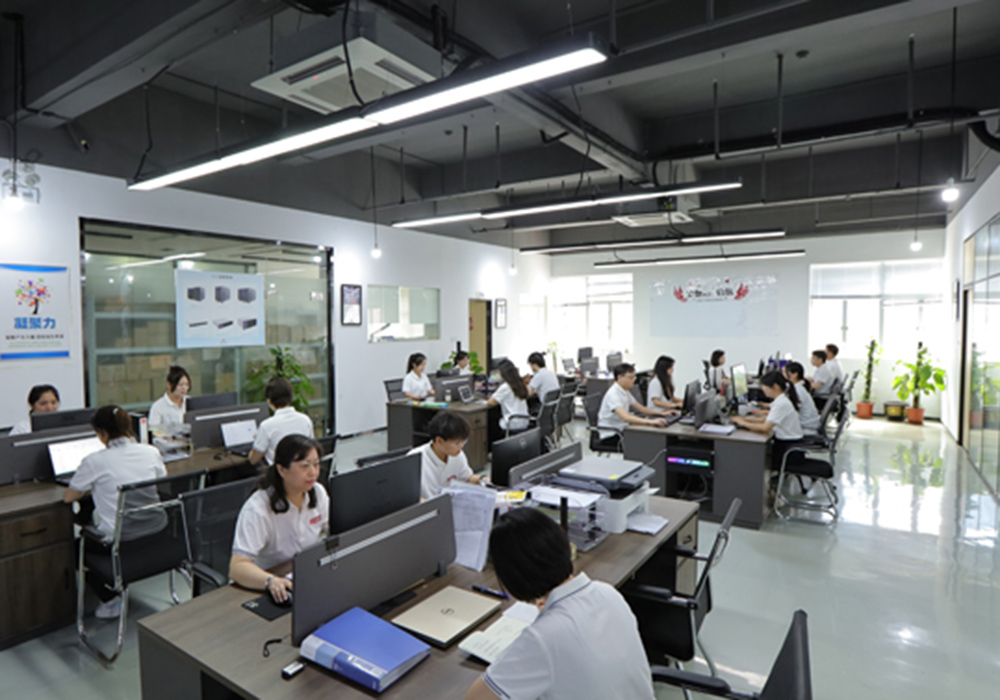
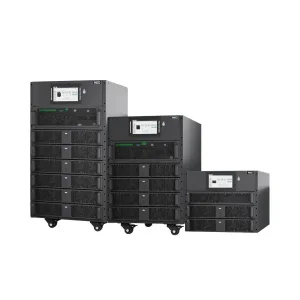
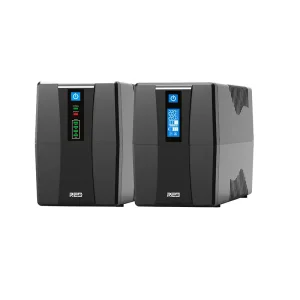
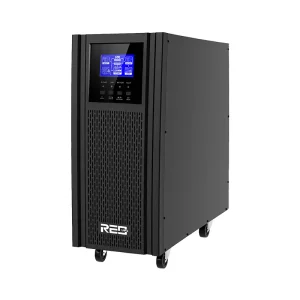
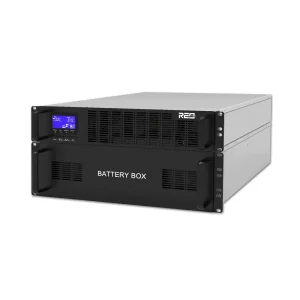
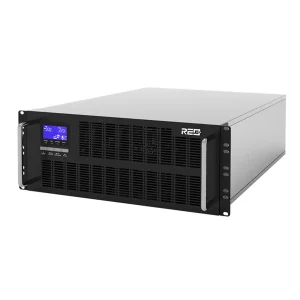
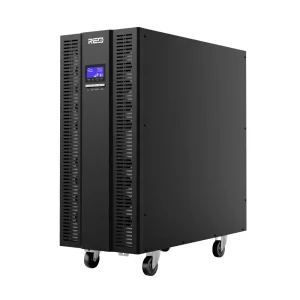
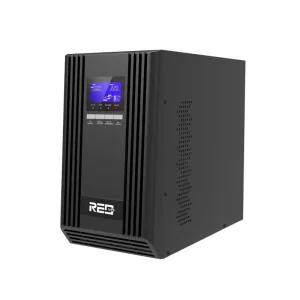
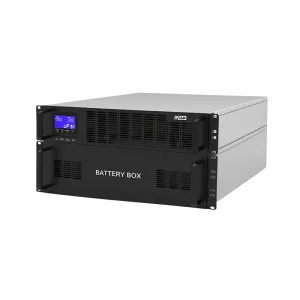
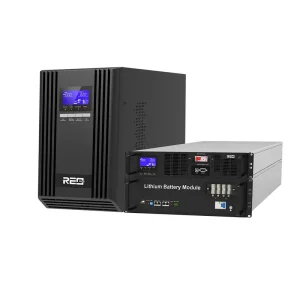
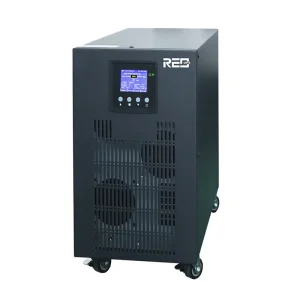
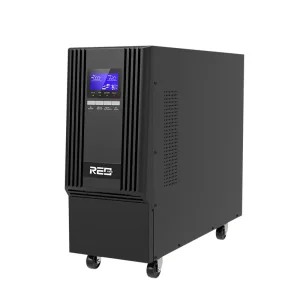
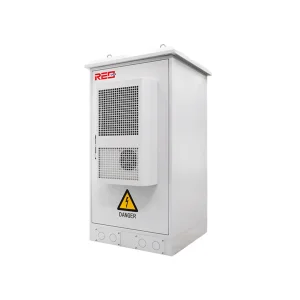
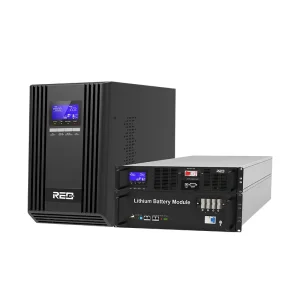
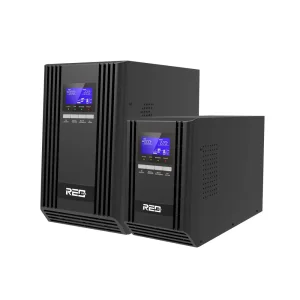
As a premier power solution provider based in Shenzhen, China, REO Power focuses on research and development, manufacturing, and global deployment of advanced UPS systems. Our product portfolio spans single-phase UPS, split-phase UPS (220V input / 110V+110V output), heavy-duty three-phase systems, lithium-ion battery integrations, modular hot-swappable architectures, rugged outdoor UPS, and integrated solar power solutions. We serve clients across more than 100 countries, delivering highly reliable marine, industrial, and medical systems.


China stands as the global hub for power electronics manufacturing, offering an unparalleled ecosystem that integrates raw materials, component suppliers, logic-board PCB design, and high-volume assembly lines. Shenzhen REO Power leverages this dynamic industrial matrix to deliver high-quality UPS systems with exceptional lead times and cost efficiency.
Our facility utilizes state-of-the-art diagnostic and assembly equipment, including automated optical inspection (AOI), in-circuit testing (ICT), functional circuit testing (FCT), and advanced ATE double testing systems. These integrated systems verify hardware integrity post-assembly and again following the burn-in cycles.
Every unit produced undergoes 100% full-load thermal burn-in testing for a minimum of 8 continuous hours. Certified under ISO 9001 and compliant with international directives (such as CE, EN/IEC 62040, and RoHS), our processes ensure consistently low field defect rates.
Operating two specialized production bases with 10 active manufacturing lines, REO Power achieves a monthly capacity of approximately 80,000 units. This scalable infrastructure permits flexible order scheduling and supports a 96% on-time delivery rate.
A marine vessel or offshore platform operates as an isolated, self-contained community. Any fault in the primary power generation system can compromise safety. High-performance UPS systems are critical across a range of specialized shipboard operations:
Electronic Chart Display and Information Systems (ECDIS), marine radars, GPS receivers, and sonar arrays must remain continuously powered to prevent collision hazards. Our high-frequency, low-harmonic UPS units supply stable voltage to protect these critical navigation devices from generator switching anomalies.
Distributed Control Systems (DCS), PLC cabinets, and gas turbine starters require constant power control. Industrial online modular systems guarantee seamless failover to battery storage if the ship's main diesel generators drop excitation.
Operating in hazardous environments prone to explosive gases, offshore drilling platforms utilize specialized explosion-proof, IP-rated outdoor online UPS units. These systems maintain critical shutdown controls, emergency lighting, and alarm systems during structural failures or heavy storms.
The marine sector is experiencing a significant shift toward digitalization, carbon reduction, and weight optimization. In response, power protection equipment must evolve to meet these demands through several key industry trends:
1. Transition to Lithium-Ion (LiFePO4) Battery Systems: Traditional lead-acid batteries are increasingly replaced by Lithium Iron Phosphate (LFP) alternatives. LFP chemistry offers higher power densities, reduced weight (up to a 60% reduction), longer cycle life (exceeding 3,000 charge-discharge cycles), and superior thermal stability. Modern lithium-ion UPS systems incorporate advanced Battery Management Systems (BMS) that interface directly with the ship's energy management networks.
2. Modular Hot-Swappable Architectures: Minimizing mean time to repair (MTTR) is essential at sea, where external service teams are unavailable. Modular designs allow shipboard technicians to swap out power modules without shutting down the system, maintaining continuous protection for critical loads.
3. Advanced Network Connectivity and Predictive Diagnostics: Modern marine UPS systems integrate SNMP, Modbus TCP/IP, and dry contacts, allowing operators to monitor battery health, thermal status, and internal components remotely. This enable predictive maintenance, preventing power failures before they occur.
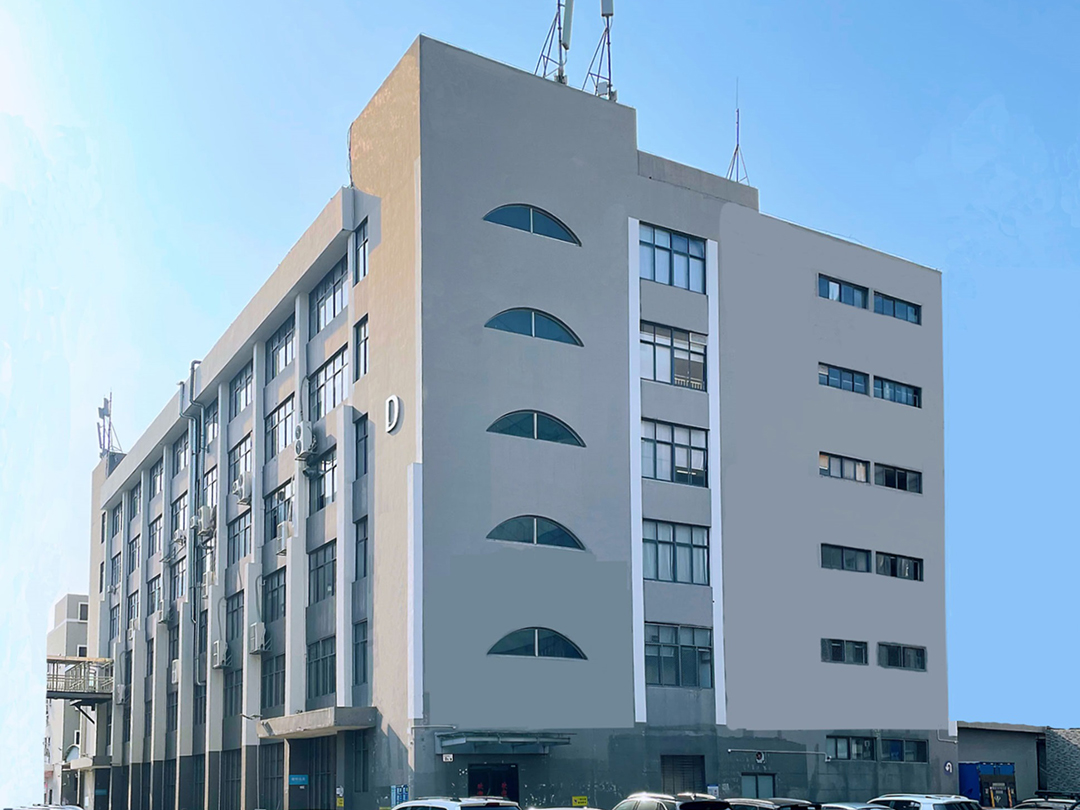
Led by our Chief Technology Officer with over 20 years of research and engineering experience in power electronics, REO Power specializes in tailoring UPS systems to meet complex project demands and unique geographic grid regulations.
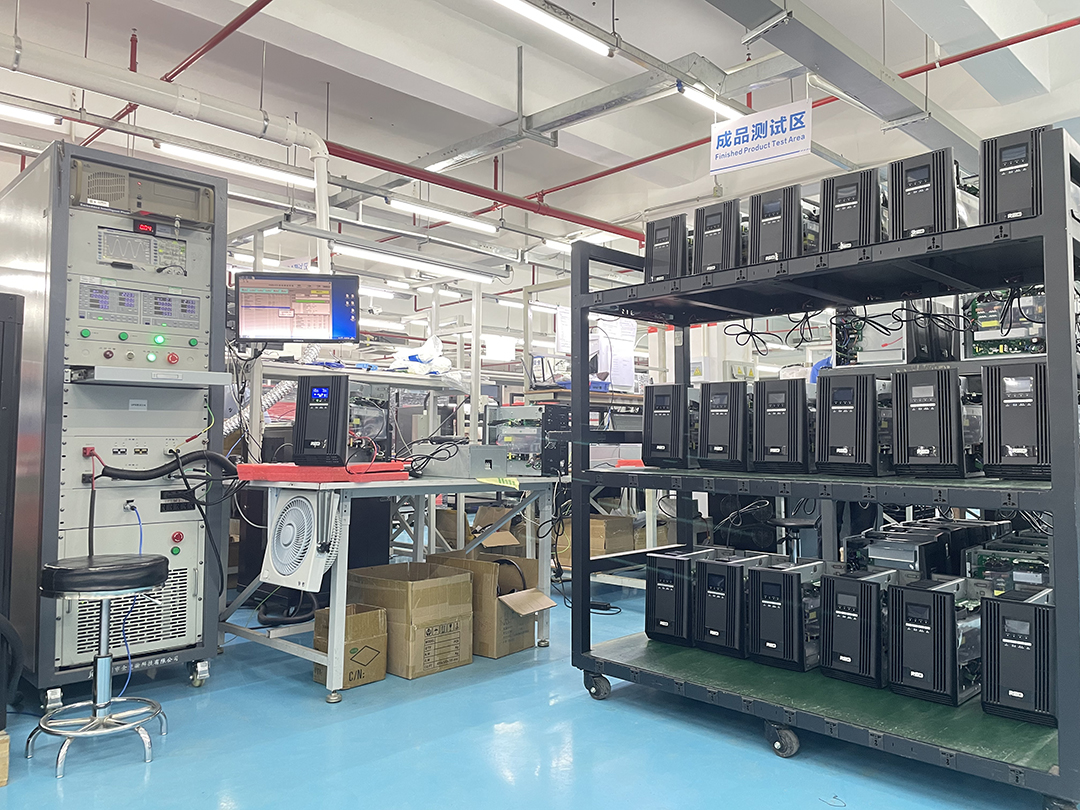
To maintain operational reliability under maritime conditions, REO Power enforces strict testing protocols throughout our manufacturing process. We ensure high product consistency by combining automation with skilled manual review.
Every PCB assembly undergoes Automated Optical Inspection (AOI) to detect component alignment errors, soldering faults, and potential bridging, ensuring structural integrity before final assembly.
Prototype designs are subjected to simulated operational stress within specialized chambers, testing performance across extreme temperature cycles, high humidity, and physical vibration.
All production units undergo automated ATE electrical performance checks at two stages: immediately after final assembly and again following the 8-hour thermal burn-in cycle.
Find expert answers to common questions regarding classification compliance, battery chemistries, and custom configurations.
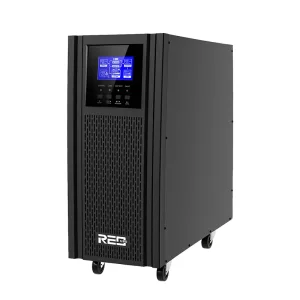
 REO UPS