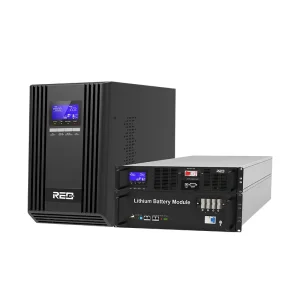
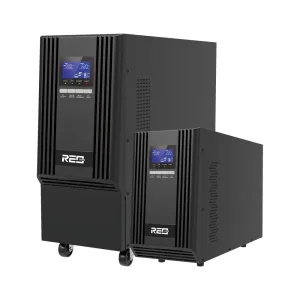
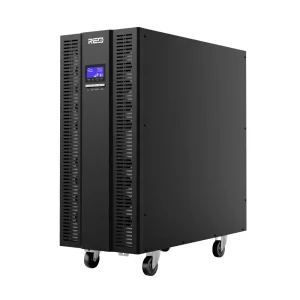
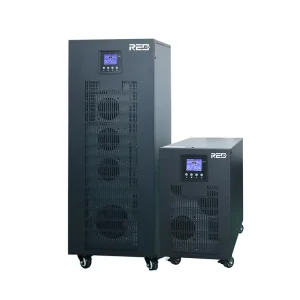
Explore our premium range of double-conversion online UPS modules tailored for heavy-duty industrial automation, data center scaling, and sensitive laboratory applications.
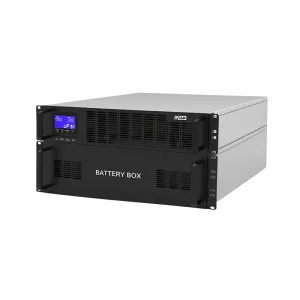
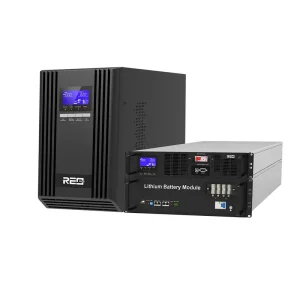
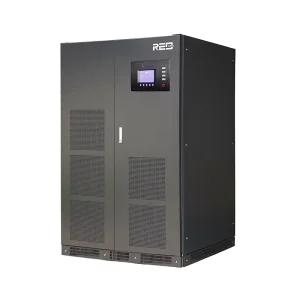
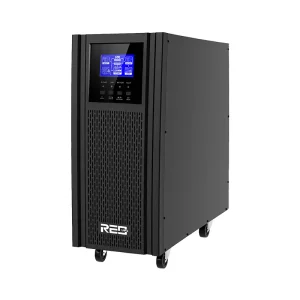
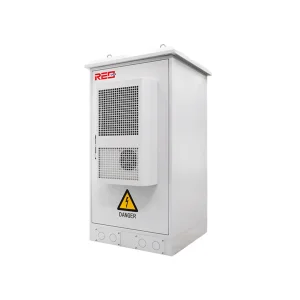
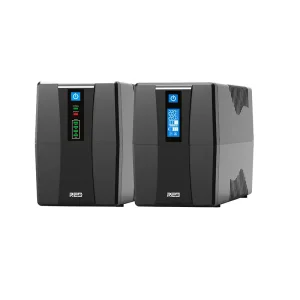
As a prominent UPS manufacturer based in Shenzhen, China, we specialize in high-efficiency power protection engineering. Our core competencies encompass single-phase double-conversion online UPS units, specialized split-phase systems (220V input configured for balanced 110V+110V output), high-capacity industrial 3-phase modules, lithium-ion storage integration, scalable modular systems, resilient IP-rated outdoor configurations, offline standby units, smart solar inverters, and high-density lead-acid and lithium battery arrays.
With extensive R&D experience, we configure custom systems for over 100 countries. Our expert engineering team coordinates hardware revisions, custom firmware programming, and localized certification testing to align with global environmental mandates and energy grid requirements.
Contact System Engineers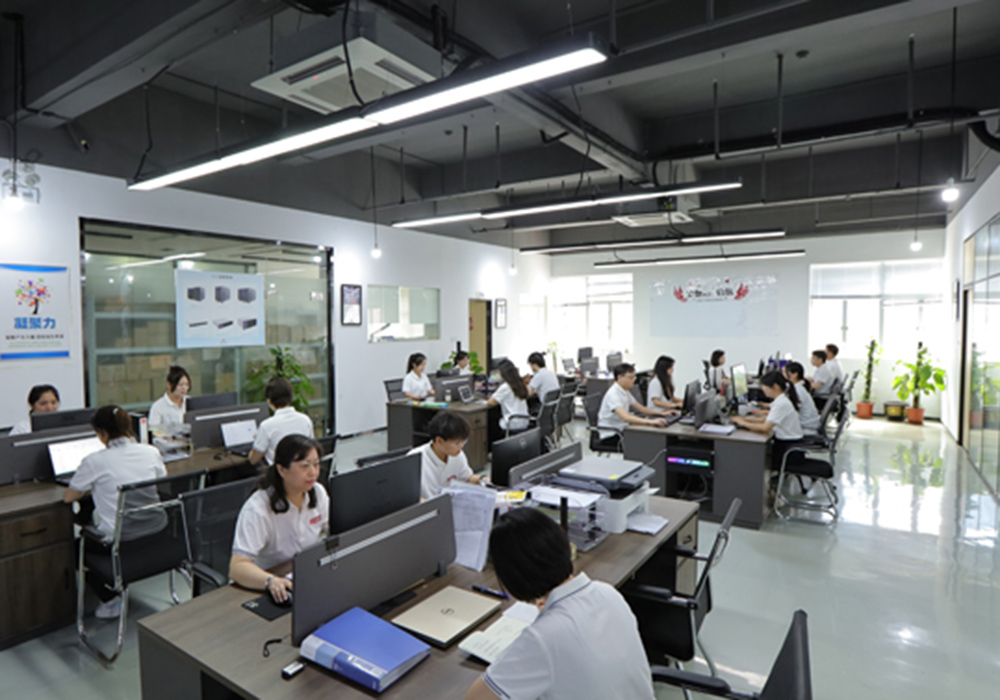
Understanding the micro-grid vulnerabilities and technological transformations shaping power distribution in financial institutions and manufacturing facilities.
Modern banking ecosystems and industrial facilities rely on consistent electrical power. The digitization of services, high-frequency trading platforms, and automated robotic systems mean that even a microsecond voltage drop can lead to data loss or production downtime. Industry standards require clean power delivery through double-conversion online topologies that isolate sensitive loads from grid anomalies.
Lithium Iron Phosphate (LiFePO4) chemistry is replacing traditional Valve-Regulated Lead-Acid (VRLA) batteries. LiFePO4 cells support higher cycle lives (up to 4,000 charge cycles at 80% Depth of Discharge), reducing operational costs. Our integration provides safety monitoring via built-in Battery Management Systems (BMS).
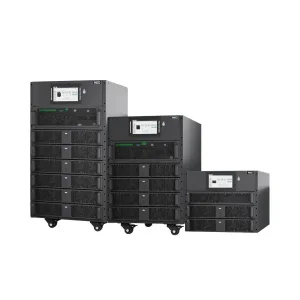
Modular UPS topologies allow operators to scale power capacity dynamically. By adding or swapping power modules without shutting down the system (N+X redundancy), operators minimize Mean Time to Repair (MTTR) and avoid system downtime during maintenance.
Distributed edge networks require compact, high-efficiency backup power. Modern rack-mounted UPS systems (1kVA to 10kVA) feature advanced communication interfaces (SNMP, Modbus) for remote monitoring, enabling automated diagnostics across distributed sites.
How specialized UPS architectures are implemented across different operating environments globally to meet safety standards and grid configurations.
Banking terminals operate in varying power conditions, from high-temperature outdoor enclosures to areas with unstable power grids. Compact offline and line-interactive UPS units with wide input voltage windows (e.g., 90V to 300V) prevent voltage fluctuations from causing transaction errors or system crashes.
Manufacturing lines require robust power back-up systems. High-frequency electrical noise, dust, and vibration are common. Industrial low-frequency UPS units utilize galvanic isolation transformers to protect sensitive control electronics, such as PLCs and variable frequency drives, from voltage spikes and harmonics.
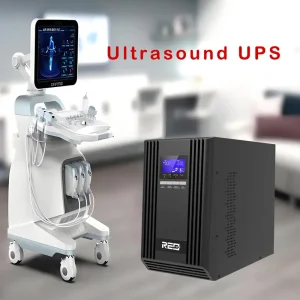
Medical equipment, such as ultrasound scanners and MRI units, requires precise voltage regulation. Specialized UPS systems prevent distortion in sensitive analog signals, while compliance with medical safety standards ensures protection for both patients and diagnostic equipment.
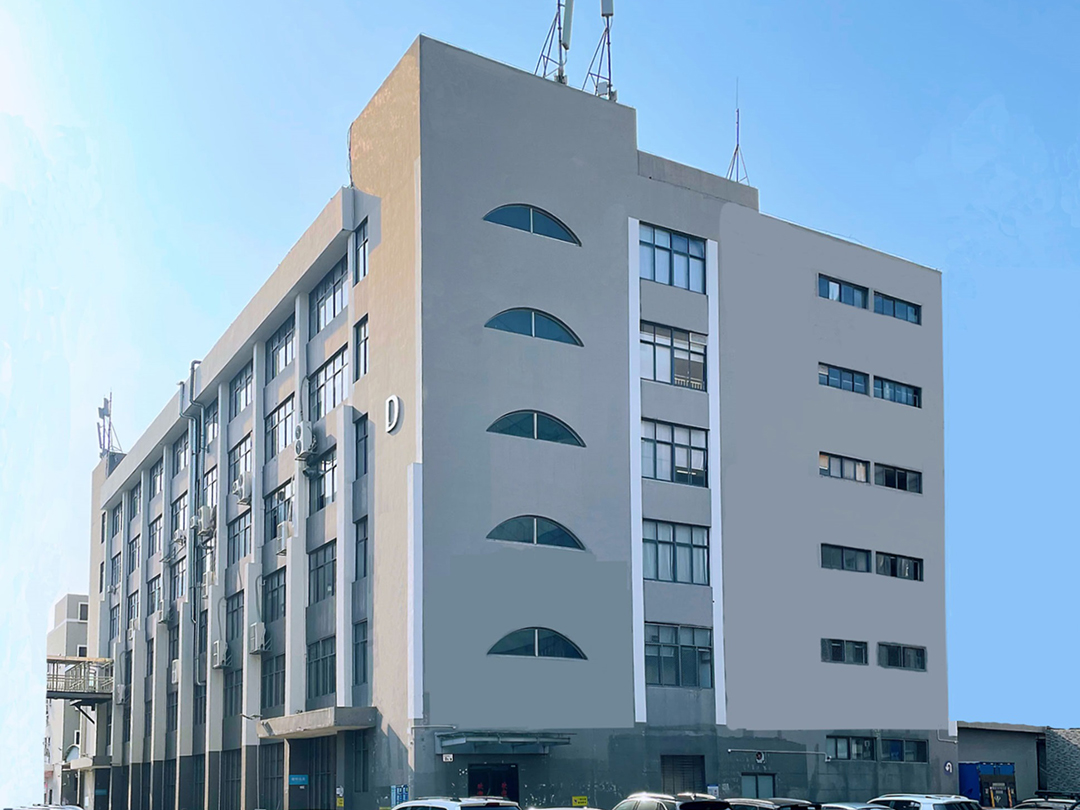
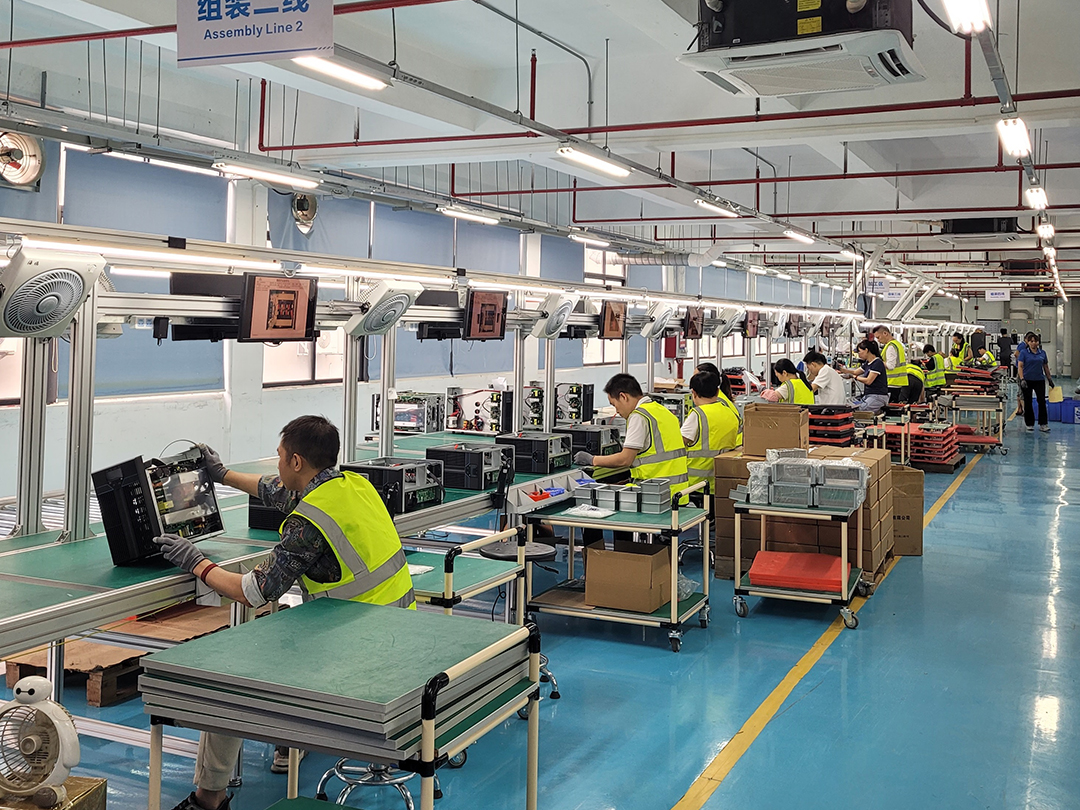
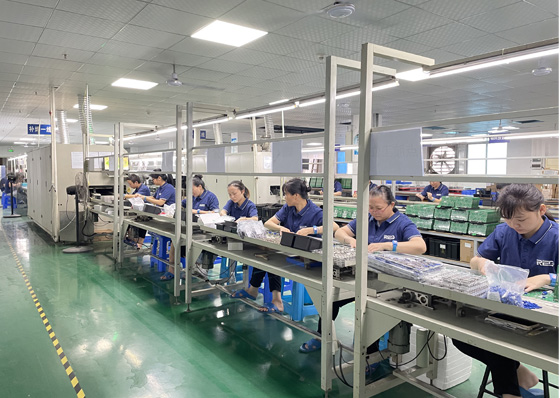
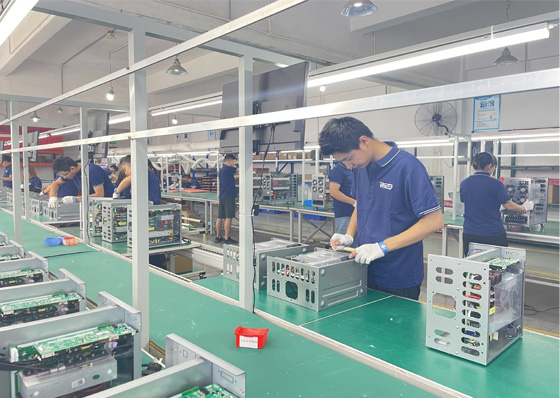
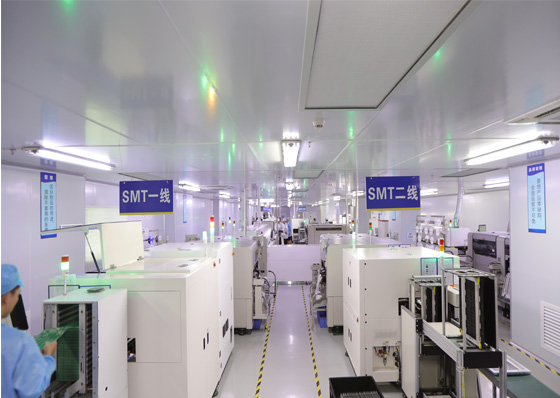
Inside our two advanced production bases, utilizing automated assembly lines and diagnostics to guarantee zero-defect production.
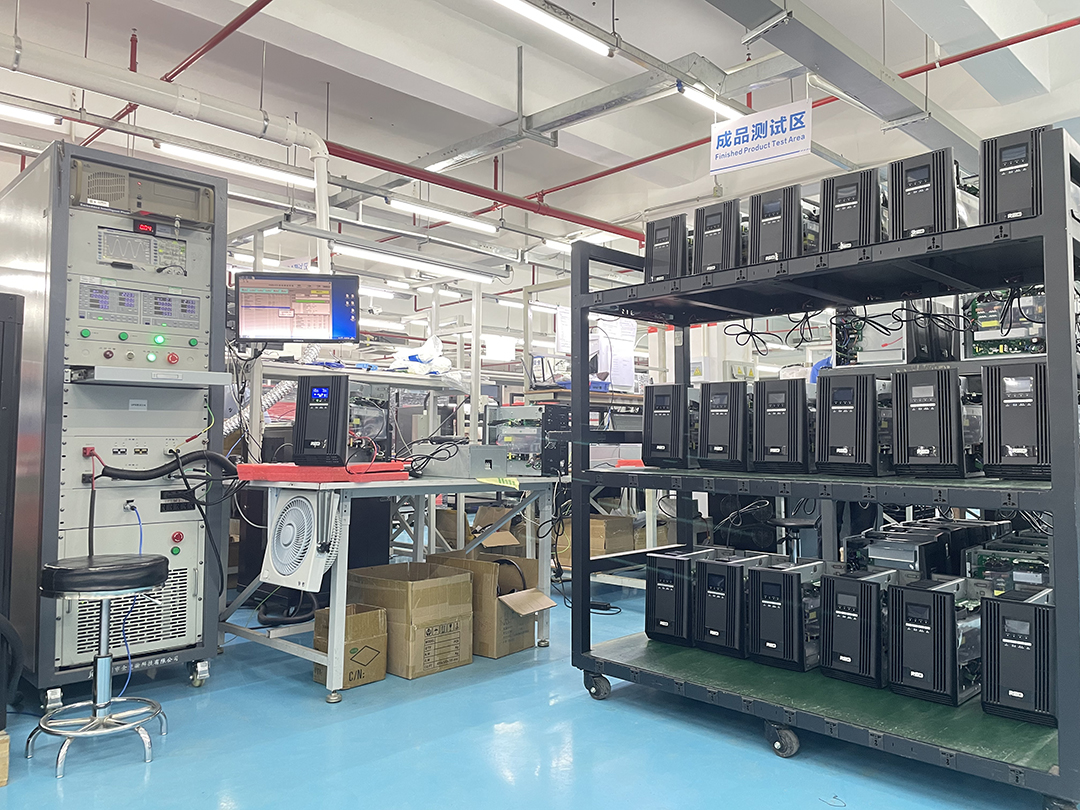
We maintain production standards through continuous investment in automated assembly systems. Our facilities are equipped with Automated Optical Inspection (AOI), In-Circuit Testing (ICT), Functional Circuit Testing (FCT), and Automatic Test Equipment (ATE) arrays to verify all electronic sub-assemblies before final integration.
All completed UPS units undergo a mandatory 8-hour burn-in and thermal stress test at full load. Combined with post-assembly electrical parameters testing, this process validates performance under high temperature and fluctuating loads, minimizing early component failure in the field.
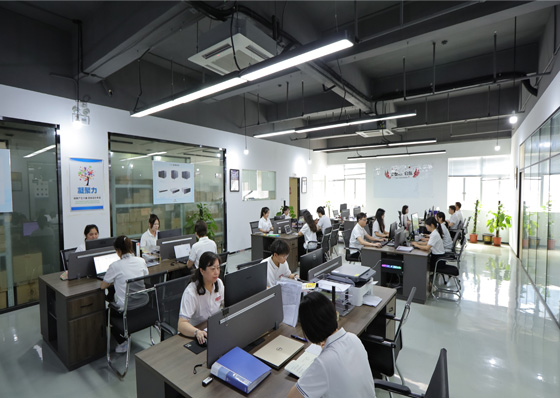
Collaborative engineering services tailored to your technical requirements, from mechanical design to custom firmware.
Led by our CTO with 20+ years of power electronics R&D experience, our engineering department collaborates with clients to design power systems that meet local market regulations and application requirements.
Key areas of focus for our research team as we develop high-efficiency power protection solutions.
Integrating Silicon Carbide (SiC) MOSFETs into double-conversion inverter stages. These devices enable faster switching frequencies, reducing power loss, reducing the size of magnetic components, and increasing total conversion efficiency up to 97.5% in double-conversion mode.
Developing bidirectional rectifier/inverter stages that allow the UPS to participate in peak shaving and frequency response. This permits the UPS battery system to feed energy back to the micro-grid during periods of peak demand, generating revenue for operators.
Integrating cloud-based monitoring units with local microcontrollers to log operating parameters (temperatures, ripple currents, battery internal resistance). Machine learning algorithms analyze this data to predict component failure (fans, capacitors, battery cells) before it leads to system downtime.
Custom solutions designed for critical applications requiring high reliability and performance.
Providing backup power for central data hubs, distributed branch servers, and ATM networks. Our solutions include remote monitoring capabilities to manage power systems across multiple branches, reducing onsite maintenance requirements.
High-capacity three-phase online UPS systems designed to handle the variable loads of manufacturing equipment. Features include isolation transformers and high short-circuit tolerance to protect automated machinery from voltage dips.
UPS configurations compliant with hospital safety standards. These systems provide clean, continuous power to critical equipment such as MRI scanners, ultrasound systems, and surgical monitors, preventing power fluctuations from affecting diagnostics.
Answers to common questions regarding our OEM/ODM manufacturing processes, certifications, and product configurations.
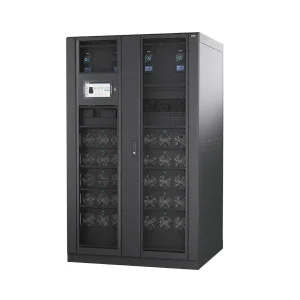
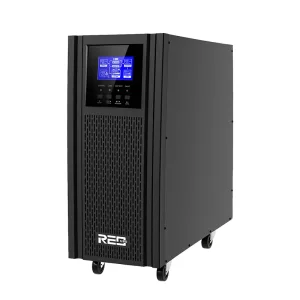
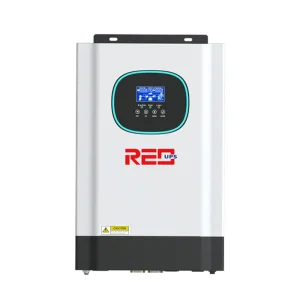
Explore our specialized three-phase, transformerless, and modular online UPS systems designed to support high-availability operations.
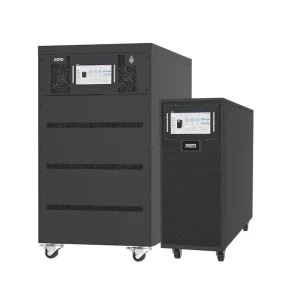
 REO UPS