Explore our core product lineup featuring advanced online UPS topologies, medical systems, and hybrid solar power inverters, built to ensure global operational resilience.
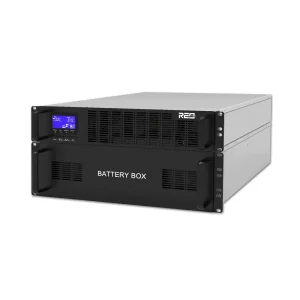
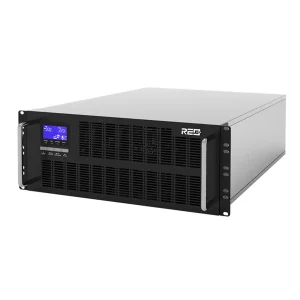
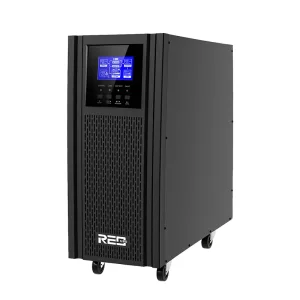
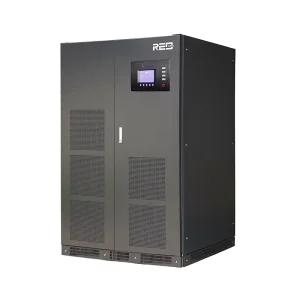
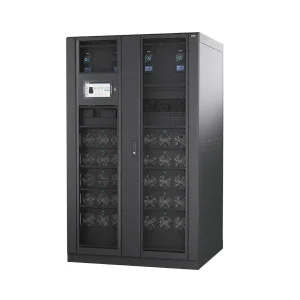
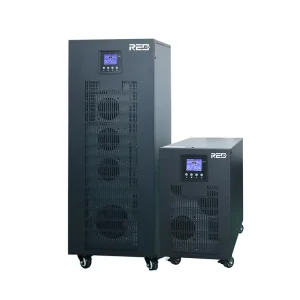
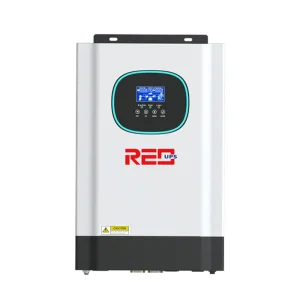
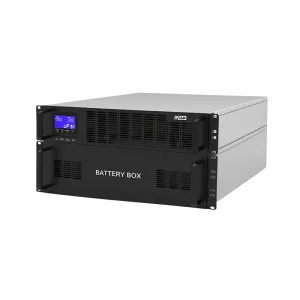
In distributed energy architectures, the 2 Kva power rating serves as a vital bridge. It provides sufficient utility capacity to sustain critical communication networks, medical refrigeration, localized remote networks, and modular residential grids, while remaining compact and cost-effective. As energy requirements shift toward decentralization, this power capacity offers an optimal balance between structural size, electrical load capacity, and battery system integration.
For B2B procurement partners, scaling a robust off-grid or hybrid energy brand demands an inverter platform that performs consistently under diverse environmental conditions. A high-quality 2 Kva solar inverter operates as more than just a converter; it serves as a smart energy manager that integrates solar PV generation, energy storage battery banks, and utility power inputs. This integration delivers stable, low-harmonic power output regardless of grid fluctuations.
Choosing the appropriate electronic topology is essential to aligning your product performance with regional application requirements.
Utilizes digital switching stages to step up DC voltage, eliminating the need for heavy iron-core transformers. Offers peak efficiencies up to 96%, lightweight chassis options, and lower initial manufacturing costs. Ideal for modern residential power backups and high-efficiency commercial office systems.
Features a copper toroidal transformer that provides continuous isolation between DC source and AC load. Delivers up to 300% surge capacity for inductive loads, including air conditioners, medical pumps, and compressor motors. Essential for highly demanding environments with unstable grid conditions.
Delivers a clean electrical wave with Total Harmonic Distortion (THD) under 3%. This consistent wave prevents overheating in inductive loads and reduces electromagnetic interference in sensitive diagnostic, telecommunication, and clinical systems.
| Performance Specification | High-Frequency 2 Kva Inverter Platform | Low-Frequency (Transformer-Based) 2 Kva Platform |
|---|---|---|
| Surge Capacity (Overload Duration) | 150% for 10 seconds; 200% for 1 second | 300% for up to 20 seconds (highly resilient to motor starting currents) |
| Peak Power Conversion Efficiency | >94% (reduced power loss at nominal loads) | 88% - 92% (due to copper winding and core losses) |
| Galvanic Electrical Isolation | Electronic isolation via high-speed switches | Physical isolation via dual-winding toroidal transformers |
| Enclosure Dimensions & Net Weight | Compact, highly optimized, approx. 6 - 8 kg | Robust, heavy construction, approx. 14 - 18 kg |
| Common Global Applications | Residential PV arrays, light offices, ICT terminals | Submersible pumps, refrigeration units, remote medical sites |
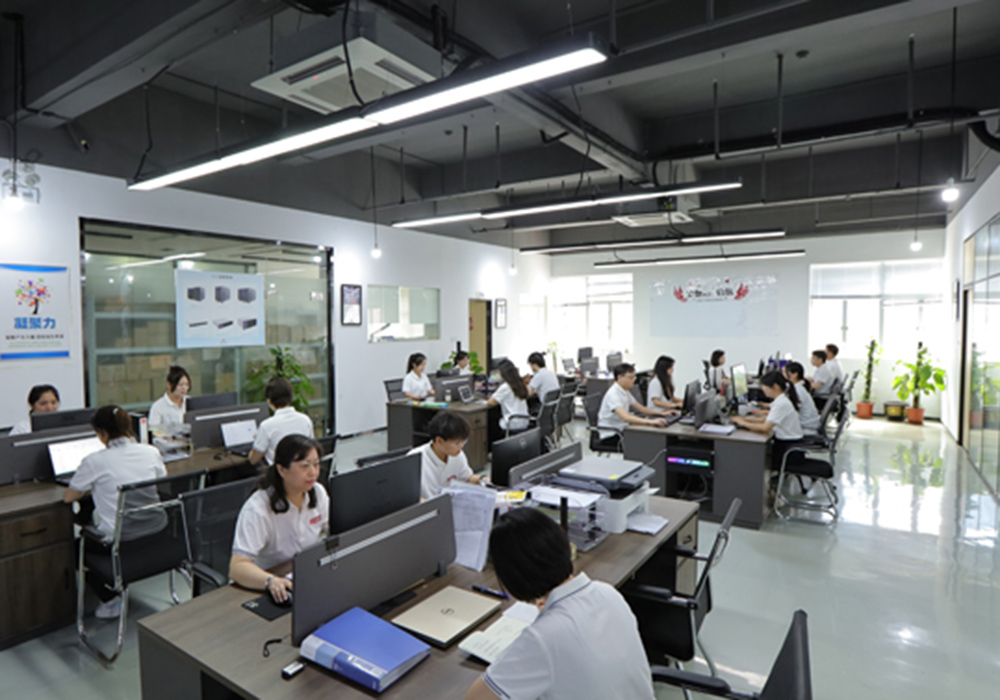
Founded in 2015 and based in Shenzhen, China, Shenzhen REO Power Co., Ltd. has established itself as an industry leader in manufacturing high-efficiency UPS and solar inverter technology. We produce split-phase UPS units, medical-grade online UPS systems, off-grid and hybrid solar inverters, lithium battery backups, and advanced solar accessories. Over the past decade, we have partnered with engineering and distribution clients in more than 100 countries, delivering robust power equipment built to handle demanding industrial and commercial requirements.
Our focus on technical excellence and engineering flexibility defines our business model. Led by a CTO with over 20 years of research and development experience, our team approaches B2B projects as collaborative partnerships. Rather than simply supplying standard units, we work alongside clients to tailor hardware topologies and customize firmware, giving our partners a distinct advantage in their target markets.
We turn your custom functional specifications and brand requirements into market-ready, certified electrical equipment.
Our engineering team handles complex electrical modifications, custom topologies, and software enhancements to match your local market conditions:
Optimize your current product lines with our scalable manufacturing capacity, packaging solutions, and local certification support:
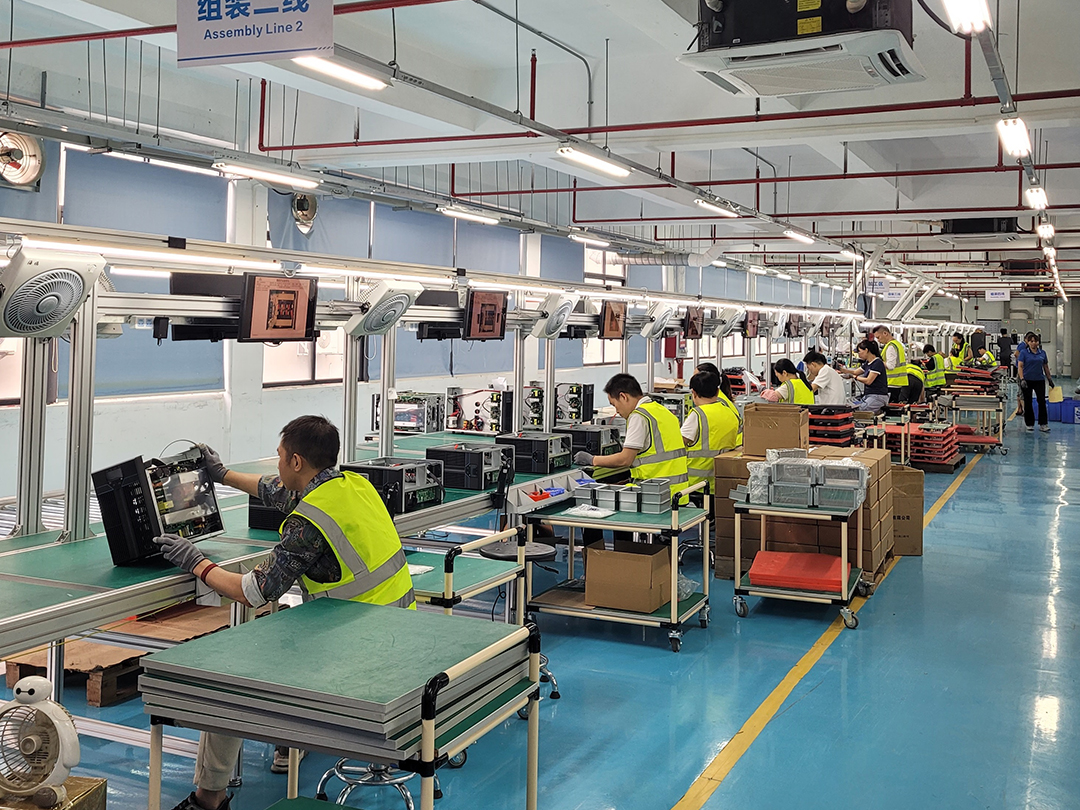
Shenzhen REO Power operates two production facilities spanning 13,500 square meters, running 10 active assembly lines. This infrastructure delivers a stable production capacity of 80,000 units per month, ensuring reliable lead times even during seasonal demand peaks. Located in the Shenzhen electronics cluster, we maintain direct access to certified component suppliers, high-grade silicon semiconductors, and copper winding facilities. This proximity streamlines component sourcing and keeps our production lines moving efficiently.
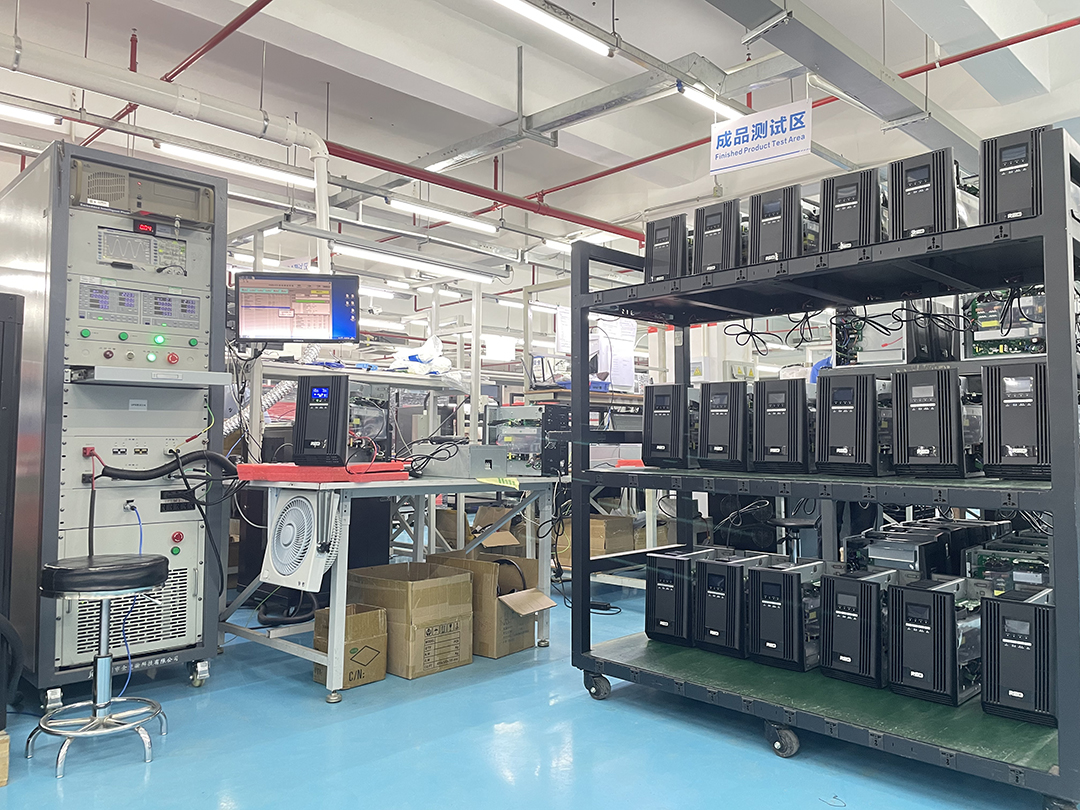
Our quality assurance system relies on advanced automated testing equipment at every production stage. We utilize Automated Optical Inspection (AOI) to verify component placement, along with In-Circuit Testing (ICT) and Functional Circuit Testing (FCT) to confirm electrical path performance. Every inverter undergoes a full 8-hour thermal burn-in test at maximum capacity. We perform Automatic Test Equipment (ATE) validation twice: once immediately after final assembly and again after the thermal burn-in. This double testing process ensures that every unit we ship meets performance standards and operates reliably out of the box.
Our 2 Kva solar inverters are deployed globally across diverse industries to protect operations from utility power instability.
Provides continuous, filtered pure sine wave power to remote mobile base stations, satellite terminals, and edge radio nodes. Features integrated communication interfaces that allow remote network administrators to monitor real-time battery status and charging metrics via centralized networks.
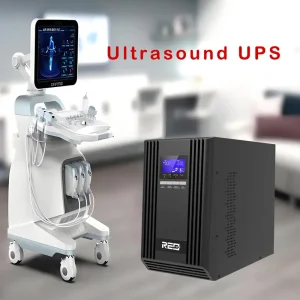
Ensures consistent, uninterruptible power for refrigeration equipment storing critical vaccines, insulin, and blood supplies in remote clinics. Helps maintain strict temperature controls even during extended utility grid failures.
Delivers the high start-up currents required by inductive pump motors and motorized gates in agricultural irrigation systems. Protects solar arrays and sensitive automation controllers from electrical back-EMF and voltage spikes.
Our product roadmap focuses on improving power density and energy conversion efficiency. We are integrating Silicon Carbide (SiC) and Gallium Nitride (GaN) power MOSFETs into our inverter topologies. These wide-bandgap semiconductors reduce switching losses, lower heat generation, and allow for smaller magnetic components. This transition yields lighter, more compact 2 Kva chassis configurations that deliver higher thermal performance, particularly in hot climates.
We are also enhancing the software capabilities of our systems. Future updates will include AI-optimized Maximum Power Point Tracking (MPPT) algorithms that adjust dynamic tracking speeds during rapid cloud transitions, recovering lost PV energy. We are expanding our IoT edge communication modules to support direct LTE, Wi-Fi, and Bluetooth configurations. This connectivity allows commercial operators and B2B distributors to perform OTA firmware updates and access battery state-of-charge predictions via mobile apps and cloud systems.
We help our B2B partners clear regulatory hurdles by building products to meet regional grid safety and performance requirements.
Our inverters are designed to meet standard European EN/IEC 62040 and IEC 62109 safety requirements. They undergo testing for anti-islanding protection, electromagnetic interference (EMI), and ground fault safety to ensure smooth customs clearance and utility grid approval.
We work with global freight forwarders to optimize pallet utilization, reducing shipping costs per unit. Our shipping documentation includes clear HS classification, country-of-origin certificates, and clean battery test sheets to prevent shipping delays.
Our technical team communicates clearly in English, providing direct assistance during product integration. We supply diagnostic tools, spare parts kits, and firmware updates to support your localized customer service teams.
Common questions from global engineering, procurement, and supply chain partners.
Our 2 Kva high-frequency transformerless inverters sustain a 150% overload for 10 seconds and 200% for 1 second. For heavier inductive loads, our low-frequency transformer-based 2 Kva platforms deliver up to 300% surge capacity (6000VA peak output) for up to 20 seconds, protecting the unit against high startup currents from pumps and compressor motors.
Yes. Through our ODM services, we modify charge voltages, cut-off values, and bulk charging profiles to align with your battery management system (BMS). We support communication protocols such as RS485, CANBUS, and Modbus RTU to enable real-time telemetry exchange between the battery pack and the inverter.
Our QA pipeline includes Automated Optical Inspection (AOI), In-Circuit Testing (ICT), and Functional Testing (FCT). Additionally, 100% of manufactured units run through an 8-hour active thermal burn-in chamber under full load. Automated Test Equipment (ATE) validation is performed twice (post-assembly and post-burn-in) to ensure compliance with our performance standards.
Standard product orders feature flexible MOQs. For custom OEM branding (enclosure colors, custom branding, and custom packaging), the initial MOQ is generally 100 units. Lead times for standard configurations range from 20 to 25 days, while customized ODM designs take 35 to 45 days, depending on hardware revisions and prototype validations.
We apply conformal coating to our internal PCBs to protect components from moisture, salt mist, and dust accumulation. The internal cooling fans are controlled based on system temperature, adjusting speeds to regulate thermal conditions. The system features thermal de-rating protection, allowing it to operate at temperatures up to 50°C before scaling back output power to prevent damage.
Connect with our technical engineering sales division to discuss custom hardware topologies, requesting product evaluation samples, or ordering tailored OEM batch runs.
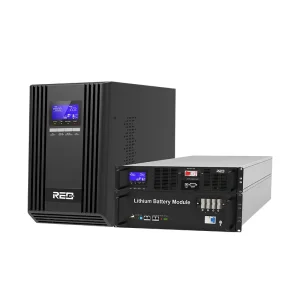
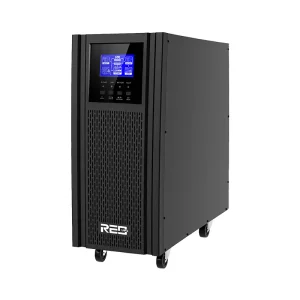
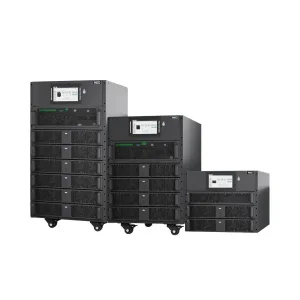
Contact Our Engineering TeamExplore our technical catalog of transformer-isolated online UPS systems, rack cabinets, and lithium storage solutions built for critical commercial infrastructure.
 REO UPS