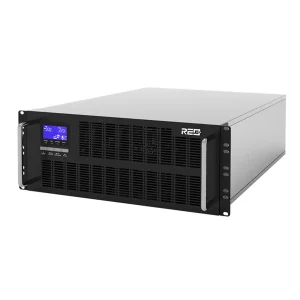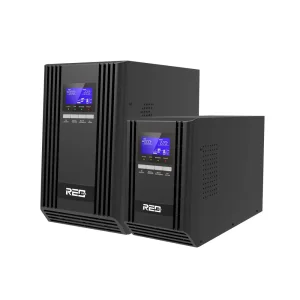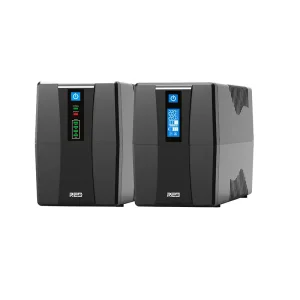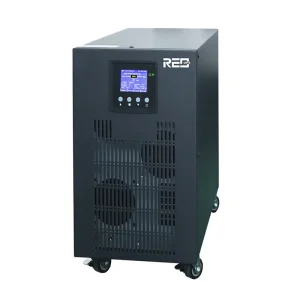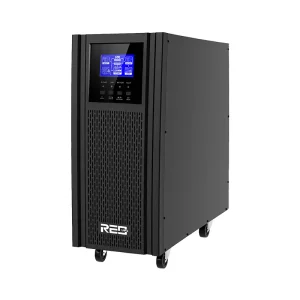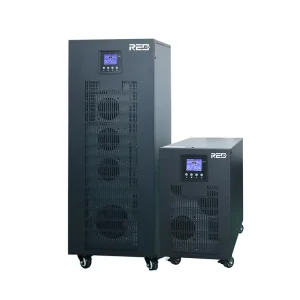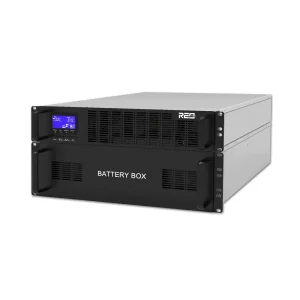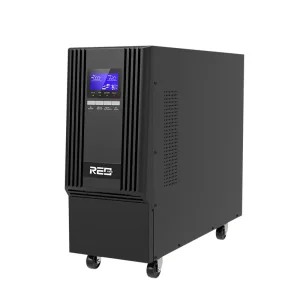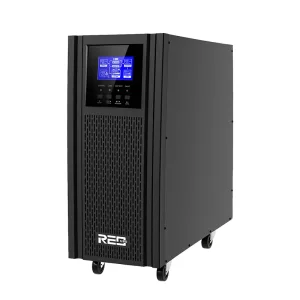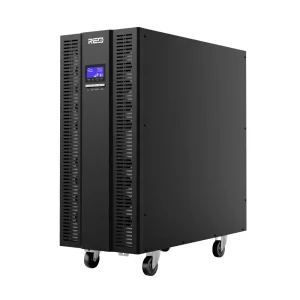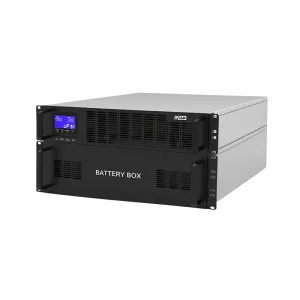
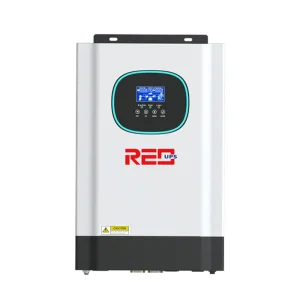
Solar Inverter Factory & Factories for Detroit

High-Capacity Industrial Power Systems & Resilient Grid Solutions Custom Engineered for the Great Lakes Climate

FEATURED SPECIFICATIONS

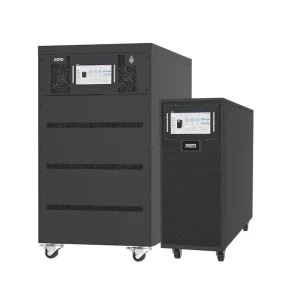
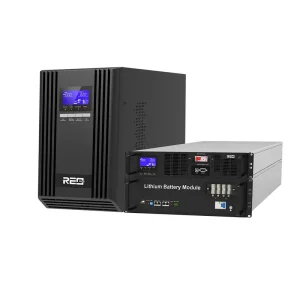
High-Efficiency Solar Inverters & Grid-Tied Systems for Detroit

Direct from our manufacturing base, these high-reliability solutions are customized to meet Michigan’s strict energy regulations, sub-zero winter reliability benchmarks, and advanced utility compliance protocols.

WHITE PAPER EXCERPT

The Energy Transition in Detroit: Microgrids, Severe Climates, & Smart Infrastructure

Detroit, Michigan, is rapidly transforming from a classical industrial manufacturing powerhouse into a center for smart mobility, electric vehicle (EV) supply chain hubs, and resilient urban microgrids. This clean energy transition demands robust solar inverter technology that can withstand the unique challenges of the Great Lakes climate. With heavy winters, high snowfall, and vast thermal changes, the efficiency and physical reliability of outdoor solar power components are tested under extreme conditions.

Automotive plants, logistics centers, and supporting heavy industries in the Detroit Metro area are increasingly integrating solar-plus-storage assets. These setups rely heavily on industrial-grade off-grid and hybrid solar inverters to manage peaks in electricity rates and guarantee uninterrupted operations during grid instability. As the local utility, DTE Energy, upgrades the grid infrastructure, local enterprises require inverters that meet strict IEEE 1547 standards and provide rapid shut-off, power factor correction, and split-phase outputs.

Demanding Applications for Automotive Manufacturing & Logistics Hubs

The manufacturing processes of heavy automobile components require absolute voltage stability. A split-second micro-sag in supply voltage can result in millions of dollars in losses due to interrupted robotic welds, defective carbon cures, and system-wide restarts. Industrial facilities are integrating solar arrays with battery energy storage systems (BESS). The inverter functions as the brain of these microgrids, translating solar energy into clean AC power while collaborating with high-capacity Online UPS systems.

Furthermore, our specialized transformerless high-frequency UPS units and off-grid solar inverters provide precise, pure sine wave power. By optimizing the integration of renewable energy, Detroit factories reduce their scope-2 carbon footprint while building a protective barrier around critical machinery.
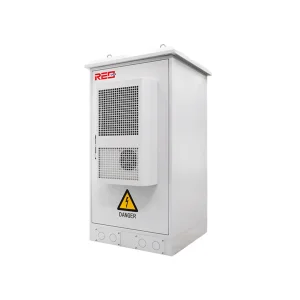
Detroit Environmental Requirements

  • Operating temp: -40°C to +60°C
  • NEMA 3R / IP65 Waterproofing
  • IEEE 1547 & UL 1741 Compliance
  • Split-phase output (110V/220V)
  • Smart Grid telemetry support

REO Power Global Footprint & Factory Infrastructure

Delivering engineering excellence from our automated production facilities directly to commercial buyers and installers in Detroit and around the globe.

2015
Year Established
13,500 ㎡
Production Area
80,000+
Monthly Units Built
100+
Countries Served

Global Procurement Dynamics & China's Production Advantages

Understanding the relationship between global logistics hub efficiency, localized assembly demands, and Chinese production scalability is vital for large-scale solar deployment in industrial markets like Michigan.

Detroit Local Integration & Compliance

Local sourcing involves configuring, testing, and housing equipment in compliance with domestic electrical standards, state codes, and local utility regulations. This ensures short-term local support but struggles to scale to meet high manufacturing capacity demands and competitive cost frameworks.

  • Custom integration with local utilities (e.g., DTE Energy)
  • Compliance with localized NEC (National Electrical Code)
  • On-site engineering, commissioning, and system maintenance

China Factory Efficiency & Supply Chain Integration

By leveraging Shenzhen's advanced electronics and semiconductor component ecosystem, REO Power delivers unmatched scale, cost efficiency, and design flexibility. From component sourcing to automated wave soldering and assembly, the entire production loop is highly optimized.

  • Direct component access: High-grade IGBTs, capacitors, and microcontrollers
  • Highly automated production featuring AOI, ICT, ATE, and ROHS compliance
  • R&D team led by a CTO with over 20 years of experience in UPS & Inverter development

Strict Quality Control & Testing Protocols

At Shenzhen REO Power Co., Ltd., we combine state-of-the-art intelligent production with strict quality control. Our factory operates 10 active production lines, producing up to 80,000 units monthly to fulfill large-scale global demands.

Unlike standard factories that run sample checks, we implement 100% capacity aging tests on our hardware, keeping all units running under full operational load for at least 8 hours. Our post-assembly and post-burn phases feature ATE double testing to ensure that every inverter and UPS matches the required technical parameters before shipping.

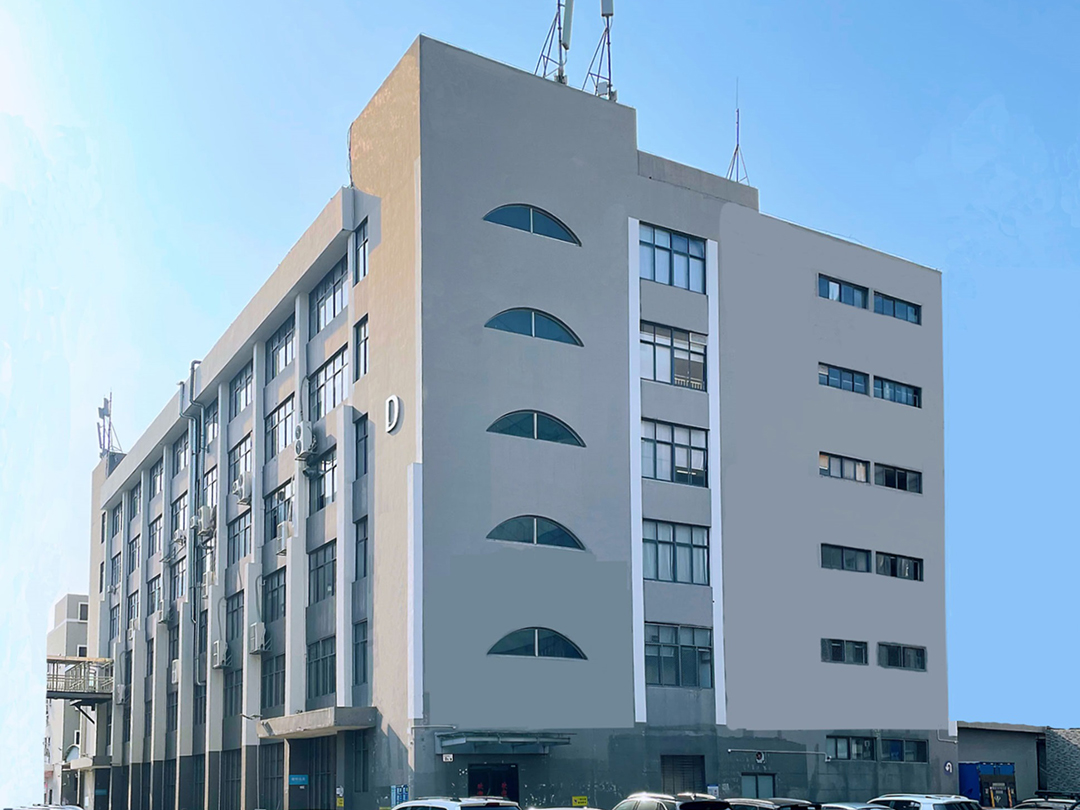
REO Power Factory Quality Inspection Area

Custom OEM/ODM Inverter Engineering & Global Compliance

Different environments demand different technical solutions. Our engineering teams customize hardware and software architectures to match local voltage parameters, safety standards, and performance specifications.

Hardware Customization

We construct inverters with heavy-duty components tailored to unique environments. Custom options include built-in split-phase isolation transformers, enhanced IP65 cooling configurations for dusty industrial environments, and robust mounting racks for high-vibration applications.

Software Adaptation

Our software engineers update inverter firmware to match local grid parameters, configure battery chemistry profiles (such as LiFePO4 or Lead-Acid charges), and implement communication protocols like Modbus TCP/IP, CAN bus, and custom IoT interfaces.

Compliance & Certifications

We manage global and regional standard approvals, including CE, IEC 62040, UL 1741, RoHS, and ISO9001. We ensure that your hardware complies with local electrical inspection parameters to streamline grid integration.

Future Trends: High-Density Lithium Integration & Bi-directional Charging

The energy landscape is transitioning from passive solar power consumption to highly active, intelligent power networks. Inverters are transforming from simple DC-to-AC conversion boxes into smart grid-connected energy management terminals. This transition is characterized by three major trends:

  1. High-Density Lithium-Ion Integration: Standard lead-acid batteries are being replaced by high-density lithium-ion setups (LFP), which require highly accurate voltage tracking and battery management system (BMS) communications. Modern off-grid inverters must work directly with BMS controllers to prevent overcharging under freezing winter temperatures.
  2. Bidirectional Flow and V2G (Vehicle-to-Grid): In areas like Detroit, where electric vehicles are central to clean energy plans, solar inverters are being designed to support bidirectional power flow. This allows fleets of electric vehicles to feed energy back into industrial complexes during high grid demand.
  3. Virtual Power Plants (VPP): By coordinating thousands of solar-plus-storage sites, centralized platforms can stabilize the utility grid. Modern solar inverters must feature cloud-connected IoT interfaces to participate in modern grid stability networks.

For buyers and procurement managers in Detroit, securing technology partners that can support these developments is vital. Selecting a factory with active R&D capabilities, such as Shenzhen REO Power, ensures that your hardware investments will remain compatible with grid updates for years to come.

Frequently Asked Questions

Here are answers to common questions about industrial solar inverters, UPS systems, and factory OEM/ODM customization options for commercial projects in the Great Lakes region.

What are the key grid compliance requirements for solar inverters in Detroit?
In Detroit, systems grid-tied to DTE Energy must comply with IEEE 1547 standards and UL 1741 SB certification requirements. These standards ensure active anti-islanding protection, low harmonic distortion (THD under 3%), and smart grid communication capabilities to support voltage regulation during peak loads.
How do your solar inverters perform in sub-zero winter temperatures?
Our outdoor solar inverters and waterproof online UPS systems are engineered for severe climates. Equipped with internal thermostatic heaters, low-temperature protection circuits, and NEMA 3R/IP65 protective enclosures, our systems run reliably in temperatures as low as -40°C.
What is the advantage of using a low-frequency inverter with an isolation transformer?
Low-frequency inverters feature built-in isolation transformers that provide electrical separation between the DC input and AC output. This design absorbs high inductive startup currents, protecting sensitive electronic equipment from power surges—making it ideal for Detroit automotive plants and heavy-duty tool facilities.
Do you support split-phase power systems for North American networks?
Yes. Our ODM and OEM lines are configured for North American standard electrical grids, delivering clean split-phase outputs (110V/220V or 120V/240V). This lets you run heavy single-phase 240V equipment while providing 120V power to standard IT networks.
What testing protocols does REO Power use to guarantee system longevity?
Every system undergoes an automated test sequence, including a 100% capacity thermal burn-in test for at least 8 hours. We also conduct two separate automated test equipment (ATE) checks—post-assembly and post-burn—along with drop, vibration, and humidity testing to meet ISO9001 and CE requirements.
Can we customize the user interface and software protocols for our brand?
Yes, we offer comprehensive OEM and ODM options. You can customize the LCD user interface, design branded physical enclosures, and integrate communication protocols like Modbus, CAN bus, or IoT web dashboards to match your specifications.
How does lithium-ion battery integration compare to lead-acid setups in cold climates?
Lithium-ion batteries (particularly LiFePO4 chemistry) provide higher energy density, longer lifespans, and faster recharge rates. However, they require smart battery management system (BMS) controls to monitor cell conditions. Our inverters feature built-in BMS communication protocols to manage charging profiles and ensure safety in cold climates.
What is your typical production lead time for bulk enterprise orders?
Depending on customization requirements, standard production takes 25 to 35 days from prototype approval. With 10 production lines and a capacity of 80,000 units monthly, we can adjust output to keep your projects on schedule.

Ready to Engineer Your Renewable Infrastructure?

Partner with Shenzhen REO Power Co., Ltd. for reliable solar inverters and backup power solutions. Get in touch with our engineering team for technical specifications and custom factory quotes.

Request a Technical Consultation Now