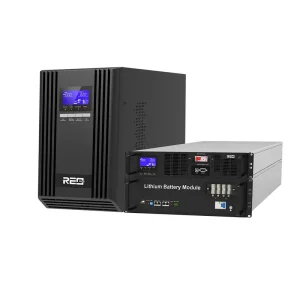
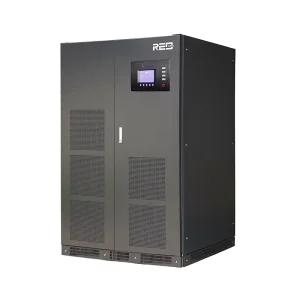
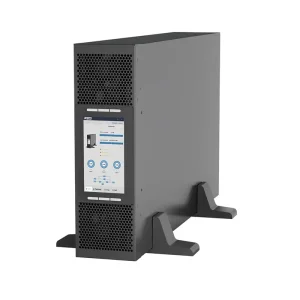
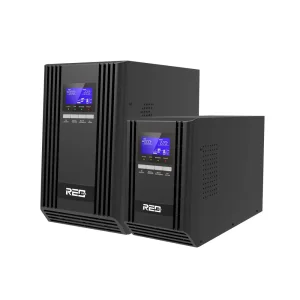
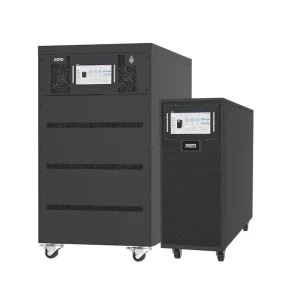
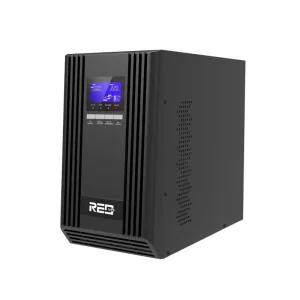
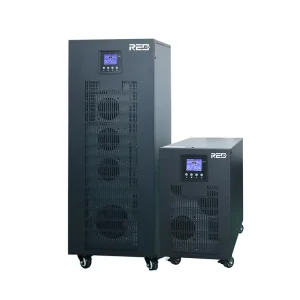
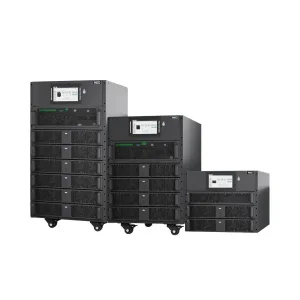
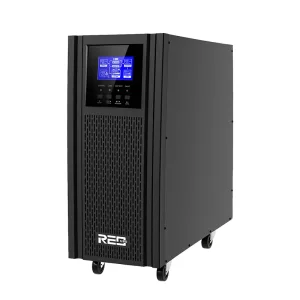
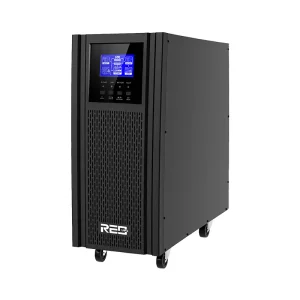
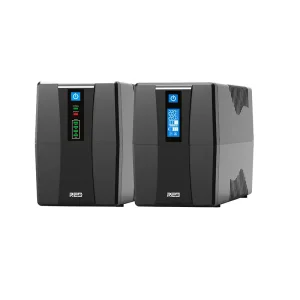
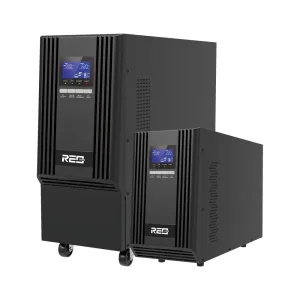
Enabling real-time data processing for IoT and AI at the network edge with compact, high-density UPS modules.
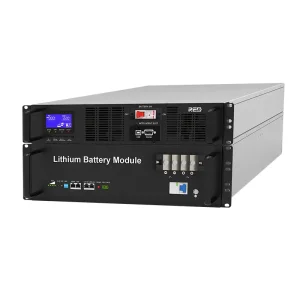
Our systems are designed to interface seamlessly with solar PV inverters and lithium storage systems for a sustainable footprint.
Advanced SNMP and IoT communication protocols ensuring your power infrastructure is safe from digital threats.
Headquartered in the global electronics hub of Shenzhen, China, Shenzhen REO Power Co., Ltd. is a premier manufacturer specializing in high-performance UPS power solutions. Our portfolio spans single-phase, split-phase (220V input/110V+110V output), three-phase, and advanced lithium-ion modular systems.
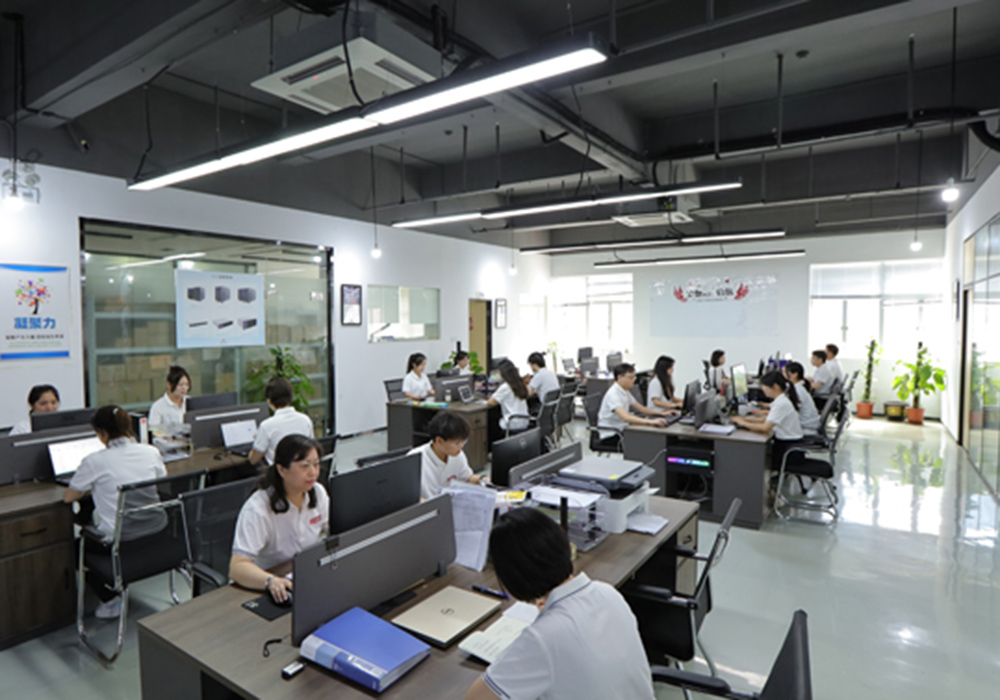
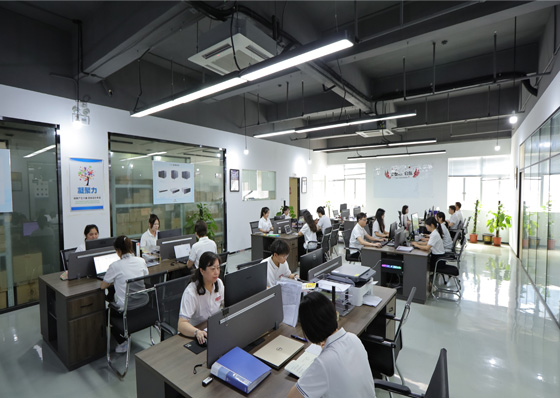
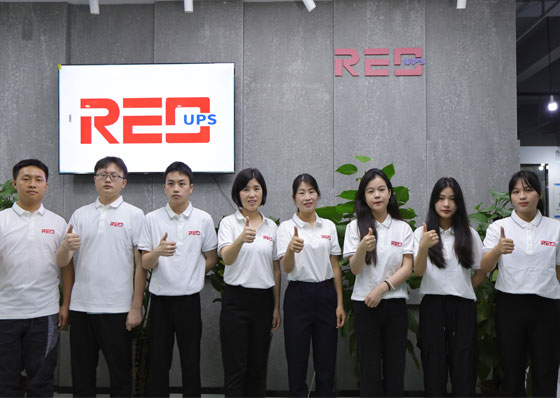
With a factory footprint of 13,500㎡ and over 150 dedicated employees, we operate under a strict ISO9001 quality control system. Our products meet international benchmarks including CE and IEC certifications, ensuring reliability across the harshest industrial environments.
Our Chief Technology Officer leads R&D with two decades of expertise in power electronics, driving innovation in transformerless high-frequency designs.
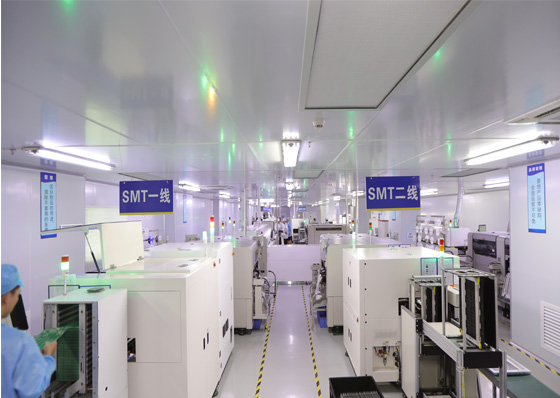
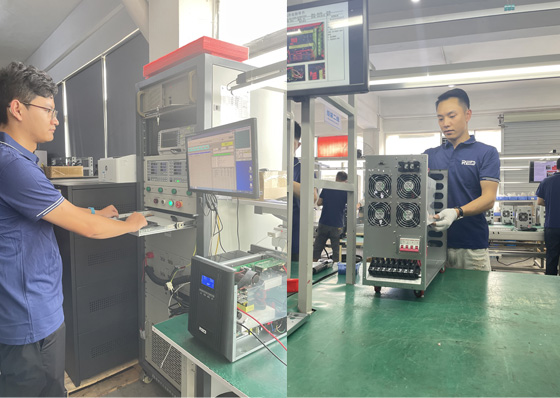
Utilizing AOI, ICT, ATE, and ROHS compliance testing to ensure every circuit board meets 100% precision standards before assembly.
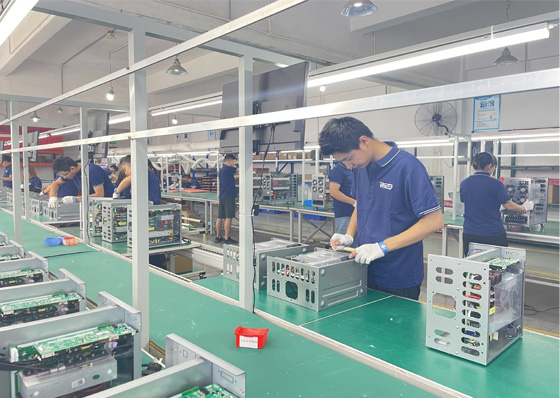
Every unit undergoes an intensive 8-hour burn-in process at full load. We test the whole system, not just components.
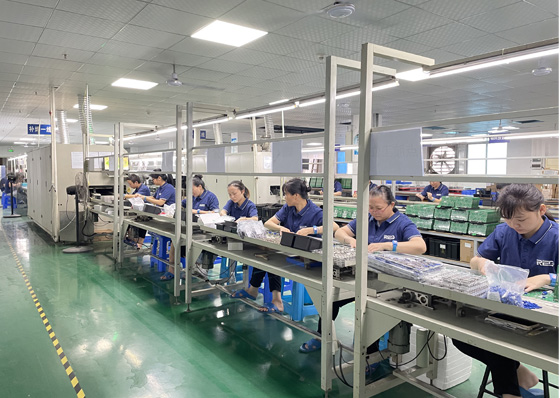
Two production bases with 10 automated lines capable of delivering 80,000 pieces per month to meet global demand.
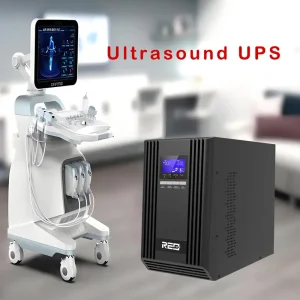
Low-frequency isolation designs for MRI, CT scanners, and ultrasound machines where electrical noise must be eliminated.
Redundant N+1 configurations for ATM networks and branch server rooms, ensuring 24/7 financial uptime.
Ruggedized UPS for factory floors, providing stable voltage during heavy machinery motor starts and surges.
Utilizing SiC MOSFETs to achieve 99% efficiency in ECO mode and reduce heat dissipation by 40%, allowing for smaller cooling systems.
Developing cloud-based UPS monitoring that uses machine learning to predict battery failure before it happens, reducing downtime to near zero.
Creating "Smart Grid" UPS systems that can feed excess energy back to the building or grid during peak demand times.
 REO UPS