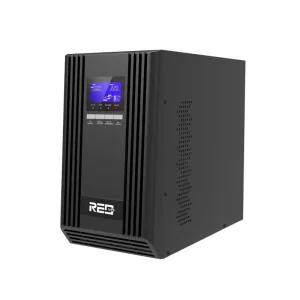
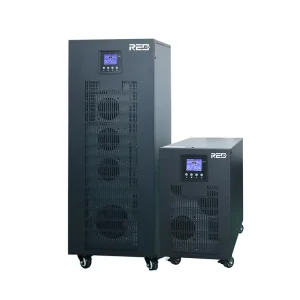
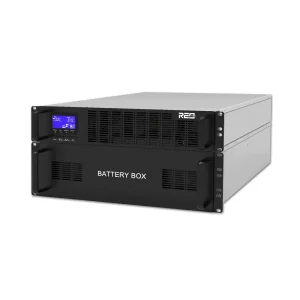
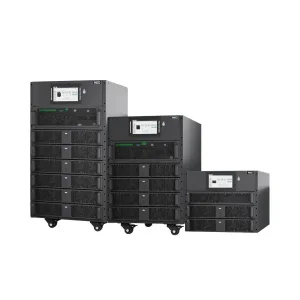
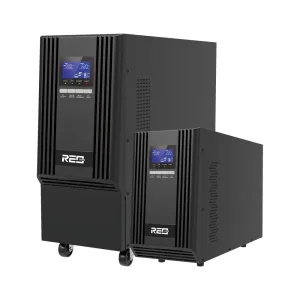
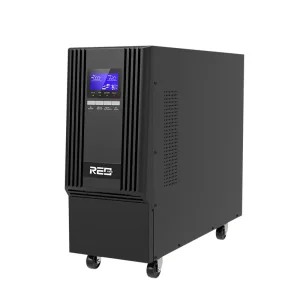
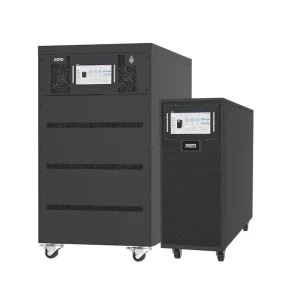
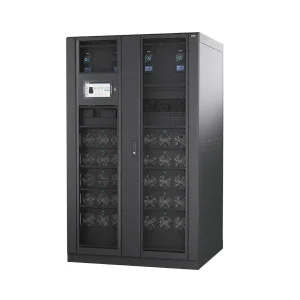
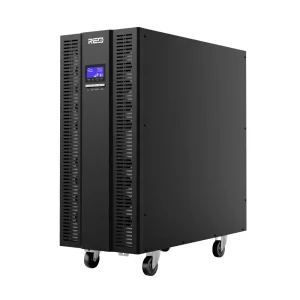
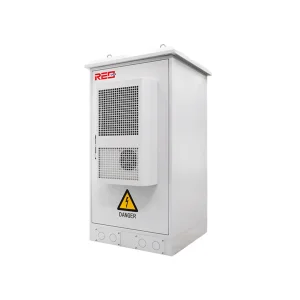
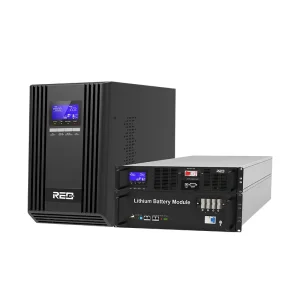
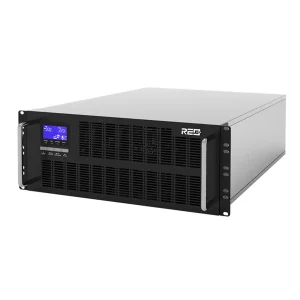
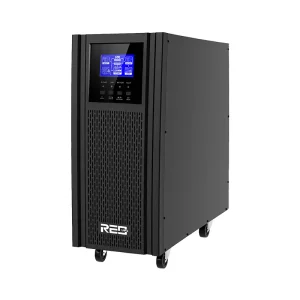
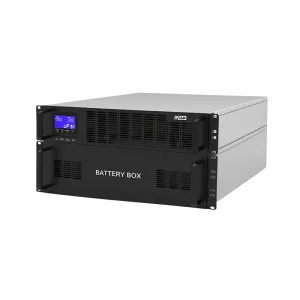
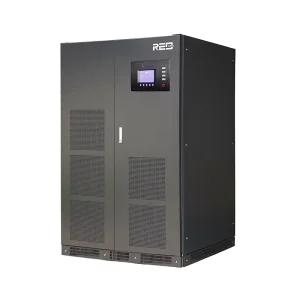
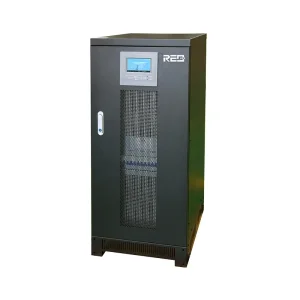
As the digital landscape pivots towards edge computing, cloud migration, and AI-driven data processing, the demand for high-reliability power systems has reached an inflection point. Modular Uninterruptible Power Supply (UPS) systems are no longer just an alternative to monolithic systems; they have become the industry standard for modern, high-density data centers. Our role as a premier OEM Modular UPS supplier is to bridge the gap between complex power engineering and practical, scalable deployment for global enterprises.
The traditional "over-provisioning" approach—installing large monolithic UPS systems to account for future capacity—is proving financially and operationally inefficient. Today's market prioritizes:
Procuring modular UPS solutions at a global scale requires more than just hardware; it requires a strategic partnership. When selecting an OEM partner, enterprises must evaluate:
At our core, we do not simply manufacture; we engineer solutions. Our technical roadmap for modular UPS focuses on three pillars:
Advanced Battery Management Systems (BMS) integrated with lithium-ion technology to extend service life and improve discharge accuracy.
Utilizing IoT connectivity for real-time monitoring and predictive analytics to identify potential component failures before they cause downtime.
Design flexibility for renewable energy integration and peak shaving capabilities, making the UPS an active participant in smart energy grids.
Shenzhen REO Power Co., Ltd. is not just an OEM/ODM factory; we are an authoritative power engineering firm. With 20+ years of R&D expertise, our CTO-led team ensures that every modular unit complies with rigorous EN/IEC 62040 standards. We understand the nuances of local markets—whether it's adapting to 110V split-phase for the Americas or high-capacity three-phase systems for industrial hubs. Our commitment to Strict Quality Control—from ATE double testing to 8-hour burn-in tests—ensures your brand promise is upheld with every installation.
A: The primary advantage is scalability and serviceability. A modular UPS allows you to expand power capacity as your business grows without replacing the entire system. Furthermore, the hot-swappable nature of the modules ensures that maintenance can be performed without downtime, significantly reducing the Mean Time to Repair (MTTR).
A: Yes, we specialize in this. Whether it is adapting voltage requirements (e.g., 110V output for North America/Japan vs. 230V for Europe), customizing LCD interfaces in local languages, or modifying hardware cabinets for specific cooling standards, our engineering team is equipped for full-cycle co-creation.
A: Our quality assurance process involves ISO9001-certified workflows. This includes ATE (Automatic Test Equipment) testing for all power modules, 8-hour load-bank burn-in testing, and rigorous environmental compliance checks (Shock/Vibration/Humidity). Every unit is documented and traceable.
 REO UPS