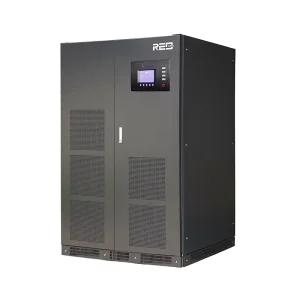
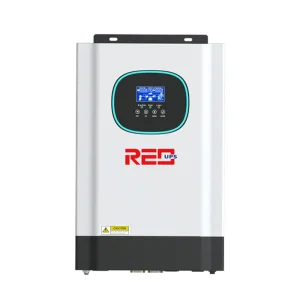
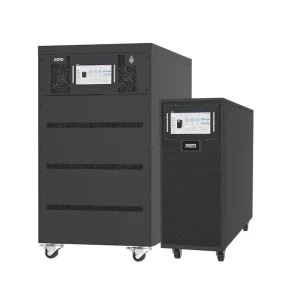
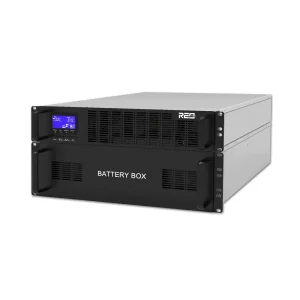
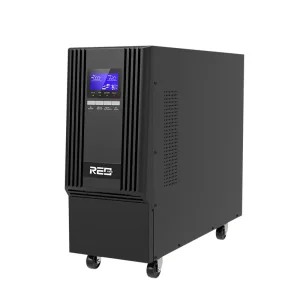
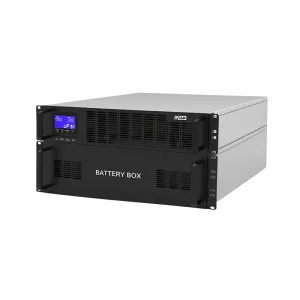
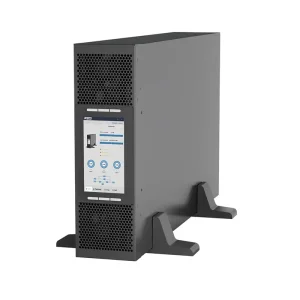
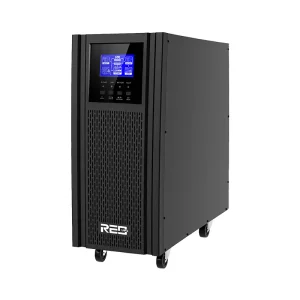
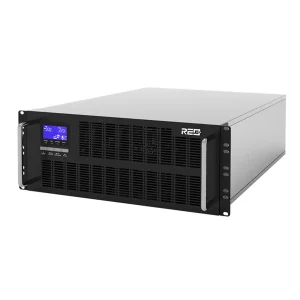
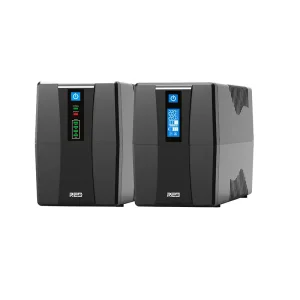
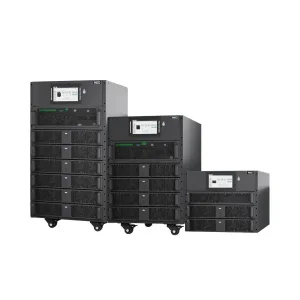
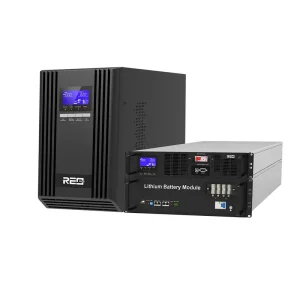
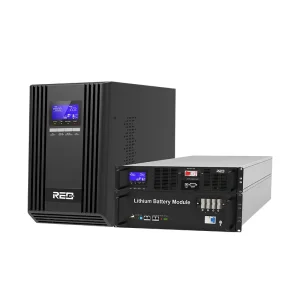
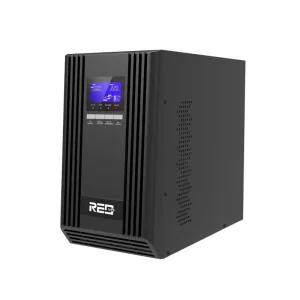
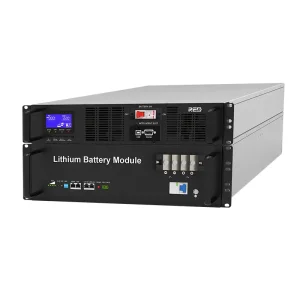
Engineered for extreme workloads, critical infrastructure protection, and reliable power distribution.
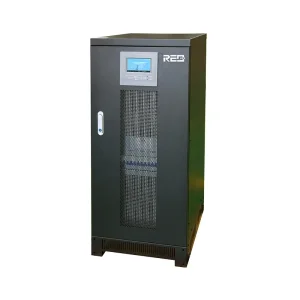
In global industrial automation, data processing, and heavy manufacturing, the 480V 3-Phase UPS configuration stands out as the standard architecture for mission-critical power systems. Unlike standard single-phase residential grids, three-phase power delivers a steady, constant stream of electrical current that is highly efficient for running large electric motors, massive heating systems, and specialized industrial tools.
By operating at 480 Volts, industrial facilities can significantly lower current draw for a given power level compared to lower voltages (such as 208V or 240V). Lower current directly reduces distribution line losses, minimizes heat generation within cabling, and allows engineers to utilize smaller conductor wire sizes. This translates to substantial savings in copper cost and infrastructure design. A robust 480V three-phase online double-conversion UPS prevents utility sags, surges, harmonics, and blackouts from damaging complex machinery, ensuring 100% uptime for modern automated facilities.
Analyzing logistics, customization flexibility, and manufacturing efficiency in the power electronics market.
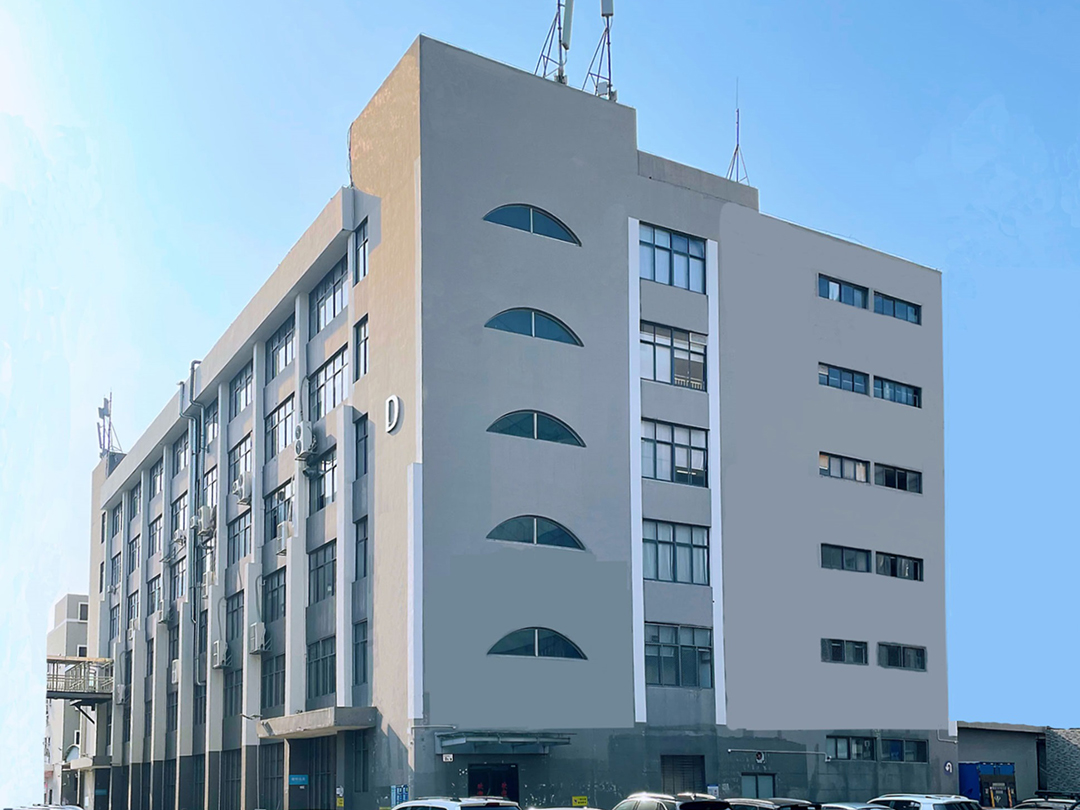
Shenzhen is the global hub for power electronics engineering. Access to high-grade magnetic components, semiconductors, and precision structural parts enables short manufacturing lead times.
Unlike rigid western OEMs, Chinese manufacturers like REO Power provide direct communication with hardware and software design teams to optimize the UPS firmware for localized power grids.
Reliable factories implement ISO9001 and ISO14001, conducting rigorous testing on CE and IEC 62040 international standards to ensure effortless customs clearance and safety certification.
Analyze structural differences between online UPS systems to align with target infrastructure needs.
Operating a three-phase power supply at 480V requires strict adherence to localized electrical regulations. In North America, systems must comply with NEC (National Electrical Code) requirements, UL 1778 (Standard for Uninterruptible Power Supply Equipment), and IEEE 519 standards for harmonic distortion control. In the European Union, CE marking and IEC 62040 compatibility are mandatory for commercial deployment.
To bridge the gap between factory assembly and field execution, Shenzhen REO Power Co., Ltd. customizes key interfaces. This includes dual-mains inputs, dedicated external maintenance bypass cabinet interfaces, dry contacts for building management system (BMS) integration, and Modbus/SNMP communication ports. Our localized firmware adjustments support phase-angle tuning and customizable voltage adjustment ranges. This helps prevent unwanted battery discharges during minor line frequency variations typical of isolated local microgrids or heavy manufacturing zones.
Leverage our 13,500m² advanced production facilities and 20+ years of engineering experience to design and scale custom power architectures.
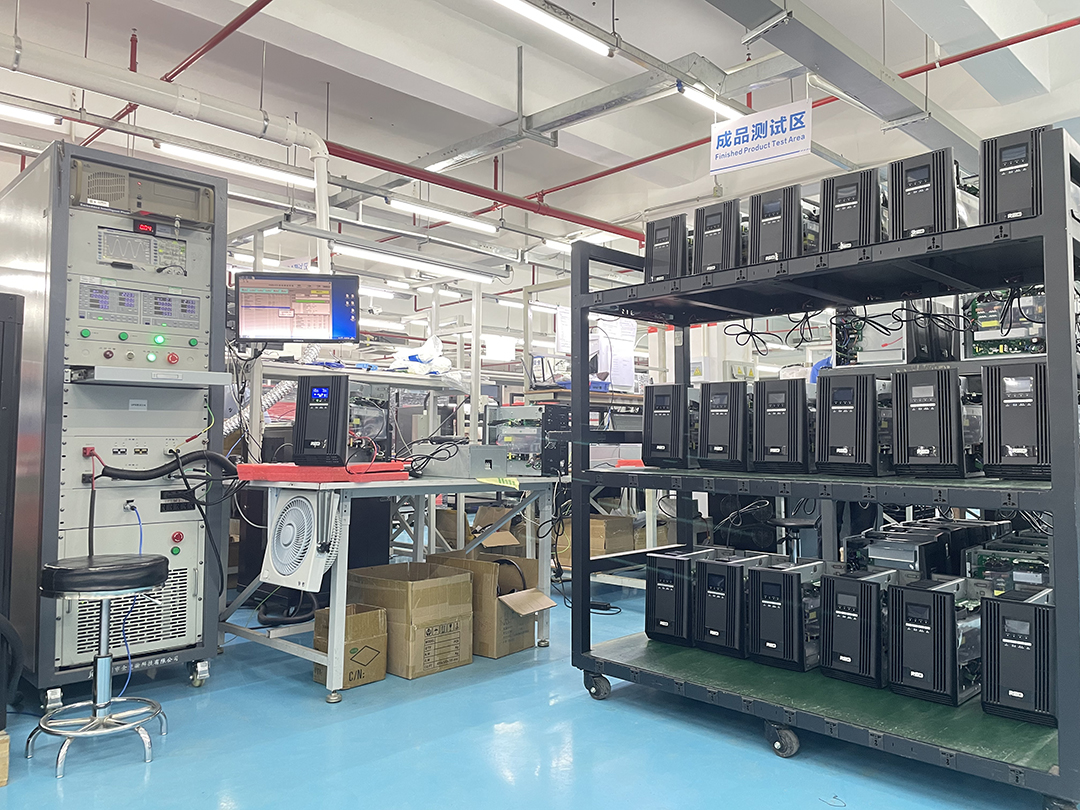
Reliability in high-power 480V 3-phase applications is directly dependent on manufacturing precision and quality assurance. Our manufacturing plant relies on top-tier equipment such as AOI (Automated Optical Inspection), ICT (In-Circuit Testing), FCT (Functional Circuit Testing), and ATE (Automatic Test Equipment) systems. This ensures every printed circuit board assembly meets strict functional tolerances before system integration.
Our quality control protocols require an 8-hour continuous full-load burn-in test for 100% of manufactured units. This process helps eliminate early component failures and ensures long-term operational reliability. Additionally, we conduct double ATE testing (once post-assembly and once after the 8-hour burn-in phase). Environmental testing, including vibration testing, constant temperature testing, and humidity cycles, ensures our equipment operates reliably in harsh industrial environments.
Understanding the evolution of industrial backup power systems to future-proof your procurement decisions.
Lithium iron phosphate (LFP) batteries are replacing traditional VRLA designs. LFP technology offers a 10-year lifespan, reduced weight, and faster recharge cycles. This shift is highly beneficial for 480V 3-phase systems, where space and heat management are critical.
Modern data centers demand high-density footprints. Transitioning from traditional monolithic UPS units to modular, hot-swappable architectures minimizes MTTR (Mean Time to Repair) and allows operations teams to scale power protection dynamically.
Next-generation UPS firmware uses predictive analytics to monitor capacitor temperature, fan rotation speed, and battery cell health. This shifts maintenance from a reactive schedule to a proactive model, preventing unscheduled downtime.
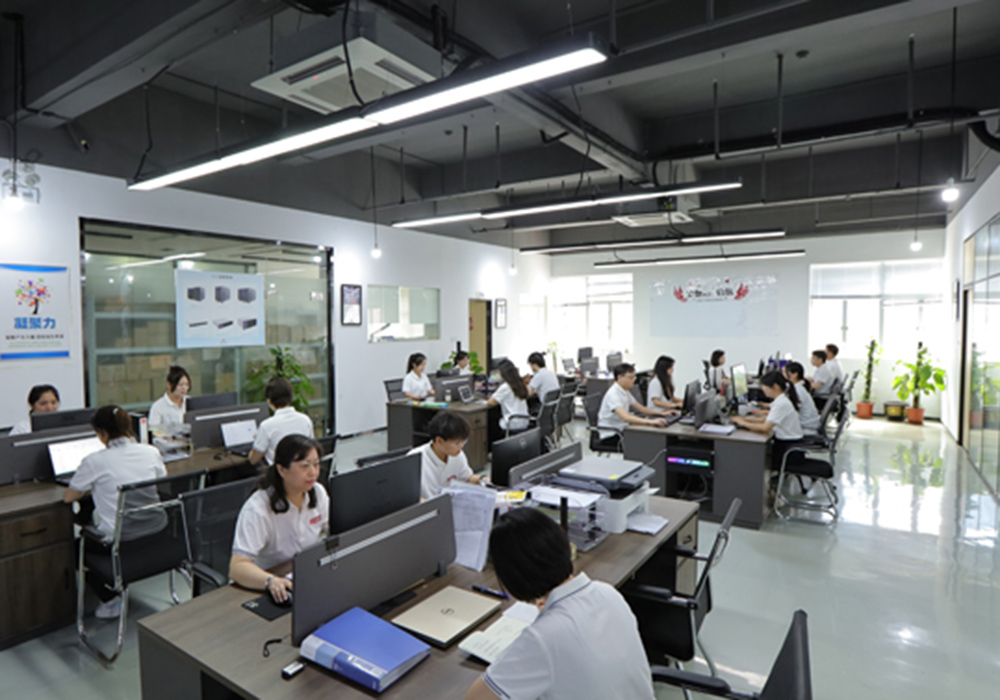
Established in 2015, Shenzhen REO Power Co., Ltd. is a leading manufacturer of advanced UPS systems based in Shenzhen, China. Our engineering focus spans high-capacity three-phase online UPS units, split-phase configurations (220V input to 110V+110V output), high-efficiency lithium-ion systems, modular UPS architectures, outdoor units, offline solar inverters, and battery storage solutions.
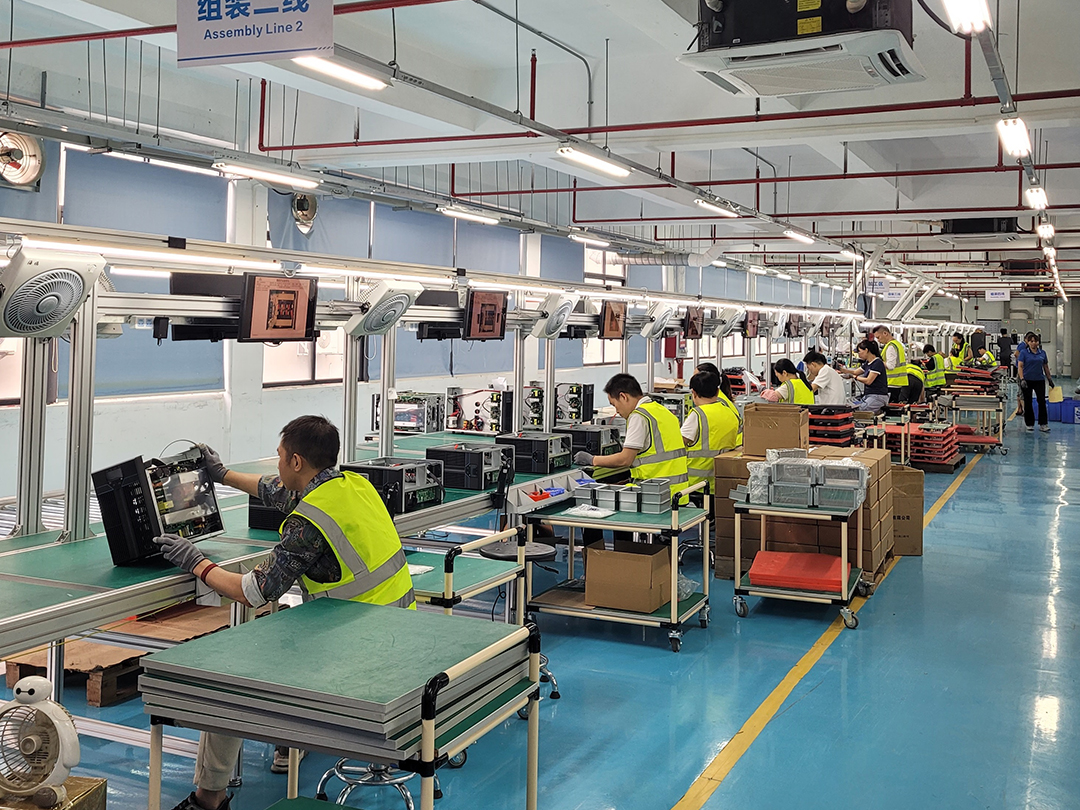
Operating from a 13,500 square meter facility with a dedicated team of over 150 employees, we support clients across more than 100 countries. Our production bases house 10 automated lines, producing approximately 80,000 units per month. Led by our CTO who brings 20+ years of industrial power design experience, REO Power delivers high-performance OEM and ODM solutions to clients worldwide.
Review critical technical guidelines regarding three-phase power topologies, configuration options, and installation parameters.
Discuss your electrical specifications, custom casing requirements, or scheduling needs directly with our technical support team.
Contact Our EngineersExplore our line of modular, low-frequency, and off-grid power conversion systems designed for industrial applications.
 REO UPS