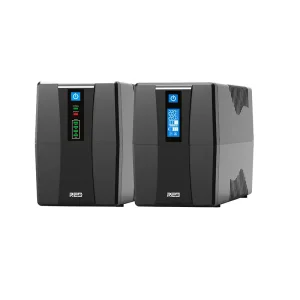
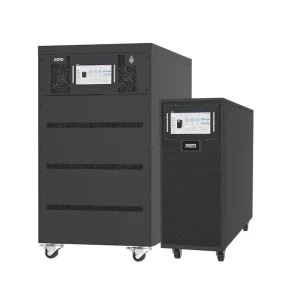
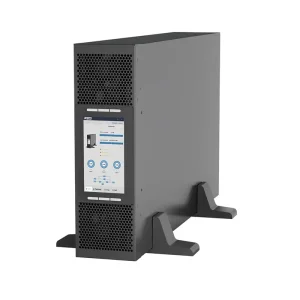
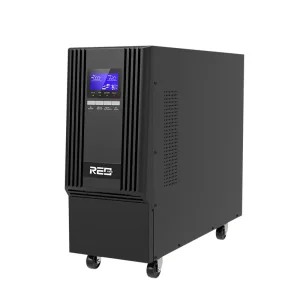
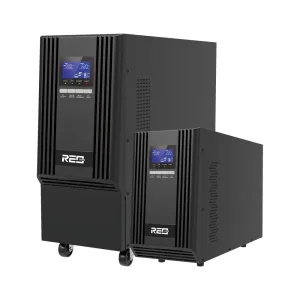
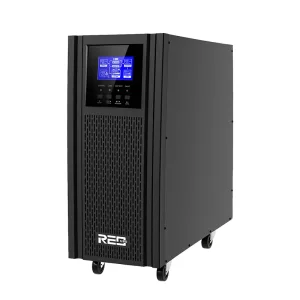
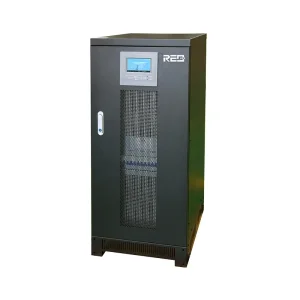
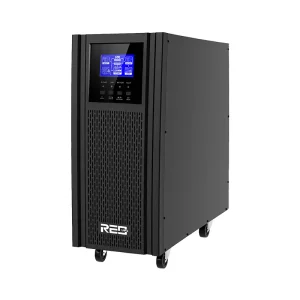
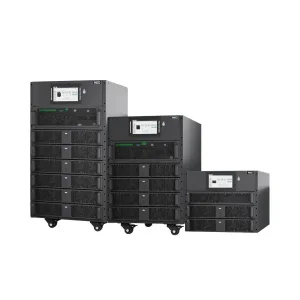
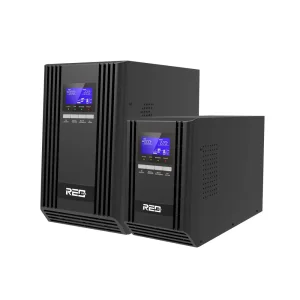
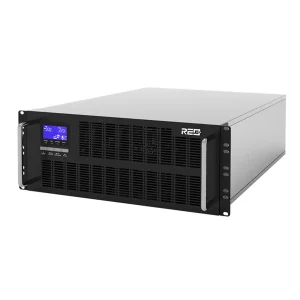
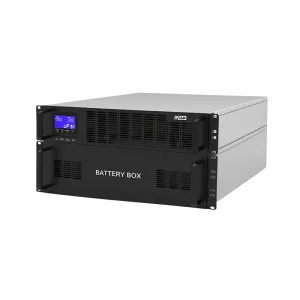
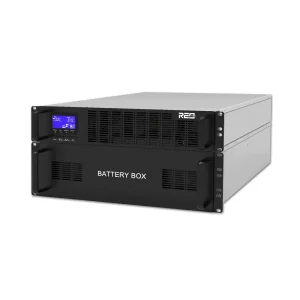
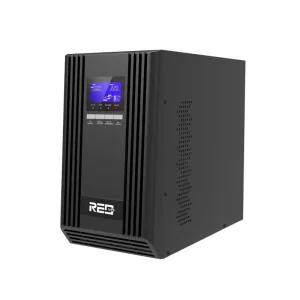
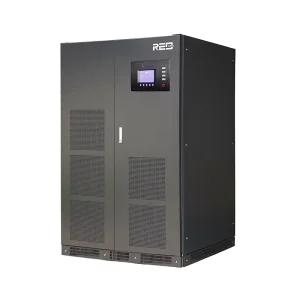
Discover our advanced product lines engineered for enterprise-grade redundancy and efficiency.
As power densities increase and real estate costs escalate, global industries are rapidly shifting from traditional Lead-Acid (VRLA) batteries to advanced Lithium chemistry.
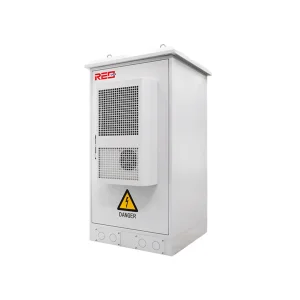
Lithium-ion UPS systems occupy up to 60% less footprint and weight than traditional counterparts. This is critical for micro data centers, edge computing installations, and pole-mounted outdoor boxes.
Offering over 10 years of operational life and exceeding 2000-3000 cycles, small lithium UPS modules eliminate the typical 3-5 year battery replacement cycle, lowering Total Cost of Ownership (TCO).
Small lithium battery cells operate reliably at elevated temperatures (up to 60°C) without the steep degradation characteristic of lead-acid, minimizing cooling infrastructure requirements.
Our OEM Small Lithium UPS manufacturing processes leverage cutting-edge Lithium Iron Phosphate (LiFePO4) and advanced Lithium Nickel Manganese Cobalt (NMC) chemistries. We prioritize LiFePO4 for industrial use cases due to its supreme thermal stability, resistance to runaway, and non-toxic lifecycle parameters.
Every unit integrates a multi-layered Battery Management System (BMS) that actively monitors:

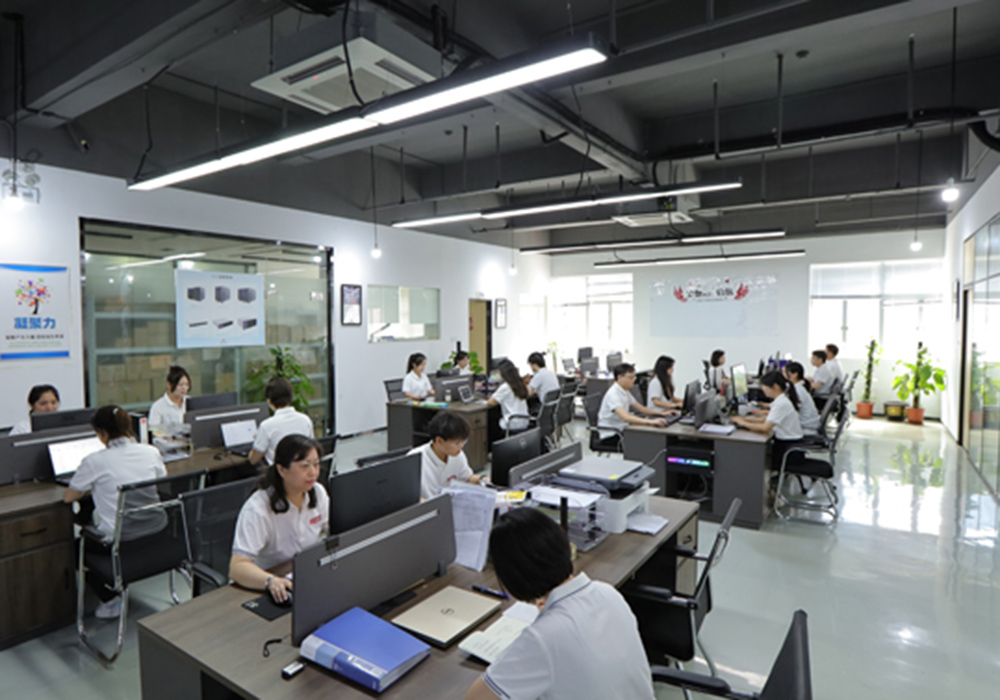
Shenzhen REO Power Co., Ltd. is a premier, ISO9001-certified UPS manufacturer located in Shenzhen, China. We specialize in the R&D, design, and full-scale manufacturing of high-reliability power systems, including single-phase UPS, split-phase UPS (220V input to 110V+110V output), high-power 3-phase systems, Lithium-ion UPS, modular hot-swappable solutions, and outdoor waterproof UPS configurations.
With a focus on engineering excellence, we partner with operators, distributors, and system integrators in over 100 countries to deploy optimized backup solutions compliant with CE, IEC, and global energy guidelines.
Contact Our EngineersOur CTO-led R&D team brings 20+ years of UPS-specific hardware and software design experience to co-create solutions tailored for your target market.
Tailored branding, labels, customizable LCD panel overlays, regional socket styles (NEMA, Schuko, UK, universal), multi-language software interface configurations, and compliant shipping packaging.
Complete custom electronics, chassis sizing (rack/tower/wall-mount), custom output voltage curves, integration of smart BMS communication protocols (Modbus, SNMP, dry contacts), and specialized PCB designs.
We ensure 100% reliability through automated precision machinery and robust quality assurance steps.
Every single UPS undergoes at least 8 hours of active load burn-in testing (not batch sampling) to eliminate early component infant mortality.
Automatic Test Equipment (ATE) checks every electronic parameter twice: once immediately after circuit board assembly, and again after the burn-in cycle.
Our facilities utilize professional vibration tables, high/low temperature chambers, and relative humidity testers to replicate harsh field environments.
Our small lithium UPS systems are engineered for seamless deployment across challenging edge locations.
Providing compact, pole-mountable waterproof DC and AC lithium UPS units to sustain wireless communications through localized grid drops.
Powering distributed traffic monitoring systems, CCTV security networks, and municipal IoT gateways that demand zero-footprint designs.
Guarding PLC micro-panels, SCADA nodes, and industrial robotics brains against voltage sags and transients on factory floors.
Explore our specialized hardware configurations built to meet stringent critical infrastructure safety metrics.
Answers to key technical questions regarding Lithium-ion chemistry, design life, safety compliance, and OEM capabilities.
A LiFePO4 Lithium UPS typically lasts between 8 to 12 years (or 2,000 to 3,000 full charge/discharge cycles), whereas a conventional Valve Regulated Lead-Acid (VRLA) battery requires replacement every 3 to 5 years (lasting only 200 to 400 cycles).
Yes. By using Lithium Iron Phosphate (LiFePO4) chemistry and incorporating an advanced microchip-based Battery Management System (BMS), our units prevent overvoltage, overheating, and short-circuits, satisfying IEC 62040 and CE standards.
Absolutely. Through our ODM services, we can write custom protocol mappings (SNMP, Modbus RTU/TCP, dry contact relays) and customize the LCD diagnostic interface screen layout to align with your remote monitoring software requirements.
We support flexible MOQ requirements to help distributors establish their presence. Contact our sales department to discuss custom tooling, branding modifications, and sample evaluation schedules.
 REO UPS