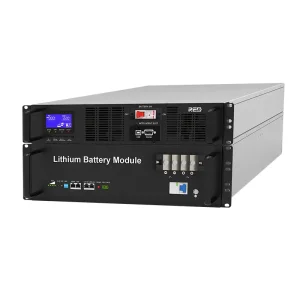
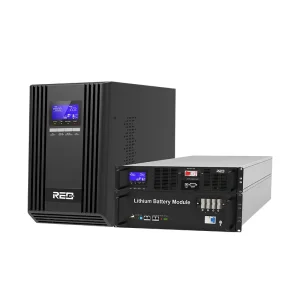
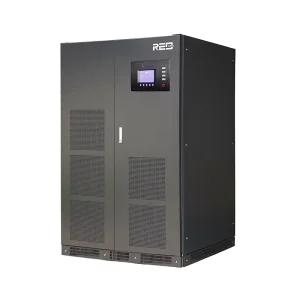
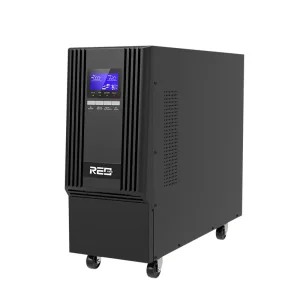
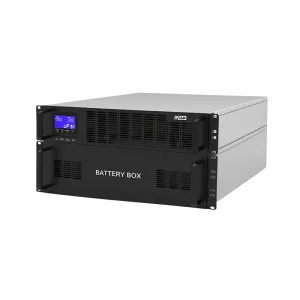
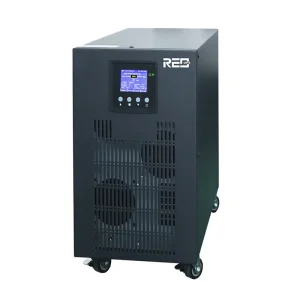
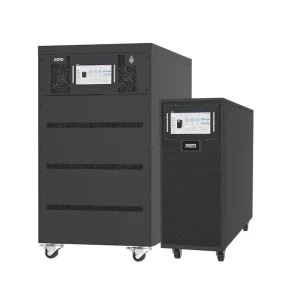
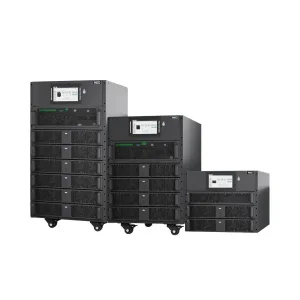
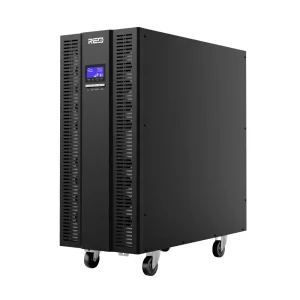
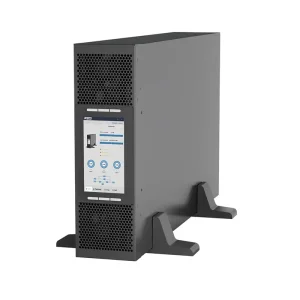
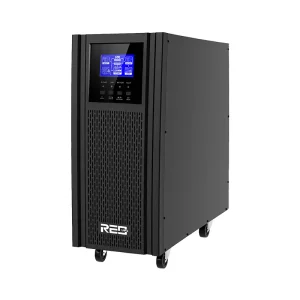
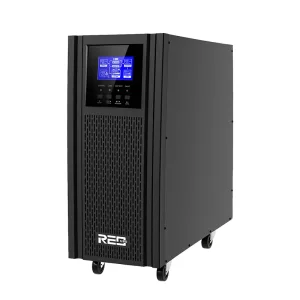
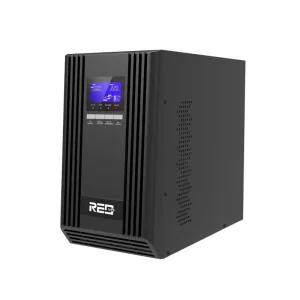
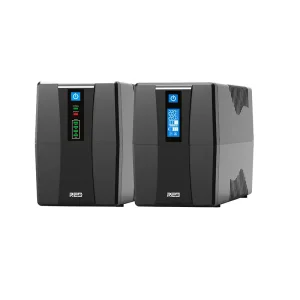
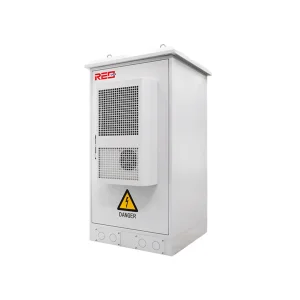
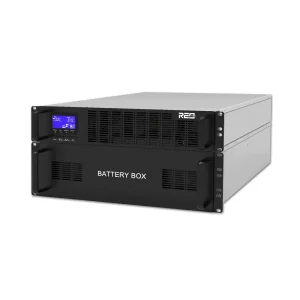
Explore our core selection of top-tier OEM & ODM uninterruptible power supplies configured for maximum efficiency and utility resilience.
Established in 2015, Shenzhen REO Power Co., Ltd. is a premier global UPS manufacturer. Our engineering footprint spans single-phase, split-phase (220V input to dual 110V output), low-frequency medical, heavy industrial three-phase, lithium-ion energy storage, and outdoor rated backup structures. We serve critical system operations across 100+ countries.
Our focus lies in optimizing operational efficiency for energy-hungry environments. By engineering specialized software parameters and robust hardware components, we empower global clients to decrease energy losses and reduce Scope 2 greenhouse gas emissions through advanced bypass and Eco-Mode topologies.
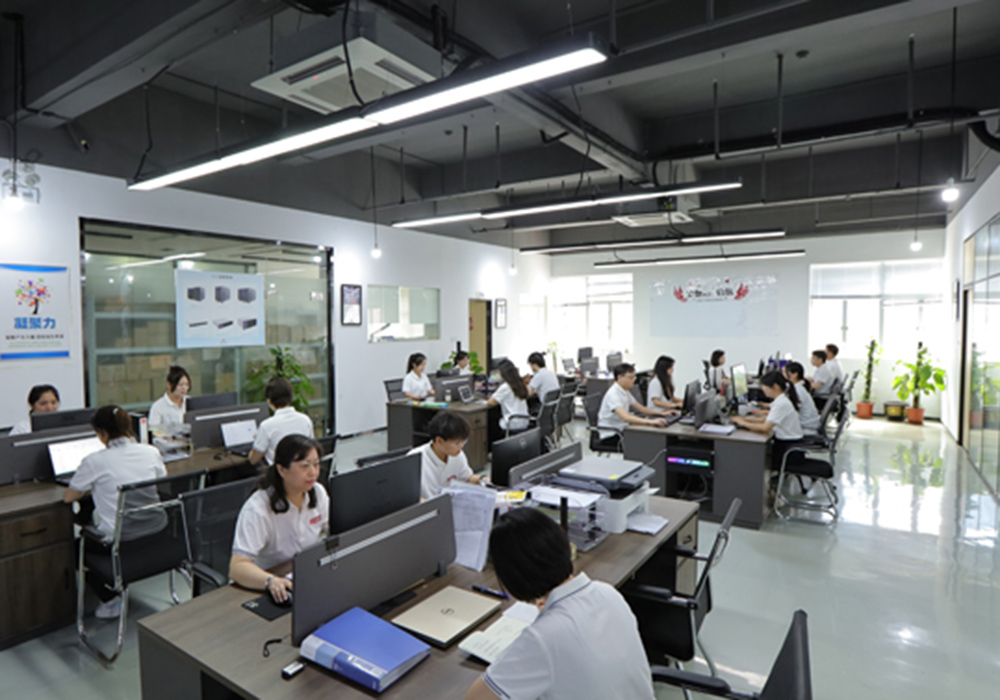
A technical assessment of energy conservation versus transient recovery in next-generation UPS engineering.
In standard double-conversion online operations, the power continuously flows through the rectifier and inverter, leading to a typical energy conversion loss of 6% to 10%. In contrast, Eco-Mode (Economic Mode) functions by utilizing the internal utility bypass path as the primary power line during nominal grid status.
The inverter remains in standby or active-parallel configuration. Under normal operating conditions, the power is fed directly from the grid to the critical load, achieving an efficiency rating of up to 99%. Should the mains power exceed tight electrical parameter tolerances (e.g., voltage swells, sags, or frequency deviations), the static transfer switch (STS) seamlessly shifts the load back to double-conversion mode or battery backup.
The operational efficiency gains translate to thousands of dollars saved annually in utilities and thermal dissipation costs.
| UPS Type / Mode | Average Efficiency | Thermal Dissipation | Response Window |
|---|---|---|---|
| Double Conversion (Online) | 92% - 94.5% | High (Continuous) | 0 ms |
| REO Eco-Mode Topology | 98.5% - 99.1% | Negligible | < 4 ms (Typical) |
| Standard Line-Interactive | 96% - 97.5% | Moderate | 4 - 10 ms |
*Values evaluated at nominal load (50% to 100% capacity) under 230V mains input.
Addressing energy cost surges, carbon reduction goals, and infrastructure resilience on a macro scale.
Data centers currently consume nearly 2% of global electricity. Integrating custom Eco-mode systems significantly improves Power Usage Effectiveness (PUE) ratings, aiding compliance with local and international green building standards.
Modern industrial plants leverage on-site solar, wind, and battery storage. Our Eco-Mode firmware integrates with local grid controllers to coordinate energy storage dispatch, reducing peak demand charges while protecting primary PLC machinery.
Healthcare operations present unique power safety challenges. Using low-frequency Eco-Mode topologies guarantees galvanic isolation protection from power surges while operating at lower base temperatures during idle night shifts.
How Shenzhen REO Power co-creates and configures equipment to align with regional requirements and distinct brand identities.
Designed for organizations seeking custom hardware and software design built from the ground up by our 20+ years experienced R&D division.
Optimized for rapid go-to-market deployments utilizing our pre-tested, internationally certified power supply bases.
Rigorous test protocols to guarantee high reliability for mission-critical power paths.
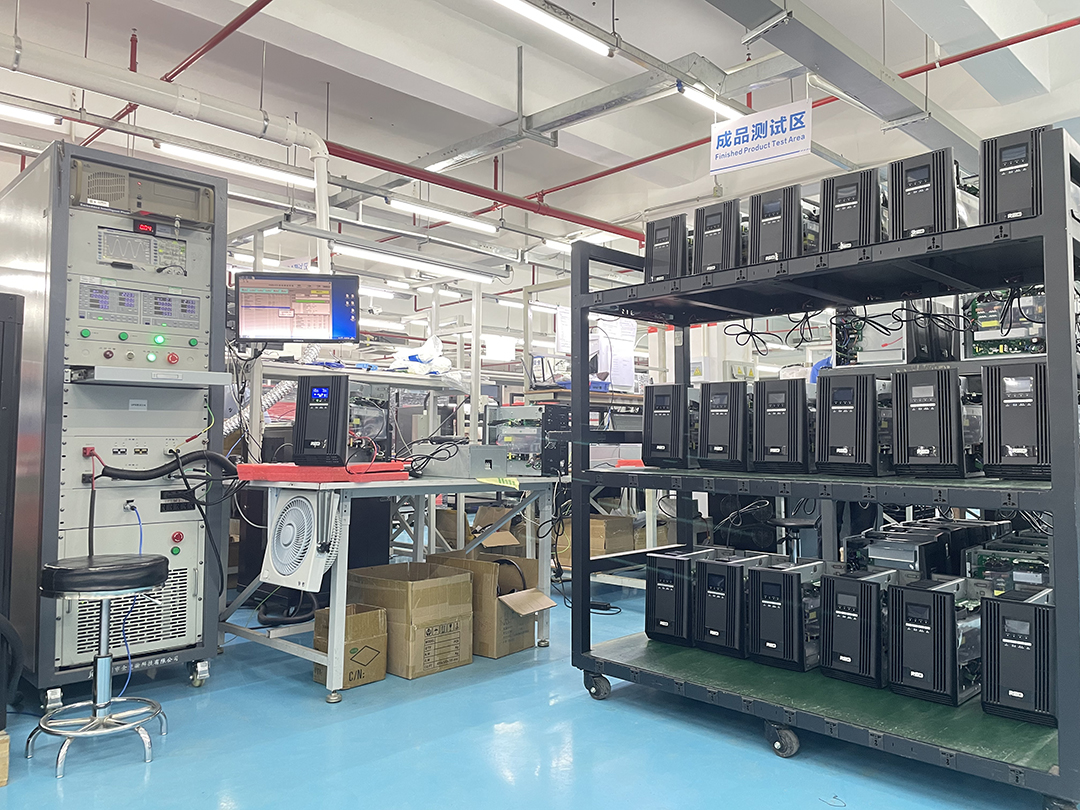
Our ISO9001 certified production facility uses advanced, high-precision instruments to evaluate each component. By automating critical testing stages, we ensure performance repeatability across large manufacturing runs.

Automated workflows yielding a consistent production capacity of up to 80,000 units per month.
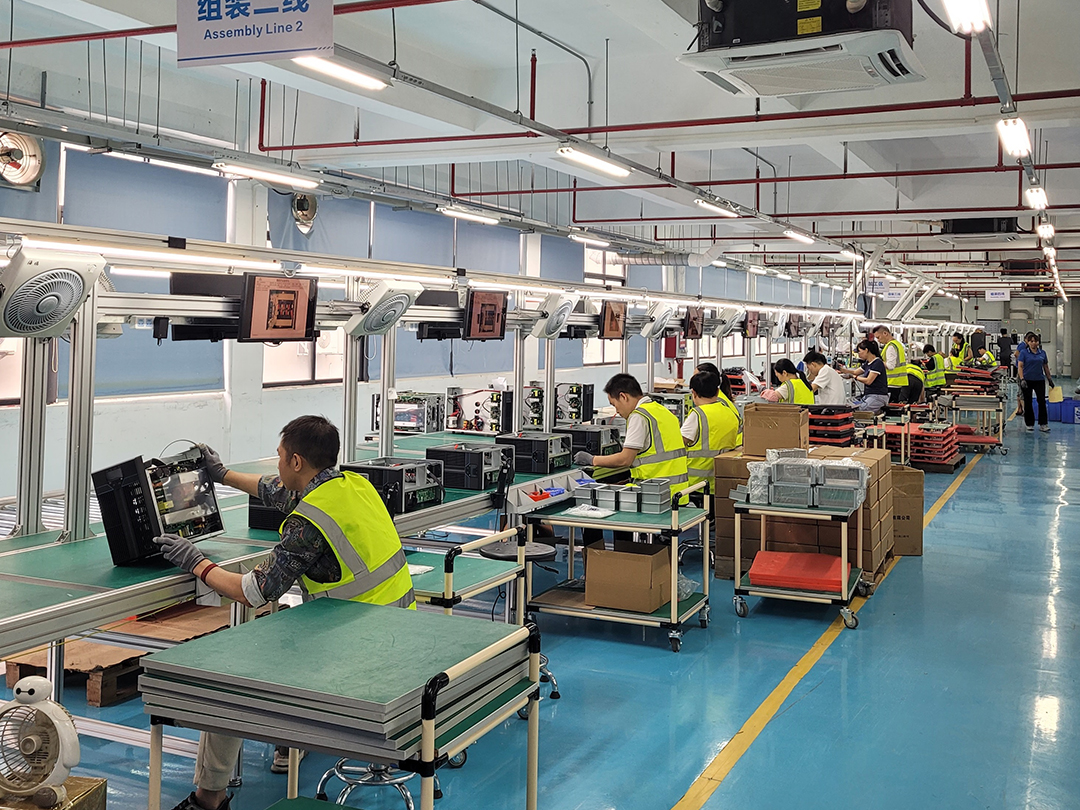
Ensuring precise transition points for static switches during grid fluctuations.
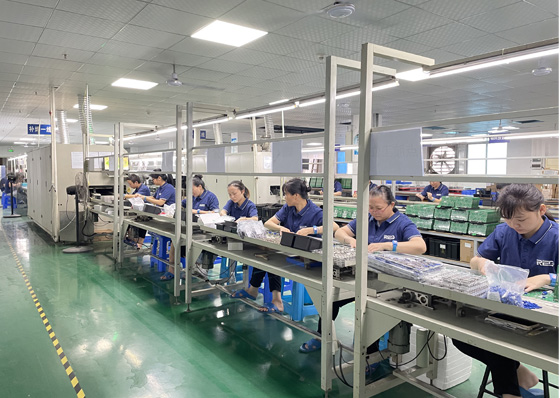
Units are validated within extreme climatic chambers to replicate tough installations.
Looking ahead at the next phase of efficiency, material science, and grid communication.
Moving from traditional silicon IGBTs to Silicon Carbide (SiC) semiconductors. This shift reduces switching losses, improves high-temperature reliability, and allows for more compact physical footprints.
Developing UPS software that interacts directly with utility smart grids. These systems enable Peak Shaving and Virtual Power Plant (VPP) energy arbitrage without impacting critical load security.
Integrating machine learning algorithms within our DSP controller to evaluate internal capacitor wear, battery impedance trends, and relay health to alert operators before failure occurs.
A secondary portfolio designed to address distinct voltage patterns, harsh settings, and critical backup requirements.
Expert answers addressing the efficiency, reliability, and deployment configurations of high-efficiency UPS platforms.
 REO UPS