High-efficiency power systems specifically optimized for Seoul's dense industrial and residential architecture.
⚡ As the beating heart of South Korea’s technology and economy, Seoul has embarked on an ambitious journey to become a "Solar City." With the government’s Seoul Solar City Project, the demand for high-performance Solar Inverter Suppliers and Factories in Seoul has skyrocketed. Unlike traditional rural solar farms, Seoul’s solar infrastructure is integrated into the urban fabric—on rooftops of high-rise apartments, the glass facades of Gangnam's skyscrapers, and the industrial zones of Guro and Gasan Digital Complexes.
At REO Power, we understand that the Seoul market requires more than just standard products. Urban solar applications demand extreme efficiency in limited spaces. Our inverters are designed to handle the variable shading issues common in dense cityscapes, utilizing advanced MPPT (Maximum Power Point Tracking) technology to ensure that every ray of Seoul sunlight is converted into usable energy for the KEPCO grid.
Driving the "K-Energy" transition with technological excellence and reliable supply chains.
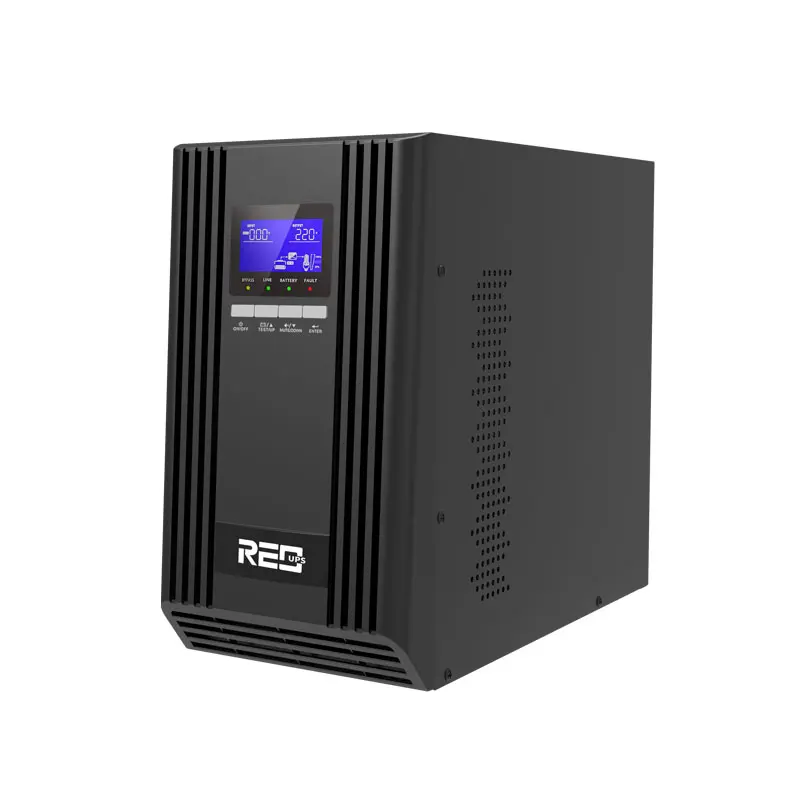
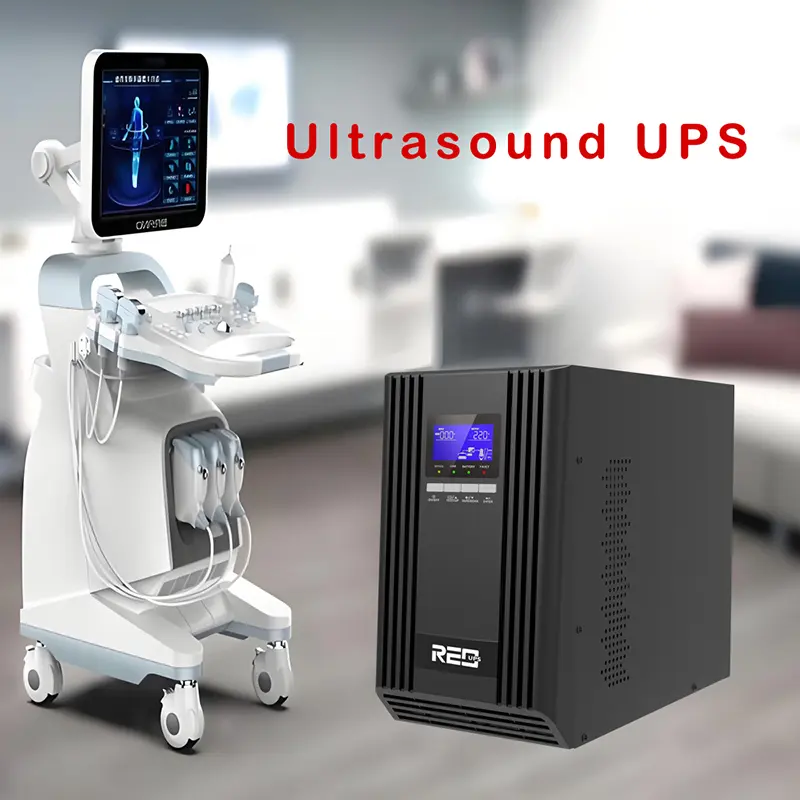
In world-class facilities like the Seoul National University Hospital, power stability is life or death. Our specialized medical-grade UPS systems provide seamless backup for ultrasound and MRI machines, ensuring Zero-millisecond switching.
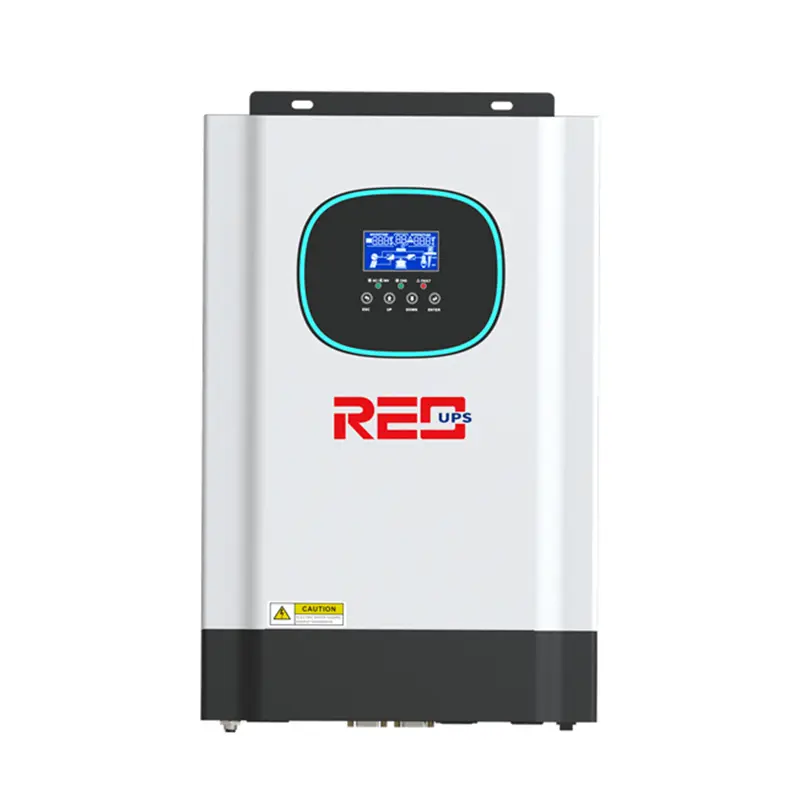
Seoul's residential trend is moving toward "Balcony Solar." Our compact, removable LCD off-grid inverters are perfect for individual apartment owners looking to reduce their monthly electricity bills while contributing to Seoul's Net-Zero goals.
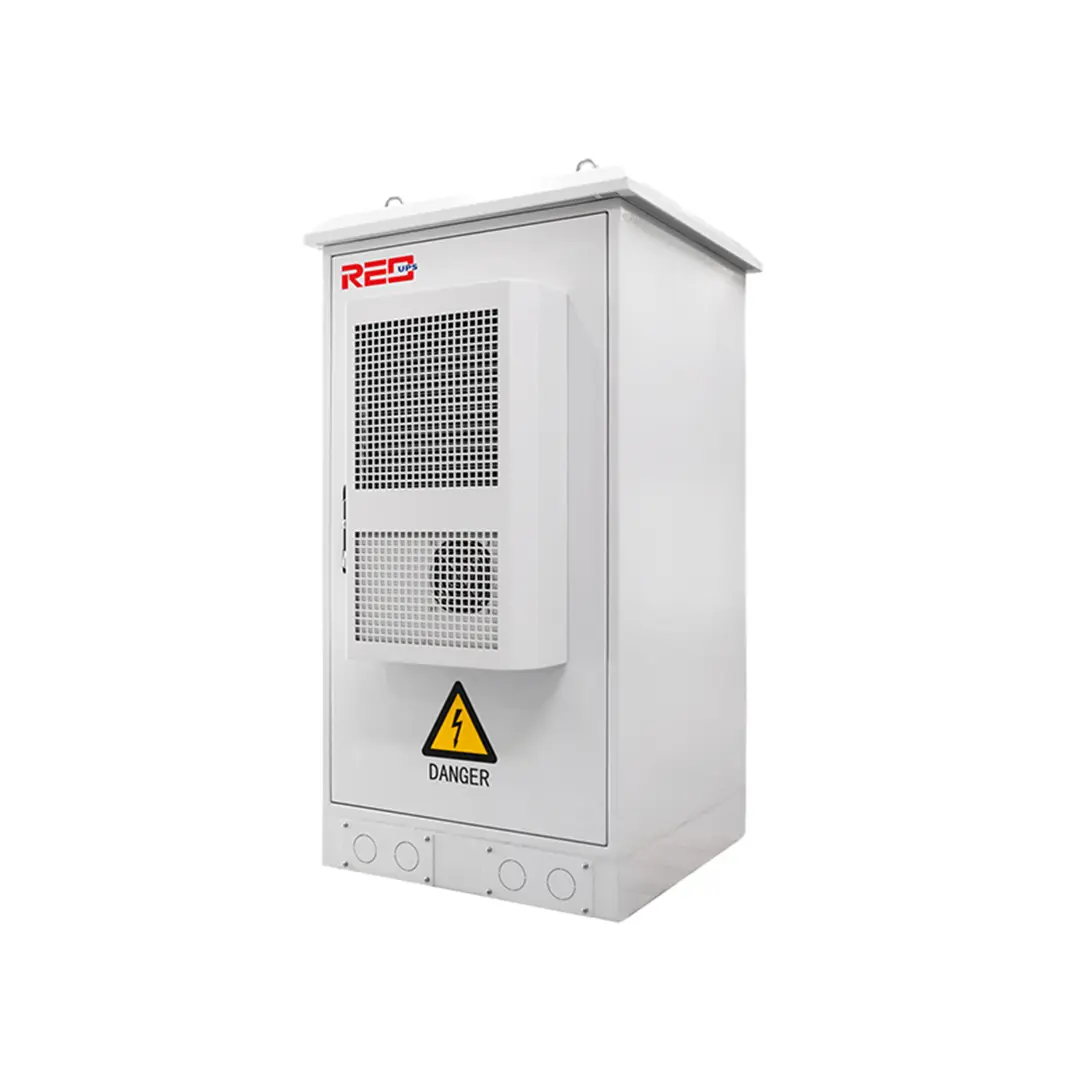
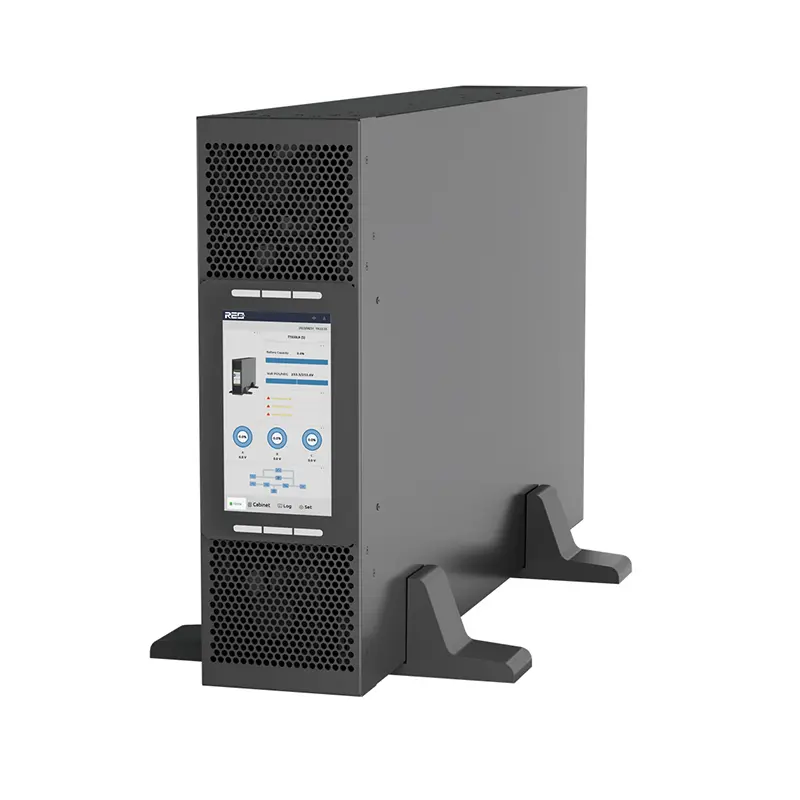
From the Seoul Subway network to smart bus shelters, our waterproof outdoor UPS units (IP65 rated) ensure that the city's IoT sensors and communications stay online even during the humid East Asian monsoon season.
The Korean government’s support for Energy Storage Systems (ESS) means inverters must be smarter. Our products support hybrid configurations, allowing Seoul factories to store energy during off-peak hours and use it during peak demand.
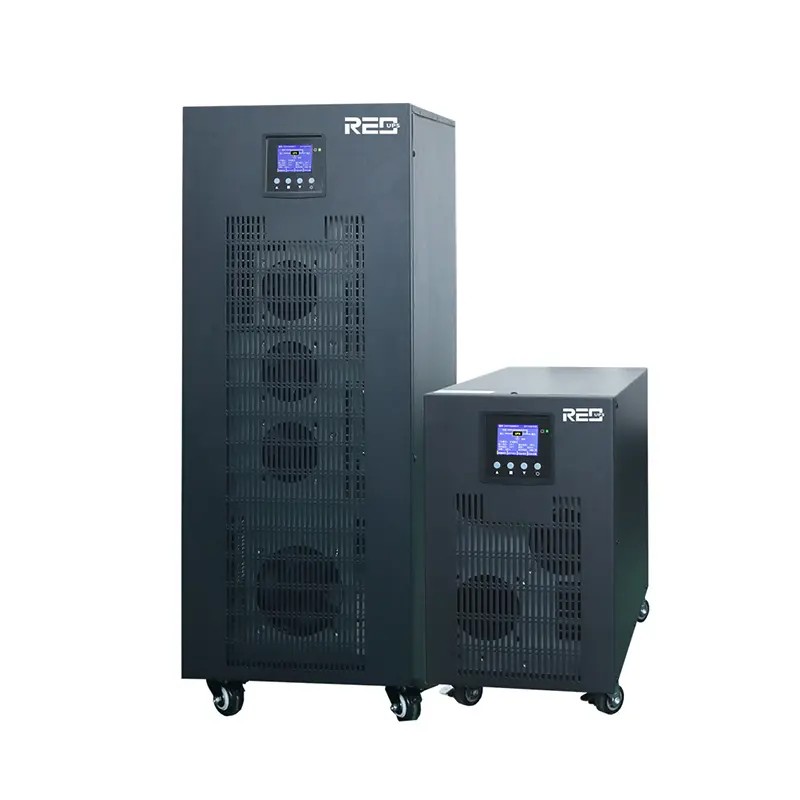
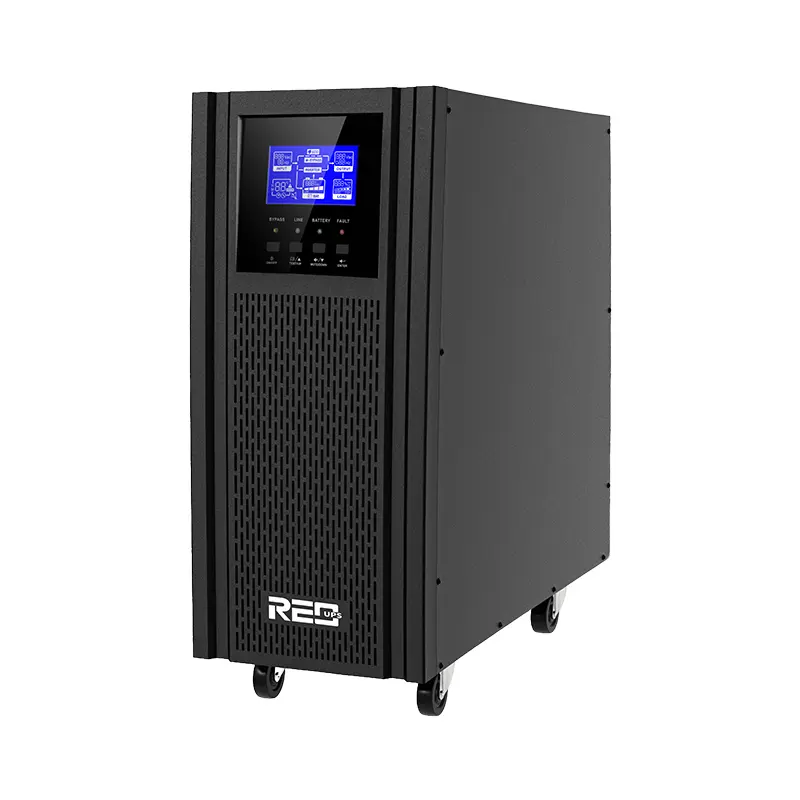
With R&D hubs in Pangyo and Seoul, laboratories require ultra-clean power. Our high-frequency online UPS systems filter out all harmonic distortions, protecting sensitive Korean research equipment.
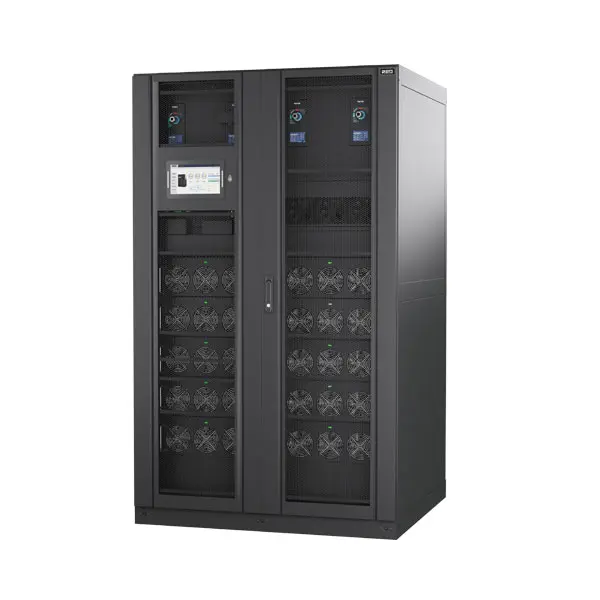
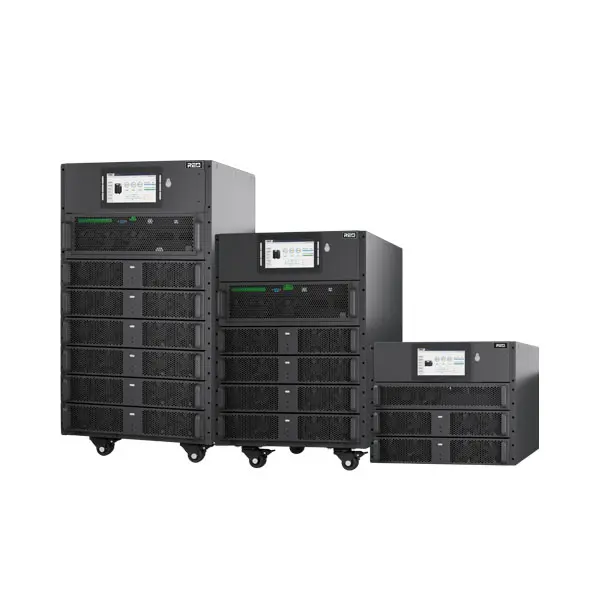
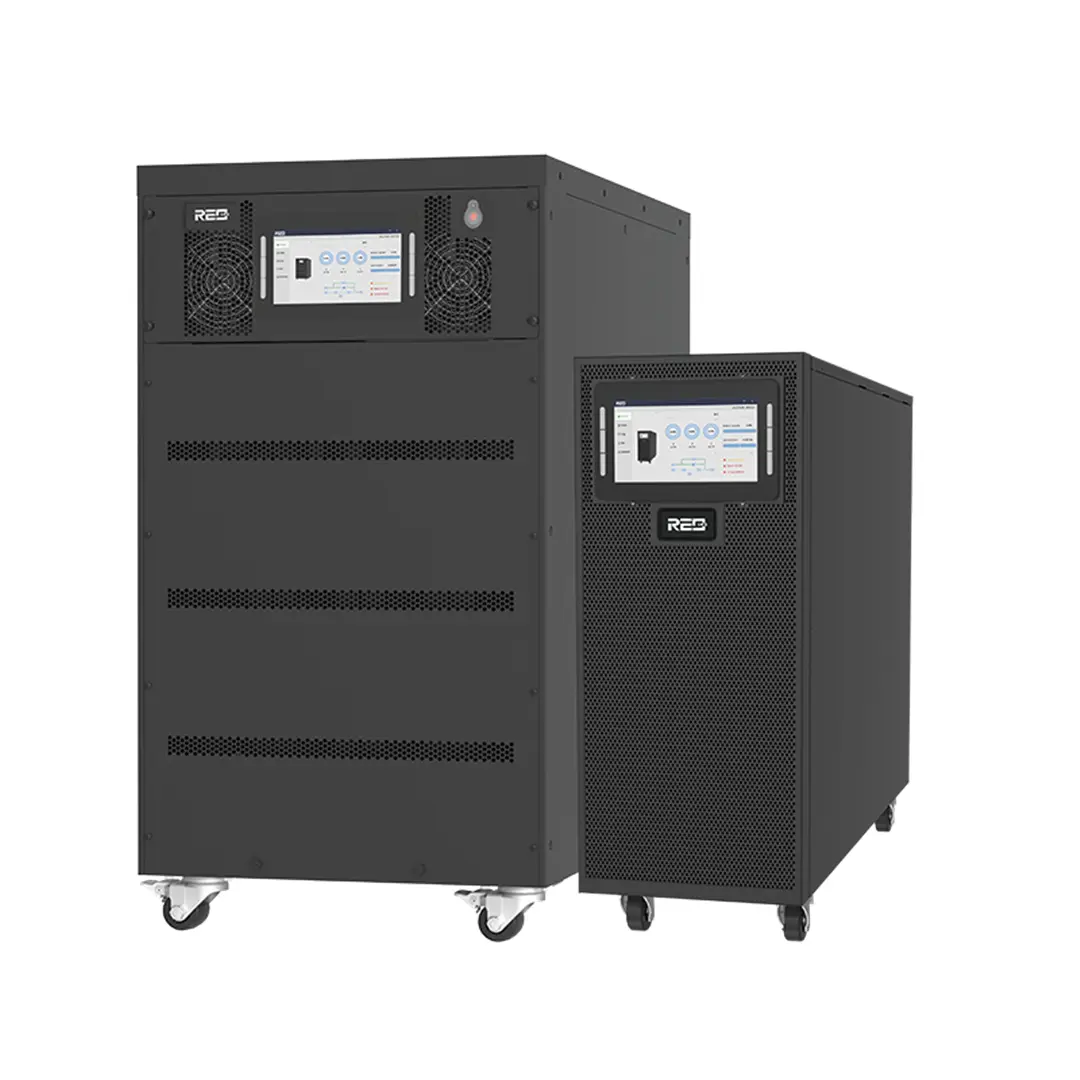
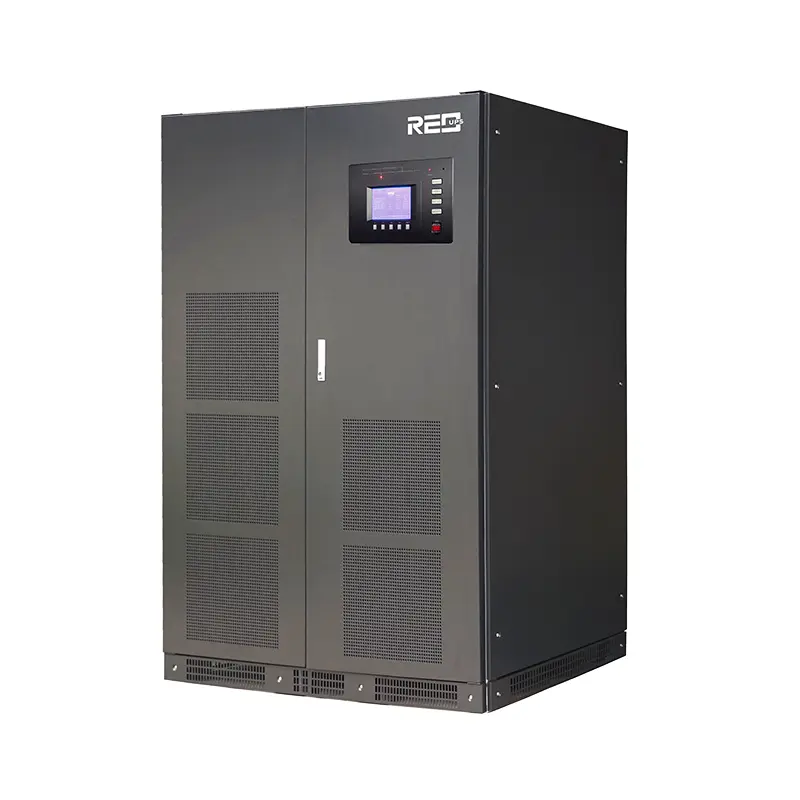
As South Korea leads in AI, data centers in Mok-dong and Sangam-dong require scalable modular power. Our 600KVA systems provide the N+1 redundancy required for Tier 4 data center standards.
Shenzhen REO Power Co., Ltd. serves as a critical Solar Inverter Factory for Seoul based distributors. With 10 precision production lines, we offer OEM/ODM services that allow Korean brands to customize software parameters and hardware designs to meet local KSC (Korea Standard Certificate) requirements.
Our quality control is second to none. Every unit destined for the Seoul market undergoes 100% burn-in testing for at least 8 hours, followed by ATE double testing. This rigorous process ensures that our Solar Inverter Supply remains the most reliable in the industry, minimizing maintenance costs in Seoul's expensive high-rent commercial districts.
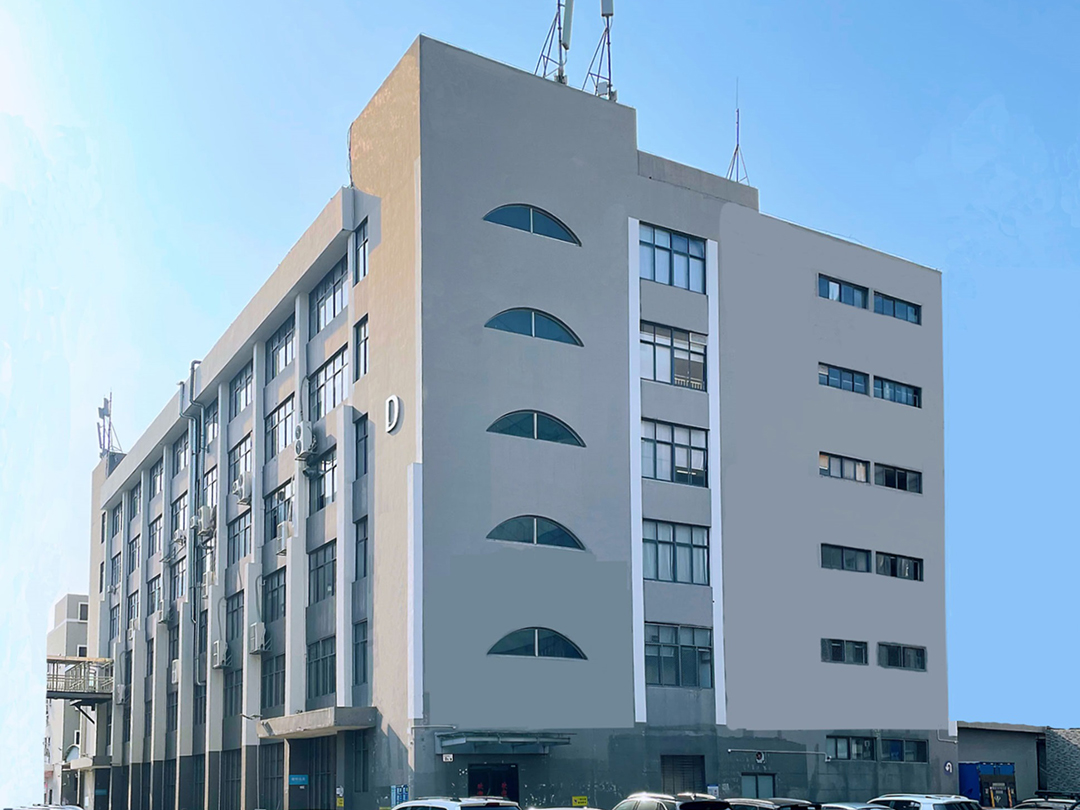
From residential solar to massive industrial UPS systems, we provide the backbone of Seoul's power infrastructure.
As the "Seoul Green New Deal" continues to drive investment into renewable energy, the role of a reliable Solar Inverter Supplier becomes paramount. The trend toward VPP (Virtual Power Plants) in South Korea is creating a need for inverters with high communication capabilities (RS485, SNMP, Wi-Fi). Our inverters are ready for this digital transformation, allowing centralized management of decentralized energy resources across Seoul’s 25 districts.
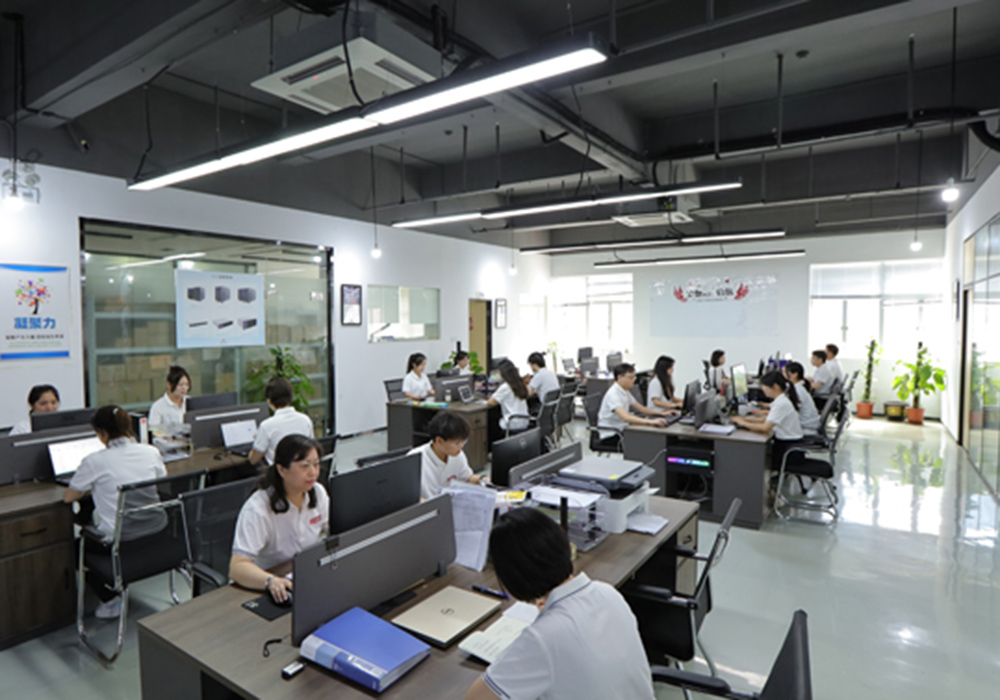
Choosing REO Power means partnering with a factory that blends Shenzhen’s manufacturing speed with the precision required by the South Korean market. Whether you are an installer in Incheon, a distributor in Seoul, or an EPC contractor for a government project, our team of English-speaking engineers is ready to provide the technical support and custom solutions you need to succeed in the competitive Korean energy landscape.
 REO UPS