In today's fast-paced business landscape, efficient supply chain management is crucial for success. One effective tool in this context is Smart Ups. Smart Ups integrate advanced technology to enhance operational capabilities. These systems not only streamline processes but also improve reliability and responsiveness.
Implementing Smart Ups requires careful planning and expertise. Many companies face challenges in integrating such systems into existing operations. It's essential to understand the specific needs of your supply chain. Customizing Smart Ups for unique requirements can lead to significant improvements. However, it's not always straightforward. Organizations must invest time and resources in training and adaptation.
The benefits of Smart Ups are evident yet should be approached with caution. Companies might expect immediate results, but transformation takes time. Reflecting on past implementations can provide valuable insights. Balancing expectations and reality is key to leveraging Smart Ups effectively.
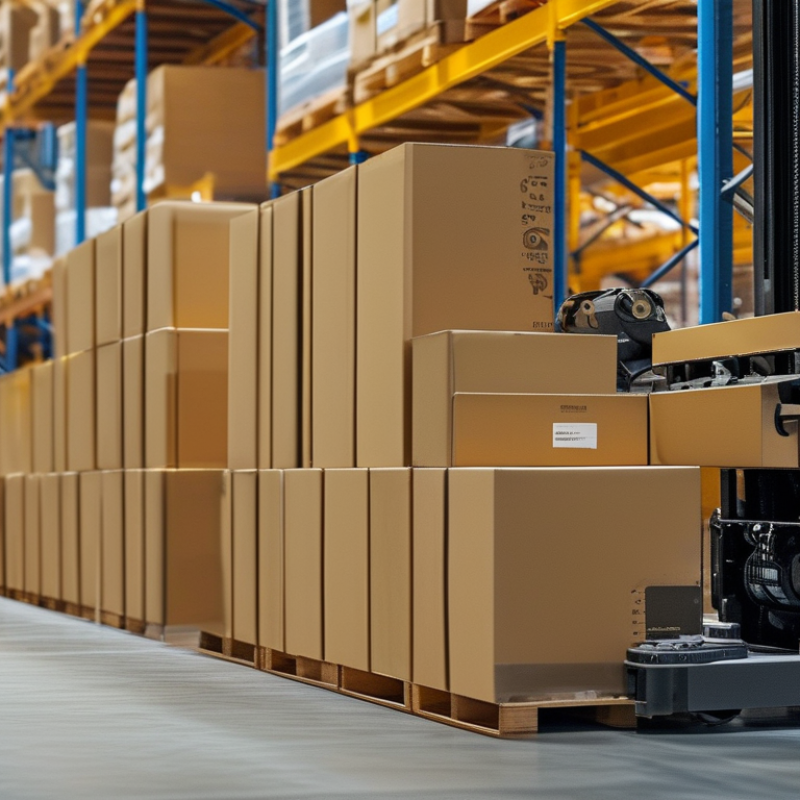
Smart Uninterruptible Power Supplies (UPS) are becoming integral to effective supply chain management. These devices ensure continuous power, crucial for warehouse operations and logistics. According to industry reports, a power outage can cost a business up to $60 billion annually in losses. Optimizing power supply enhances operational reliability, which is vital in maintaining service levels.
Understanding the role of smart UPS goes beyond just power. These systems offer real-time data on energy consumption. This insight enables businesses to make informed decisions regarding energy use and operational efficiency. Research indicates that companies using advanced UPS solutions can improve their uptime by up to 98%. While this is promising, organizations must regularly review their systems to ensure they're utilizing them optimally.
It is also important to acknowledge the limitations of smart UPS technology. Not every facility is equipped to handle these systems effectively. The cost of implementation can be significant, particularly for smaller firms. Balancing investment with potential ROI is an ongoing challenge. Therefore, evaluating specific needs is crucial for maximizing potential benefits. In an ever-evolving supply chain landscape, these technologies present opportunities and challenges that require careful consideration and adjustments.
: A Smart UPS provides uninterrupted power supply, ensuring critical processes run smoothly in supply chains.
Real-time monitoring tracks performance, identifies issues early, and sends alerts to managers to reduce downtime.
Yes, Smart UPS units are scalable and can adjust capacity based on fluctuating demands for resource management.
Regular check-ups prevent unexpected failures, ensuring continuous and reliable operation of the power supply system.
Training enhances productivity and helps employees understand the system, but companies often overlook this crucial human factor.
Some teams may struggle with training and adapting to new systems, which can impact initial performance.
Companies may see improved efficiency, reduced downtime, and better inventory management in supply chain operations.
Yes, empowering employees to provide feedback fosters a culture of awareness, leading to continuous improvement.
Smart UPS units offer flexible configurations that can integrate with various systems, boosting overall supply chain efficiency.
Success can be measured by reduced downtime, improved operational efficiency, and employee adaptability over time.
Smart UPS systems play a crucial role in enhancing supply chain efficiency by providing reliable power management and optimizing operational processes. These advanced uninterruptible power supplies are designed with key features such as energy efficiency, real-time monitoring, and robust scalability, which collectively contribute to streamlined supply chain operations. The integration of Smart UPS not only mitigates downtime but also leads to significant cost reductions, as highlighted by industry data reflecting the financial benefits achieved by enterprises that have adopted these systems.
To maximize the effectiveness of Smart UPS within existing supply chains, organizations should implement best practices during integration, ensuring compatibility with current infrastructure and operational workflows. Case studies demonstrate successful deployments of Smart UPS in various sectors, showcasing how these systems have transformed supply chains by improving reliability and efficiency. As businesses continue to evolve, Smart UPS will undoubtedly remain a vital component in the quest for enhanced supply chain management.

 REO UPS