Top Tips for Choosing the Best UPS Power Supply Options?

Time:2026-06-26 Author:Sienna
0%

Choosing the right UPS power supply can be a daunting task. With various options available, it’s essential to understand their importance. A good UPS power supply protects critical equipment from power fluctuations and outages. This functionality is crucial for businesses and home users alike.

Many factors should influence your decision. Consider power capacity, runtime, and the number of devices it will support. Each UPS model has different specifications. It is key to match these with your needs. Don’t overlook the importance of brand reliability and warranty options. Sometimes, a cheaper model may lack the necessary features or support.

In this guide, we’ll explore tips to help select the best UPS power supply for your situation. This is not just about function. Style, size, and user reviews also play a role in your final choice. Understanding what others have experienced can help guide your decision. It’s crucial to avoid common pitfalls in choosing the wrong UPS power supply.
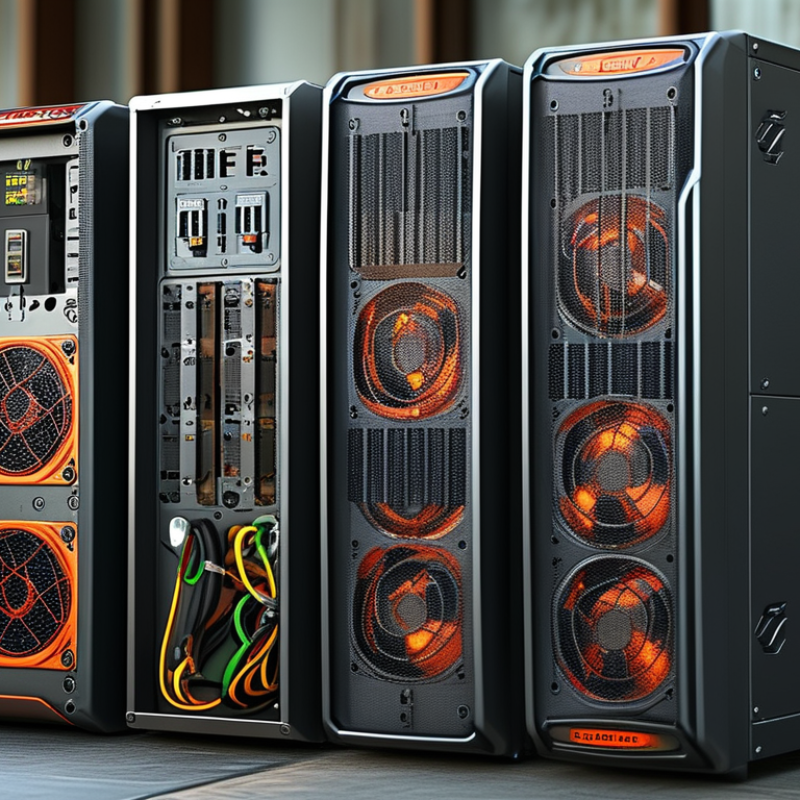
Top Tips for Choosing the Best UPS Power Supply Options?

Understanding UPS Power Supply and Its Importance

A UPS (Uninterruptible Power Supply) plays a crucial role in various settings. It provides backup power during outages and protects devices from surges. Understanding its importance is essential for both homes and businesses. Without a reliable UPS, sensitive electronics may suffer damage, and data loss could occur.

Choosing the right UPS requires careful consideration. Evaluate the total power requirements of your devices. This knowledge helps you select a unit with adequate capacity. Users often overlook the runtime. A brief outage might not justify a lengthy backup period. Reflect on how long you need power during an interruption.

Additionally, users may underestimate maintenance. Regularly check the battery’s health and replace it when necessary. Neglecting this can lead to surprising failures. Be mindful of the placement; ensure good airflow and accessibility. Sometimes, the most straightforward setups pose challenges. It’s vital to address these details to enhance reliability.

Top Tips for Choosing the Best UPS Power Supply Options

This bar chart illustrates the key factors to consider when selecting a UPS power supply, showcasing their relative importance based on user experiences.

Key Factors to Consider When Choosing a UPS Power Supply

Choosing the right UPS power supply is crucial for ensuring the reliability of your equipment. Several factors come into play when making this decision. Understanding your power needs is fundamental. Calculate the total wattage of devices requiring backup. This will help you select a UPS with the appropriate capacity.

Battery runtime is another significant consideration. Some users may prioritize longer backup times, while others might only need a few minutes. Evaluate your usage scenario. For critical systems, like servers, a powerful UPS with extended battery life is essential.

When reviewing options, check the UPS’s features. Look for items like surge protection and automatic voltage regulation. These enhance the performance and longevity of your devices. Many users overlook these aspects. Remember, investing in quality benefits your setup in the long run.

Make informed choices. Not every solution fits all scenarios. Reflect on your unique needs and usage patterns as you explore UPS options. Ensure that the decisions you make today will support your technology's future.

Different Types of UPS Systems and Their Applications

When choosing a UPS (Uninterruptible Power Supply) system, understanding the different types available is crucial. There are primarily three types: standby, line-interactive, and online UPS systems. Each serves a unique purpose and fits different needs. Standby UPS systems are commonly used for home and small office applications. They switch to battery power when the main supply fails, making them cost-effective.

Line-interactive systems are popular in environments where voltage fluctuations are common. They can regulate voltage without switching to battery, which extends battery life and provides better scalability for growing businesses. In contrast, online UPS systems offer continuous power, supplying clean and regulated electricity. This system is ideal for critical applications, such as data centers or medical facilities, where a momentary interruption could result in significant data loss or safety issues.

Choosing the right UPS can be challenging. Consider the power needs of your equipment. It's generally recommended to have a UPS that can supply at least 20-30% more power than your total equipment wattage. Regular maintenance is key for optimizing UPS performance and lifespan. In some reports, around 30% of UPS units fail during outages due to poor maintenance practices. This highlights the importance of selecting a reliable UPS and ensuring it's well-maintained.

Evaluating Power Capacity and Runtime Requirements

When selecting a UPS power supply, understanding power capacity and runtime requirements is crucial. Calculate the total wattage of all devices that will connect to the UPS. This includes computers, monitors, and any network equipment. Each device has its own power needs, so consider these factors carefully. A rough estimate will guide you in choosing a UPS that won’t fail you during power outages.

Runtime is another essential factor. Think about how long you need your devices to run on battery power during an outage. A UPS with a higher capacity often provides longer runtime. However, balance this with your budget. Overestimating your needs might lead to unnecessary expenses. If you connect more devices than planned, runtime decreases. Make sure to list critical devices first.

Remember, a UPS system does not just need adequate capacity. It should also be reliable. Research the manufacturer's reputation for quality and service. Reading consumer reviews can reveal insights into real-world performance. Reflect on your specific needs instead of settling for the first option. The right UPS should feel like a safeguard for your equipment, not a gamble.

Additional Features to Look for in a UPS Power Supply

When selecting a UPS power supply, additional features can significantly enhance performance. Look for models that offer automatic voltage regulation (AVR). This feature stabilizes output voltage levels, protecting sensitive equipment from surges and drops. According to the IEEE, it can prevent up to 70% of equipment damage caused by voltage fluctuations.

Another important aspect is sine wave output. Pure sine wave UPS systems are essential for seamlessly running sensitive electronics. They provide cleaner power, reducing the risk of overheating and equipment failure. A study from the Electric Power Research Institute (EPRI) indicates that devices benefit from up to 50% longer lifespans when powered by pure sine wave sources.

Monitoring capabilities also hold great value. Systems that include LCD displays or are compatible with software provide crucial real-time data. Users can track load levels, battery status, and runtime estimates. Reports show that real-time monitoring can improve system uptime by approximately 30%. It’s important to assess these features based on individual power needs. Neglecting to consider them may leave users with inadequate protection.

FAQS

: What is the main purpose of a UPS?

: A UPS provides backup power during outages and protects devices from power surges.

How do I choose the right UPS for my needs?

Evaluate the total power requirements of your devices, then select a unit with adequate capacity.

Why is maintaining a UPS important?

Regular maintenance, like checking battery health, prevents unexpected failures and extends UPS lifespan.

What types of UPS systems are available?

The main types are standby, line-interactive, and online UPS systems, each serving specific needs.

What is the benefit of automatic voltage regulation (AVR)?

AVR stabilizes output voltage, protecting equipment from surges and drops, thereby reducing damage.

Why is sine wave output important for UPS?

Pure sine wave output ensures clean power, enhancing performance and extending device lifespans.

How can monitoring capabilities improve UPS performance?

Real-time monitoring helps track load levels and battery status, potentially improving system uptime.

Is power capacity enough when selecting a UPS?

No, ensuring 20-30% excess capacity is recommended for reliability during outages.

What common mistake do users make when setting up a UPS?

Users often neglect proper placement, which can affect performance due to airflow issues.

How can I avoid UPS failures during outages?

Regular maintenance and proper knowledge of devices’ requirements can prevent UPS failures.

Conclusion

When selecting the best UPS power supply, it's crucial to understand its significance in protecting sensitive electronic equipment from power interruptions. A UPS power supply not only provides backup power but also ensures data integrity and system reliability during outages. Key factors include evaluating the intended application, assessing power capacity and runtime requirements, and considering various types of UPS systems, such as offline, line-interactive, and online systems, each suited for different environments.

Additionally, potential users should look for features such as surge protection, LCD displays for monitoring, and automatic voltage regulation, which enhance the effectiveness of a UPS power supply. By thoughtfully considering these elements, users can identify the most suitable UPS option that meets their specific needs, ensuring uninterrupted operation and peace of mind.


Sienna

Sienna

Sienna is a skilled marketing professional with a deep expertise in our company’s core products and services. With a passion for innovation and detail, she plays a pivotal role in crafting insightful blog posts that not only highlight the unique features of our offerings but also provide valuable......