What is a Single Phase UPS System and Its Benefits?

Time:2026-06-19 Author:Ethan
0%

In today's world, reliable power supply is crucial for both homes and businesses. Single Phase UPS Systems offer an efficient solution to this need. These systems provide uninterrupted power, ensuring that electronic devices function without interruption. They are popular in environments where a constant power supply is essential.

The benefits of Single Phase UPS Systems extend beyond simple power continuity. They protect against power surges and fluctuations that can damage sensitive equipment. Their compact design makes them suitable for smaller spaces, such as offices and residential areas. However, one must consider application requirements carefully. Single phase systems may not be ideal for larger businesses that require more power.

Despite their advantages, it's important to evaluate the limitations of Single Phase UPS Systems. Users might overlook battery replacement needs, leading to downtime during critical moments. Additionally, understanding load capacity is vital for optimal performance. Overall, these systems represent a valuable investment in power reliability, assuming the right conditions and maintenance are met.
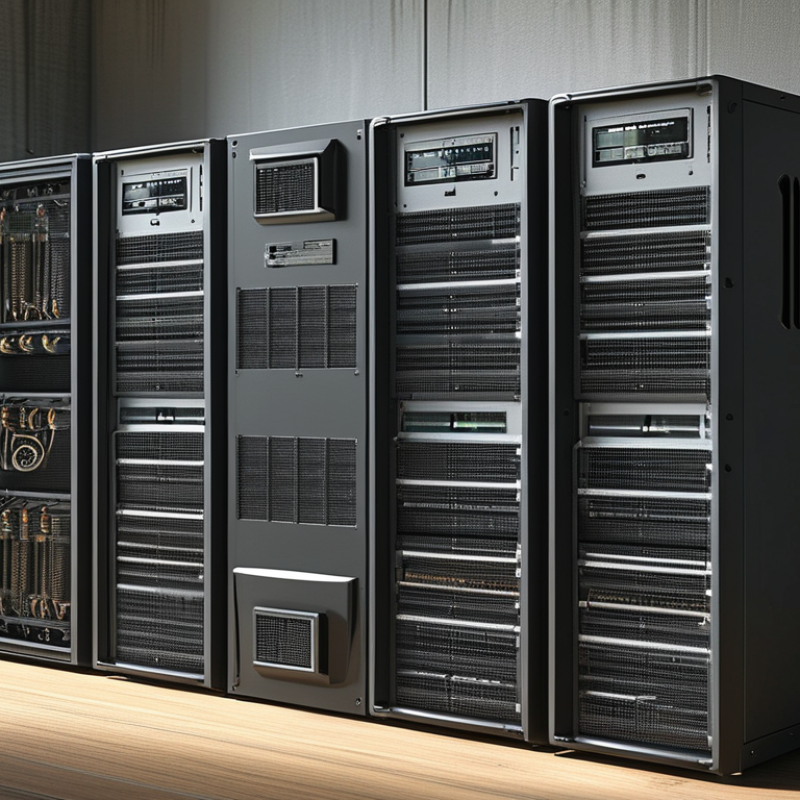
What is a Single Phase UPS System and Its Benefits?

Understanding the Basics of a Single Phase UPS System

A single-phase UPS (Uninterruptible Power Supply) system is crucial for many small to medium-sized businesses. It delivers reliable power during outages, ensuring that critical equipment remains operational. These systems are designed to support a range of devices, from computers to small servers. The technology behind UPS systems allows for seamless switching to battery power when needed.

One of the primary benefits of a single-phase UPS is its simplicity. Installation is easy and requires less space than three-phase systems. This makes it an excellent choice for offices with limited room. Another advantage is that they provide adequate power for essential operations without unnecessary complexity. However, some users may overlook the importance of battery maintenance. Regular checks are vital to ensure optimal performance.

Despite their many advantages, single-phase UPS systems have limitations. They are not suitable for very high loads. Businesses with extensive power needs might find these systems lacking. Understanding these constraints can help in making informed decisions. Awareness of your power requirements can lead to better choices. Overall, recognizing the strengths and limitations of single-phase UPS systems is essential for effective power management.

What is a Single Phase UPS System and Its Benefits?

Feature Description Benefits
Power Capacity Typically ranges from 500VA to 3000VA Supports small businesses and home offices
Output Waveform Modified Sine Wave or Pure Sine Wave Suitable for sensitive electronics with pure sine wave
Backup Time Varies from a few minutes to hours depending on load Ensures uninterrupted power during outages
Efficiency Efficiency rating of around 90-95% Reduces energy consumption and costs
Form Factor Tower or rack-mounted options Flexible installation for different environments
Maintenance Limited maintenance required, with easy battery replacement User-friendly for small office setups

Key Components of a Single Phase UPS System: An Overview

A Single Phase UPS (Uninterruptible Power Supply) system is essential for maintaining power continuity. Understanding its components is key to optimizing its performance. The main components of a Single Phase UPS include the rectifier, inverter, battery, and control circuitry. Each plays a crucial role in the overall function of the system.

The rectifier converts incoming AC power into DC power. This is essential for charging the battery and powering the inverter. The inverter, on the other hand, transforms DC power back into AC power when the main supply fails. The battery acts as a backup, providing essential energy during outages. Lastly, the control circuitry manages these components, ensuring efficient operation.

While the benefits of a Single Phase UPS are clear, there are challenges as well. Selecting the right size or type can be difficult. It's important to assess the load requirements accurately. Users often overlook this, leading to improper performance. Regular maintenance checks are necessary as well. Neglect can result in reduced reliability when power is critical.

Operational Efficiency: How Single Phase UPS Delivers Reliability

A single phase UPS (Uninterruptible Power Supply) plays a vital role in ensuring operational efficiency in various settings. This system provides a reliable power source when utility power fails. Critical equipment like computers and servers need constant power. A single phase UPS delivers clean, consistent power, significantly reducing downtime.

Operational efficiency hinges on reliability. A single phase UPS can prevent data loss and hardware damage. It ensures systems remain operational during outages. This reliability boosts productivity across different sectors. Employees can focus on their tasks without the worry of sudden power cuts.

Tips: Regular maintenance of your UPS will prolong its lifespan. Always check battery health to avoid unexpected failures. Consider the power load to ensure the UPS meets your requirements. Balancing power needs will enhance efficiency and overall functionality.

Benefits of a Single Phase UPS: Versatility for Small to Medium Loads

A single-phase UPS (Uninterruptible Power Supply) system is essential for various small to medium loads. These systems play a crucial role in ensuring power reliability for sensitive electronics. They can handle loads ranging from a few hundred watts to several kilowatts. This makes them ideal for office equipment like computers, monitors, and network devices. According to industry reports, around 60% of small to medium-sized businesses use single-phase UPS systems, highlighting their importance in power management.

One significant benefit of a single-phase UPS is its versatility. These systems can adapt to different power requirements. Many businesses face fluctuating energy demands. A single-phase UPS can efficiently support critical operations during such fluctuations. In fact, a recent study indicates that companies with robust backup solutions report 30% fewer downtime incidents. This not only saves time but also reduces financial losses tied to power interruptions.

However, there are challenges. Sometimes, users underestimate the required capacity. Selecting an undersized UPS can lead to overloads. Moreover, maintenance might be overlooked, resulting in inefficient operation. Users should regularly assess their energy needs. This proactive approach can improve reliability and performance. Understanding these dynamics is crucial for optimizing power solutions in any business environment.

Benefits of a Single Phase UPS System

Market Trends: The Growth of Single Phase UPS Systems in Industry

The market for single phase UPS systems is experiencing significant growth. According to a recent report by MarketsandMarkets, the global single-phase UPS market is projected to reach $4.75 billion by 2026, growing at a CAGR of 5.8%. This growth is driven by increased demand for uninterrupted power supply in various industries, particularly healthcare, IT, and telecommunications.

More organizations recognize the importance of reliable power support. Single phase UPS systems are ideal for smaller setups, ensuring essential equipment remains operational during power outages. Their compact size makes them suitable for small and medium-sized enterprises. The trend reflects a shift toward digitalization, prompting businesses to invest in infrastructure that guarantees efficiency and productivity.

***Tips:*** Consider assessing your power needs before investing in a UPS system. An accurate evaluation will help you choose the right capacity. Also, regular maintenance is crucial to maximize the lifespan of UPS systems. Some organizations overlook this aspect, leading to unexpected failures.

As industries evolve, the role of single phase UPS systems becomes more critical. Their adaptability to various applications ensures they remain relevant. However, businesses should evaluate their unique needs carefully. Not all solutions are one-size-fits-all; thoughtful consideration can prevent costly mistakes.

FAQS

: What key components are in a Single Phase UPS system?

: A Single Phase UPS includes a rectifier, inverter, battery, and control circuitry. Each performs a vital role.

How does the rectifier function in a UPS?

The rectifier converts incoming AC power into DC power for charging the battery and powering the inverter.

What does the inverter do when there’s a power failure?

The inverter converts DC power back to AC power, supplying energy during outages.

Why is battery health important in a UPS?

A healthy battery ensures reliable power during outages. Neglecting it can lead to unexpected failures.

What challenges arise when selecting a UPS?

Users often misjudge load requirements, leading to inefficiency. Proper assessment is crucial for optimal performance.

How can regular maintenance impact a UPS system?

Consistent maintenance prolongs lifespan and enhances reliability. Overlooking this can lead to reduced effectiveness.

Why is operational efficiency important for businesses?

Reliability prevents data loss and equipment damage, allowing employees to work without interruptions from power cuts.

What market trends are affecting Single Phase UPS systems?

Increased demand in healthcare and IT is driving market growth. Businesses are investing for better infrastructure.

How can businesses avoid costly mistakes with UPS solutions?

Careful evaluation of unique power needs helps in choosing the appropriate system. One size doesn’t fit all.

What should organizations consider before purchasing a UPS?

They should assess power needs accurately. This ensures the UPS has the right capacity for their requirements.

Conclusion

Single Phase UPS Systems are essential components in ensuring uninterrupted power supply for small to medium loads. Understanding their fundamentals, including key components like batteries, inverters, and control systems, is crucial for assessing their operational efficiency. These systems are designed to deliver reliable performance, making them a popular choice across various industries.

The versatility of Single Phase UPS Systems allows them to adapt to diverse applications, particularly for businesses that require constant power but operate on a smaller scale. As market trends indicate a growing demand for efficient energy solutions, the adoption of Single Phase UPS Systems is likely to rise, further enhancing their role in modern power management and supporting the increasing reliance on electronic systems in everyday operations.


Ethan

Ethan

Ethan is a seasoned marketing professional with a deep expertise in our company's innovative product line. With a passion for sharing knowledge and insights, he takes the lead in regularly updating our corporate blog, where he explores industry trends, product features, and effective marketing......