Lithium Ion UPS Systems are becoming crucial in today's power management landscape. These systems offer efficient, reliable backup power solutions for critical applications. According to a recent report by MarketsandMarkets, the lithium-ion UPS market is projected to grow at a compound annual growth rate (CAGR) of 17.3% from 2021 to 2026. This rapid growth reflects the increasing demand for renewable energy and sustainable power solutions.
Dr. Emily Chen, a leading expert in energy storage systems, states, "The future of power management lies in the efficiency and longevity of Lithium Ion UPS Systems." Her insights highlight how these systems not only enhance performance but also contribute positively to energy sustainability efforts. Many industries are transitioning to lithium-ion solutions, acknowledging the shortcomings of traditional lead-acid batteries.
Despite these advancements, some challenges remain. Cost implications and initial investment for lithium-ion systems can be a barrier for smaller businesses. Additionally, there are concerns about recycling and disposal. As organizations consider these factors, it's essential to weigh the long-term benefits against the initial hurdles. Ultimately, the journey toward adopting Lithium Ion UPS Systems requires careful thought and consideration.
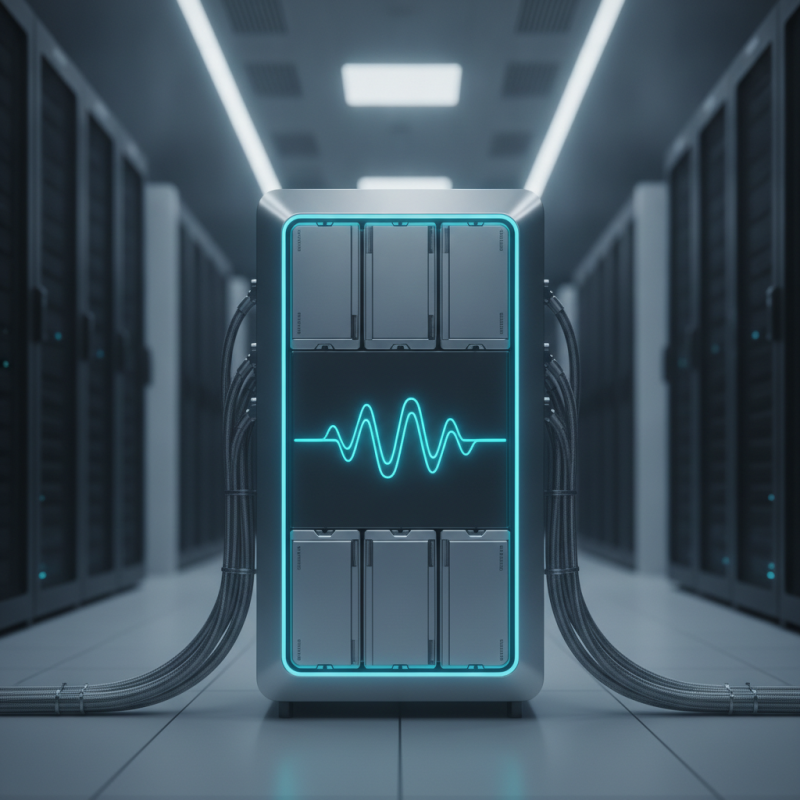
A Lithium Ion UPS (Uninterruptible Power Supply)
system offers reliable backup power in times of need. It utilizes lithium-ion batteries, known for their efficiency and longer lifespan compared to traditional lead-acid batteries. This technology enables the system to provide power instantly during outages, keeping critical devices running smoothly.
One of the key advantages of lithium-ion UPS systems
is their high energy density. This means they can store more energy in a smaller space. They also charge quickly, reducing downtime. However, their initial cost can be higher than traditional systems. It's important to evaluate your needs before investing.
Tips:
When choosing a lithium-ion UPS, consider the power capacity you require. Assess your devices and estimate their total power consumption. Regular maintenance is essential, too. Ensure that the system is checked periodically for optimal performance. This can prevent potential failures during crucial moments.
A Lithium Ion Uninterruptible Power Supply (UPS) system comprises several key components that ensure reliable power backup. The heart of the system is the lithium-ion battery. This type of battery offers a high energy density, which allows for a longer lifespan and reduced weight compared to traditional lead-acid batteries. In fact, lithium-ion batteries can last up to 10 years with proper management, according to the International Energy Agency.
Another critical component is the inverter. It converts direct current (DC) from the battery into alternating current (AC) for use by electrical devices. The efficiency of these inverters can reach up to 95%, minimizing energy loss during conversion. This efficiency is vital for maximizing performance, especially for larger systems. The battery management system (BMS) is equally essential. It monitors the battery's health and charge levels, preventing over-discharge and ensuring safe operation. In 2021, research noted that a well-configured BMS could extend battery life by up to 20%.
While these components are impressive, they are not without challenges. For example, lithium-ion batteries can be sensitive to temperature, which may lead to performance degradation. Additionally, the initial cost of a lithium-ion UPS system can be higher than alternatives, although total cost of ownership tends to be lower over time. Ensuring proper installation and maintenance is crucial to realize the long-term benefits.
Lithium-ion technology has transformed the landscape of uninterruptible power supplies (UPS). Its compact design and high energy density make it a superior choice for safeguarding critical systems. These batteries charge quickly, providing steady power during outages. This rapid response reduces downtime and enhances reliability for businesses.
One key advantage of lithium-ion UPS systems is their longer life cycle. Traditional lead-acid batteries require frequent replacements. In contrast, lithium-ion batteries can last up to ten years. This longevity reduces the need for ongoing maintenance and offers cost savings over time. Consider the space saved by using smaller, lightweight lithium-ion solutions. They fit easily in tight environments.
Tip: Regularly test your UPS system to ensure optimal performance. Even high-quality lithium-ion batteries can face issues if not maintained.
While the benefits are significant, it's essential to monitor battery health. Overcharging or extreme temperatures can impact performance. This serves as a reminder to manage conditions and usage carefully. Keeping an eye on charge cycles will help in maintaining efficiency and lifespan.
Lithium-ion and lead-acid UPS systems serve similar purposes, yet they differ significantly in design and performance. Lithium-ion batteries boast higher energy density compared to lead-acid batteries, resulting in more power stored in a smaller and lighter footprint. This makes them ideal for applications where space and weight are crucial, such as in data centers or remote installations.
Lead-acid systems, while more established, have limitations. They generally require more maintenance and have shorter lifespans. Users often find themselves replacing lead-acid batteries every few years, which can lead to higher long-term costs. Conversely, lithium-ion systems can last a decade or more, reducing replacement frequency. The upfront cost for lithium-ion is higher, but their longevity can yield savings over time.
Charging times are another point of comparison. Lithium-ion batteries recharge faster, which is critical during unexpected power outages. In contrast, lead-acid batteries take longer to charge. This difference can significantly impact how quickly systems can resume normal operation after an outage. However, the need for specialized charging equipment for lithium-ion may pose challenges for some users. Overall, choosing between these two systems requires careful consideration of one's specific needs and circumstances.
Lithium-ion Uninterruptible Power Supply (UPS) systems are gaining traction across various industries due to their efficiency and reliability. These systems found their place in essential sectors like healthcare, data centers, and telecommunications. In healthcare, for example, they provide power during emergencies, ensuring critical devices operate without interruption. Timely power backups can save lives, showcasing the reliability of lithium-ion technology.
Moreover, the trend is shifting towards sustainable energy solutions. Lithium-ion UPS systems are more environmentally friendly compared to traditional lead-acid batteries. They offer longer life cycles and reduced maintenance requirements. This shift aligns with corporate sustainability goals. Businesses are increasingly adopting green technologies as part of their operational strategies.
However, the high initial investment can be a barrier for some organizations. Many still weigh the benefits against upfront costs. It's crucial to find the right balance between cost and long-term efficiency. Some potential users might overlook these advantages. As technology evolves, it’s essential to revisit and assess what lithium-ion UPS solutions can offer.
| Dimension | Description |
|---|---|
| Battery Chemistry | Lithium-ion batteries offer high energy density, reduced weight, and minimal self-discharge. |
| Cycle Life | Typically ranges from 2,000 to 10,000 cycles depending on usage and conditions. |
| Efficiency | High efficiency rates of up to 95% in converting stored energy to usable power. |
| Typical Applications | Data centers, industrial automation, telecommunications, and renewable energy systems. |
| Market Trends | Increasing adoption of lithium-ion UPS in sectors focusing on sustainability and green energy solutions. |
| Environmental Impact | Lower carbon footprint compared to traditional lead-acid UPS systems due to enhanced efficiency and longevity. |
: A Lithium Ion UPS system provides reliable backup power using lithium-ion batteries. They offer higher efficiency than traditional options.
Lithium-ion batteries have a longer lifespan and charge faster. They can last up to ten years compared to lead-acid batteries.
Calculate the total power consumption of all devices. This helps in determining the necessary power capacity for the lithium-ion UPS.
Regular checks are vital for optimal performance. Periodic testing can prevent unexpected failures during crucial times.
Yes, extreme temperatures and overcharging can impact battery performance. Monitor usage and conditions regularly.
The initial cost of lithium-ion UPS systems can be higher. Evaluating investment needs is important before purchasing.
A Lithium Ion UPS System is a modern uninterruptible power supply that utilizes lithium ion battery technology to provide reliable backup power. This system is composed of key components including the battery pack, inverter, and charging unit, all of which work together to ensure efficient energy management and swift power delivery during outages. The advanced chemistry of lithium ion batteries allows for enhanced performance over traditional systems, offering higher energy density, faster charging times, and longer lifespans.
In comparing Lithium Ion UPS Systems to traditional lead-acid systems, significant advantages emerge in terms of size, weight, and lifecycle costs. Industries are increasingly adopting these solutions due to trends emphasizing sustainability and efficiency, allowing for greater flexibility in various applications, from data centers to healthcare facilities. As technology continues to evolve, Lithium Ion UPS Systems are set to play a pivotal role in protecting critical infrastructures against power disruptions.

REO UPS