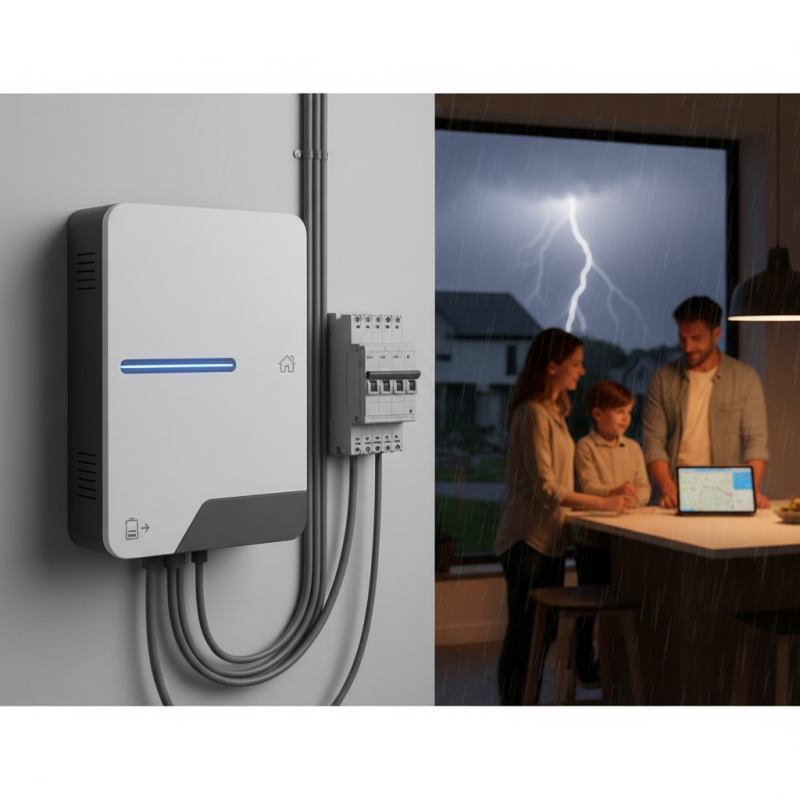
Lithium Backup Power has emerged as a vital solution for energy resilience. This innovative technology utilizes lithium-ion batteries to provide backup energy when conventional sources fail. Imagine being in a storm, with power outages disrupting daily life. In these moments, Lithium Backup Power systems can keep essential devices running.
These systems work by storing energy in rechargeable lithium batteries. When the grid goes down, the stored energy is readily available. Many homes and businesses use these systems to maintain operations. They are compact, efficient, and environmentally friendlier compared to traditional backup generators. However, there are challenges. Initial costs can be significant. Users must also consider battery lifespan and maintenance.
Lithium Backup Power is revolutionary, yet it requires careful thought. Users should assess their energy needs thoroughly. Over-reliance on any single technology can lead to vulnerabilities. Understanding both the benefits and drawbacks helps create a balanced approach to power management.
What is Lithium Backup Power?
Lithium backup power systems have gained popularity in recent years. They serve as reliable alternatives to traditional power sources during outages. These systems use lithium-ion batteries known for their efficiency and longevity. Industry reports indicate that lithium batteries can last up to 10 years, depending on usage and maintenance. Their energy density is significantly higher than lead-acid batteries, offering more power in a smaller footprint.
Battery performance is influenced by several factors. Temperature variations can impact efficiency. A report from the Battery Innovation Center notes that optimal performance is between 20°C and 25°C. Vulnerabilities exist as well, such as limited cycle life in extreme conditions. Users might face unexpected degradation in performance if not monitored properly. Additionally, the initial investment for lithium systems is often higher than traditional options, which can deter some consumers.
Despite these challenges, lithium backup power offers distinct advantages. They charge faster and discharge energy more effectively. Data shows that these systems can withstand thousands of charge cycles, a notable feat compared to conventional batteries. However, the technology is still evolving, and drawbacks need consideration. For instance, improper disposal of lithium batteries can lead to environmental issues. This necessitates responsible management practices to ensure safe usage.
The Chemistry Behind Lithium Batteries
Lithium batteries are a backbone of today’s energy solutions. Their chemistry is fascinating and critical for understanding lithium backup power. At the core are lithium ions. These ions move between the anode and cathode during charge and discharge cycles. The simple movement results in storing and delivering energy efficiently.
Using lithium hydroxide and cobalt oxide is common in battery production. Reports indicate that these materials can yield energy densities up to 250 Wh/kg. This is substantially higher than traditional lead-acid batteries, which average around 30 Wh/kg. This efficiency is crucial, especially in applications like electric vehicles or renewable energy sources.
Tip: When choosing a lithium battery system, consider the depth of discharge (DoD). A higher DoD extends how much of the battery’s capacity can be effectively used.
Despite the benefits, there are concerns. Manufacturing lithium batteries often involves significant environmental costs. Water usage and land degradation are notable issues. Moreover, battery life can degrade over time. Users might face capacity loss sooner than expected.
Tip: Regularly monitor battery health. Implementing maintenance strategies can prolong battery life and enhance performance.
What is Lithium Backup Power and How Does It Work? - The Chemistry Behind Lithium Batteries
| Property |
Description |
Typical Values |
| Energy Density |
Amount of energy stored per unit mass |
150-250 Wh/kg |
| Cycle Life |
Number of charge/discharge cycles before significant capacity loss |
500-2000 cycles |
| Self-Discharge Rate |
Rate at which a battery loses its charge when not in use |
<1% per month |
| Operating Temperature |
Range of temperatures for optimal performance |
-20°C to 60°C |
| Charge Time |
Time taken to fully charge a battery |
1-3 hours |
| Voltage |
Standard voltage output of lithium batteries |
3.6-3.7 V per cell |
How Lithium Backup Systems Function
Lithium backup systems are designed to provide reliable power during outages. They consist of lithium-ion batteries, which are known for their efficiency and longevity. When the main power goes out, these systems seamlessly switch on to ensure continued energy supply.
The operation of lithium backup systems is quite straightforward, yet essential. When fully charged, these batteries store energy from the grid. They can also charge from renewable sources like solar panels. When demand arises, the stored energy is quickly released to power essential devices, such as lights and appliances. This response is typically very fast, minimizing disruptions.
While these systems offer several advantages, they aren’t without challenges. Improper installation can lead to inefficiencies. Additionally, their performance may vary based on temperature and discharge cycles. Users often overlook the importance of regular maintenance. Understanding these intricacies can enhance their effectiveness and longevity.
Advantages of Using Lithium for Backup Power
Lithium batteries are transforming backup power solutions across various sectors. They boast impressive energy density, enabling them to store more energy in a smaller package. Reports indicate that lithium batteries can last up to 10 years, significantly reducing the frequency of replacements. This longevity is a key advantage for both residential and commercial users, ultimately lowering costs over time.
In addition to their lifespan, lithium batteries charge quickly. According to industry studies, they can reach full charge in a fraction of the time compared to traditional batteries. This rapid charging capability ensures that backup power is readily available when needed most. The efficiency of lithium technology also means fewer energy losses during charging and discharging, enhancing overall system performance.
Tips: Regular monitoring of battery health is essential. Consider using a smart management system for optimal performance. Also, ensure proper ventilation to prevent overheating during charging. It’s worth noting that while lithium batteries are more efficient, they do require careful handling. Mismanagement can lead to safety concerns. Always follow manufacturer guidelines to mitigate risks.
Applications of Lithium Backup Power Solutions
Lithium backup power solutions have become essential in various sectors. Their deployment spans across telecommunications, renewable energy, and critical infrastructure. According to a 2022 industry report, the lithium-ion backup power market is projected to grow by 15% annually until 2030. This growth highlights the increasing reliance on these solutions.
In telecommunications, lithium backup power ensures uninterrupted service. For example, it supports cell towers during outages, maintaining network reliability. A survey indicated that 30% of telecom operators are implementing lithium solutions to improve service efficiency. Similarly, in renewable energy, lithium batteries store excess solar energy for use at night. This application can enhance energy independence, but it also raises questions about storage longevity and environmental impact.
However, the integration of lithium backup systems is not without challenges. Issues related to battery disposal and recycling need to be addressed. The average lifespan of a lithium battery is around 7 to 15 years, but what happens afterward? Continuous innovation is necessary to create sustainable solutions. As the market expands, we must reflect on the entire lifecycle of lithium technologies.
Applications of Lithium Backup Power Solutions
This chart illustrates the capacity in megawatt-hours (MWh) of various applications utilizing lithium backup power solutions. Home energy storage systems show significant capacity to support residential energy needs, while electric vehicles and UPS solutions also play a crucial role in providing reliable backup power. The integration of lithium batteries in solar energy systems and telecommunications further demonstrates their versatility and importance in today's energy landscape.
Conclusion
Lithium Backup Power refers to systems that utilize lithium batteries to provide reliable energy storage and backup solutions during power outages or outages. These batteries leverage the unique chemistry of lithium, allowing for high energy density, faster charging times, and longer lifespans compared to traditional battery technologies. Understanding how lithium backup systems function reveals their intricate design, which includes an efficient management system that optimizes performance and safety.
The advantages of using lithium for backup power are significant, as these systems are lighter, more efficient, and environmentally friendly. Their applications span various settings, including residential, commercial, and industrial environments, ensuring that critical operations continue seamlessly during power disruptions. Overall, Lithium Backup Power presents a forward-thinking approach to energy management, blending innovation with practical utility.

 REO UPS