In today’s fast-paced global market, the importance of High Frequency UPS cannot be overstated. According to a report by MarketsandMarkets, the UPS market is projected to reach $18.3 billion by 2026, growing at a CAGR of 6.3%. This growth reflects a heightened need for reliable power solutions in procurement processes. Companies increasingly rely on these systems to ensure uninterrupted operations amid rising demand for efficiency.
High Frequency UPS systems offer superior performance and compact design, making them ideal for modern supply chains. Their ability to maintain power quality is critical, especially in industries where data integrity is paramount. A study revealed that power interruptions can cost businesses up to $150,000 per incident, emphasizing the need for robust power solutions. However, some organizations still underestimate the long-term benefits of investing in high-quality UPS systems.
Sustainability and energy efficiency are also vital factors in procurement today. High Frequency UPS can contribute to greener practices through energy savings and reduced emissions. Yet, businesses must evaluate their specific needs carefully. Sometimes, they overlook common pitfalls, such as underestimating load requirements or neglecting maintenance schedules. Recognizing these aspects ensures that businesses make informed decisions in their procurement strategies.
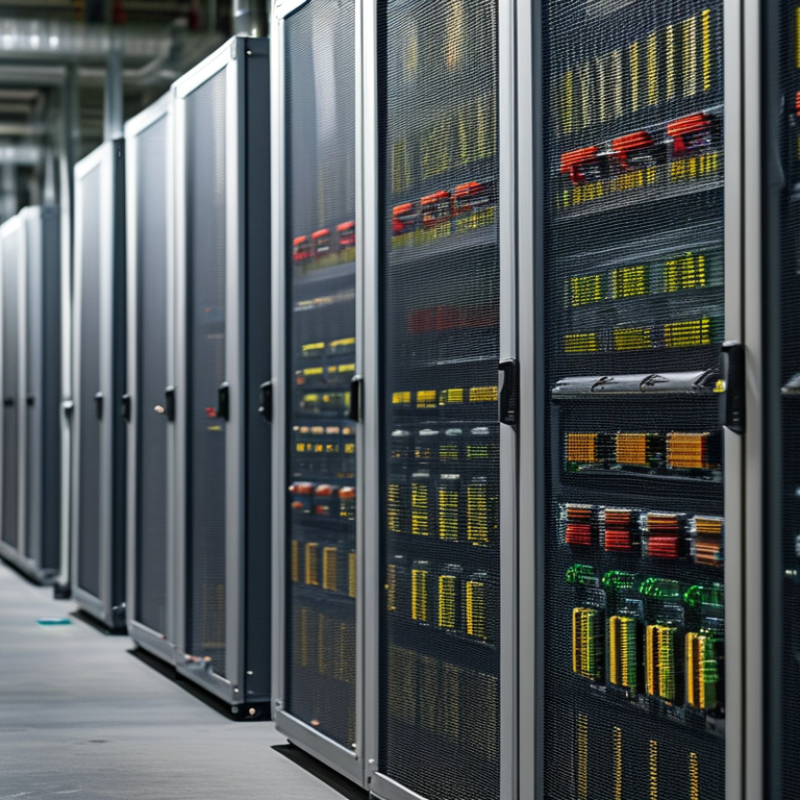
The Role of High Frequency UPS in Modern Procurement Processes
High-frequency uninterruptible power supplies (UPS) play a vital role in modern procurement processes. They enhance productivity by ensuring continuous power supply, especially during critical operations. This reliability in energy supply translates into smoother procurement workflows.
Many procurement tasks rely heavily on technology. Companies need to maintain operations without interruptions. High-frequency UPS can prevent data loss and reduce downtime. They support essential equipment, safeguarding against power-related disruptions. Procurement teams must prioritize energy efficiency for sustainability.
Tip: Regularly assess your power needs to ensure your UPS system matches current demand.
In a fast-paced procurement landscape, having a reliable power source is not optional.
High-frequency UPS systems are designed for swift response, offering rapid battery recharge and reduced energy consumption. However, frequent maintenance checks are necessary to ensure optimal performance. Evaluating your system can reveal potential weaknesses.
Tip: Schedule regular maintenance to avoid costly downtimes.
Ultimately, high-frequency UPS systems contribute significantly to a resilient procurement process. Procurement professionals should invest in quality solutions. Continuous research into power efficiency and reliability will yield long-term benefits. The evolving nature of procurement demands that businesses remain proactive in energy management.
Key Advantages of High Frequency UPS for Global Supply Chains
In today's global supply chains, the role of high frequency uninterruptible power supplies (UPS) cannot be overstated. These systems provide a stable power source, ensuring that critical operations continue uninterrupted. According to industry reports, more than 80% of businesses experience power disturbances annually. High frequency UPS systems significantly reduce risks associated with these disturbances.
One key advantage is their efficiency. They typically have a smaller footprint, making them ideal for dense environments. This efficiency translates to lower operating costs. A study by the International Energy Agency found that high frequency UPS can save up to 30% in energy compared to traditional models. This substantial cost saving is critical for industries relying heavily on electronic systems, such as warehousing and distribution.
**Tip:** Always assess your power requirements. This helps in selecting the appropriate UPS model.
High frequency UPS systems offer faster response times and better performance. In a recent survey, over 60% of logistics managers reported that delays due to power outages could lead to significant financial losses. These UPS systems can handle sensitive equipment more effectively, reducing potential damage and maintenance costs. However, businesses must be aware of their limitations. Not all models are designed for extreme conditions, and periodic maintenance is essential.
**Tip:** Regularly inspect and service your UPS systems. Proper maintenance can extend their lifespan.
Why Are High Frequency UPS Essential for Global Procurement? - Key Advantages of High Frequency UPS for Global Supply Chains
| Advantage |
Description |
Impact on Supply Chain |
Rating (1-5) |
| Compact Size |
High frequency UPS systems are smaller and lighter than traditional UPS. |
Easier installation and reduced warehouse space consumption. |
4 |
| Efficiency |
Higher efficiency rates lead to lower energy costs. |
Cost savings and enhanced sustainability of operations. |
5 |
| Flexible Configuration |
Can be easily integrated with existing power systems. |
Improved adaptability in diverse environments. |
4 |
| Advanced Technology |
Utilizes state-of-the-art components for superior performance. |
Enhanced reliability and reduced downtime. |
5 |
| Lower Total Cost of Ownership |
Longer lifespan and reduced maintenance costs. |
Overall cost efficiency throughout the product lifecycle. |
5 |
Impact of Reliability and Efficiency on Procurement with High Frequency UPS
High frequency uninterruptible power supplies (UPS) are crucial in global procurement strategies. They ensure that critical systems remain operational. Recent studies indicate that power outages can lead to financial losses averaging $7 billion annually for businesses worldwide. Therefore, reliability in power supply directly impacts procurement efficiency.
High frequency UPS systems enhance reliability by providing stable power, even during fluctuations. A report by the International Energy Agency highlights that over 80% of supply chain disruptions stem from power irregularities. Companies equipped with high frequency UPS can minimize downtime, thereby improving productivity. Efficient power management also reduces energy costs by approximately 30%, according to recent findings from the Energy Information Administration.
Despite the clear benefits, some organizations still lag in adopting these systems. A lack of awareness regarding the long-term savings often holds back decision-makers. Additionally, integrating high frequency UPS can require upfront investment, which may seem daunting. However, the potential return on investment often surpasses initial costs. Embracing advanced power solutions can reflect a commitment to operational excellence and resilience in today's competitive landscape.
Impact of Reliability and Efficiency on Global Procurement with High Frequency UPS
Cost-Benefit Analysis: Implementing High Frequency UPS in Procurement
Implementing high frequency uninterruptible power supplies (UPS) in global procurement offers distinct financial advantages. These systems provide reliable power during outages, minimizing downtime. For procurement operations relying on technology, any interruption can lead to significant delays and costs. High frequency UPS units are often smaller, lighter, and more efficient. This leads to lower energy costs over time.
Conducting a cost-benefit analysis is crucial. Initial investment might seem high, but long-term savings can outweigh these costs. Businesses can reduce expenses linked to power failures. Increased productivity results from fewer disruptions. The reliability of high frequency UPS systems enhances operational efficiency.
However, it's important to reflect on potential challenges. Not all companies may see immediate benefits. Some might struggle with installation or training staff. These factors can erode initial savings, making careful planning essential. Balancing these elements can lead to a more resilient procurement strategy. Investing in high frequency UPS can safeguard against unforeseen interruptions while providing a solid return over time.
Future Trends in High Frequency UPS Technology and Global Procurement
High frequency uninterruptible power supplies (UPS) are becoming vital in global procurement. The rise in e-commerce and digital services means that supply chain efficiency is more crucial than ever. According to a 2023 market report by ResearchAndMarkets, the global UPS market is projected to grow at a compound annual growth rate (CAGR) of 6.5% from 2023 to 2030. This trend highlights an increasing reliance on efficient power sources to support continuous operations.
Future trends suggest that high frequency UPS technology will evolve. Notable advancements include the development of compact systems that reduce energy consumption. The International Energy Agency (IEA) reported that modern UPS solutions can enhance energy efficiency by up to 30%. This is critical for organizations aiming to minimize operational costs and meet sustainability goals. However, organizations must also address ongoing challenges such as aging infrastructure and complex integration processes.
Despite these advancements, there are hurdles to overcome. >Supply chain disruptions can impact the timely sourcing of high frequency UPS units. As stated in a recent McKinsey report, global supply chains are facing unprecedented levels of volatility. Companies must be prepared to adapt quickly. Relying solely on advanced technology without addressing procurement flexibility may lead to increased operational risks.
Conclusion
High Frequency UPS (Uninterruptible Power Supply) plays a crucial role in modern procurement processes, particularly in enhancing reliability and efficiency across global supply chains. By providing stable power and minimizing downtime, High Frequency UPS ensures that procurement operations can maintain continuity, even in the face of unforeseen disruptions. The key advantages of integrating High Frequency UPS into procurement include improved operational resilience, faster response times, and enhanced overall system performance.
Additionally, a cost-benefit analysis highlights the long-term financial advantages of implementing High Frequency UPS, showcasing how the initial investment can lead to significant savings through increased efficiency and reduced operational risks. As technology evolves, future trends indicate a growing alignment of High Frequency UPS capabilities with the needs of global procurement, positioning them as essential tools for businesses looking to thrive in competitive markets.

 REO UPS