Tower UPS systems have gained immense popularity among global buyers due to their reliability and effectiveness in providing power solutions. Recent industry reports, such as those from Grand View Research, indicate a significant growth trajectory for the uninterruptible power supply (UPS) market, projected to reach USD 18.62 billion by 2027. This growth reflects an increasing reliance on digital infrastructure. Many organizations have realized that power outages can lead to productivity losses and compromised data security.
With Tower UPS, users benefit from a compact design and efficient energy management. These systems are particularly important for small and medium-sized enterprises that need affordable yet reliable power backup. According to a study by Markets and Markets, the demand for Tower UPS is expected to rise, driven by advancements in battery technology and smart grid integration. However, not all solutions are created equal. Buyers must carefully evaluate options, balancing cost with performance and service quality.
Choosing the right Tower UPS requires more than just analyzing specifications. It involves understanding the unique needs of your organization and the potential challenges encountered during power interruptions. Investing in trustworthy solutions can mitigate risks and enhance operational resilience, but buyers should reflect on their specific demands to avoid common pitfalls. The complexity of the market necessitates informed decision-making to ensure optimal outcomes.
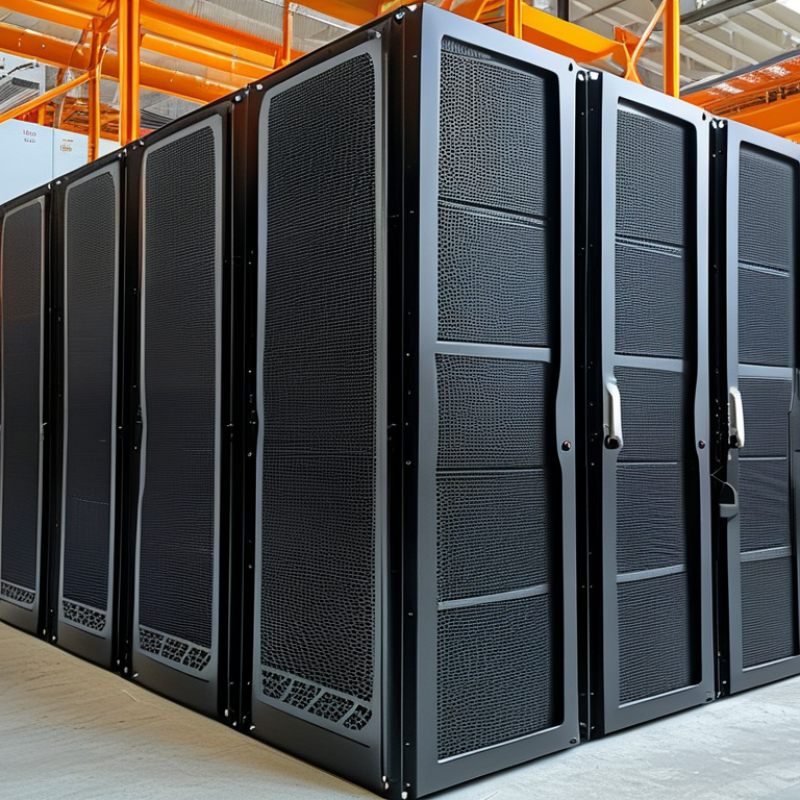
When choosing the best tower UPS models, reliability is paramount. A dependable uninterruptible power supply can safeguard your equipment during power outages. Reliability ensures your sensitive devices remain operational when it counts. Users should look for models that offer robust battery life and efficient power management.
Consider the features that enhance usability. Models with easy-to-read displays provide immediate information on power status. Look for options with automatic voltage regulation to stabilize output. A model should also have sufficient capacity to handle your devices. Test reviews and user feedback for insights into performance and longevity.
It's important to evaluate manufacturer support. Maintenance services can be crucial for long-term reliability. Many users overlook the importance of regular check-ups. Ignoring this can compromise your UPS’s efficiency and lifespan. Choose a model that not only meets your needs but also has a reputation for lasting support.
When selecting a tower UPS, several key features stand out. Power capacity is crucial. Understand your total load requirements to avoid overloading the UPS. A proper calculation ensures that your system runs smoothly during outages. An inadequate UPS may fail, risking damage to your equipment and data loss.
Efficiency is another essential consideration. Look for models with high conversion efficiency rates. They reduce energy consumption, benefiting both the environment and your electricity bill. Reliability is vital. Consider models with good track records and positive user reviews. You want a system that won't fail when you need it the most.
It’s also wise to think about the ease of maintenance. Tower UPS systems should have accessible components for quick replacements. Regular updates improve performance, so check how often the system receives updates. It's about finding a balance between features and your budget, as overspending can lead to remorse later. Stay informed and choose wisely.
| Model | Capacity (VA) | Output Power (W) | Runtime (Minutes) | Output Voltage (V) | Features |
|---|---|---|---|---|---|
| Model A | 1500 VA | 900 W | 30 minutes | 230 V | LCD Display, AVR, Surge Protection |
| Model B | 2000 VA | 1200 W | 25 minutes | 230 V | Smart LCD, Automatic Restart, USB Connectivity |
| Model C | 1000 VA | 600 W | 40 minutes | 120 V | Compact Design, Overload Protection, Audio Alarm |
| Model D | 3000 VA | 1800 W | 20 minutes | 230 V | Dual Input, Ethernet Protection, Extended Warranty |
When searching for reliable tower UPS solutions, it's crucial to consider brands known for their expertise in power management. Many reputable manufacturers focus on delivering stability and performance in diverse environments. Customers often value features such as long battery life and efficient energy conversion. These attributes play a significant role in ensuring minimal downtime during power outages.
Various options cater to different needs. Some tower UPS systems are designed for small businesses, while others are tailored for larger enterprises. It's essential to assess the capacity and scalability of these products. Reviews from experienced users can provide valuable insights into real-life performance. However, potential buyers should also recognize common issues with backup power systems. Regular maintenance is necessary to keep these devices functioning optimally.
Trustworthy brands prioritize customer support and product warranties. This commitment enhances user confidence. Yet, some brands may falter in communication or service. It's wise to research and understand the available options. Identifying common problems and learning how brands address them can guide informed decisions.
When analyzing tower UPS performance across different regions, various factors emerge. Environmental conditions significantly influence UPS reliability. For example, humid climates can affect battery life, while extreme temperatures may lead to overheating. Thus, users must consider local conditions when selecting a UPS.
The variations in power supply quality also play a crucial role. Regions with unstable electricity may require more robust UPS solutions. Users in these areas should look for models with advanced voltage regulation features. Availability of technical support is another factor. Access to reliable service can affect long-term performance and user satisfaction.
Tip: Always assess your region's power supply conditions before finalizing a UPS purchase.
When choosing a tower UPS, prioritize efficiency ratings. Some models may perform well under certain conditions but falter in others. Researching user reviews can provide insight into reliable options. However, not all reviews are accurate. Look for multiple sources of feedback to make an informed decision.
Tip: Compare performance across different models, but remain mindful of varying regional needs.
Maintenance of Tower UPS systems is crucial for ensuring long-term reliability. Regular inspections can help identify potential issues before they escalate. For example, according to a recent report by the International Society of Automation, proper maintenance can extend the lifespan of UPS units by up to 30%.
Battery care plays a vital role in UPS performance. Monitoring battery health is essential for maintaining system efficiency. Industry studies reveal that a poorly maintained battery can lead to system failures in 20% of cases. Regularly testing battery capacity and replacing old batteries can reduce this risk significantly.
Keep dust and debris away from cooling vents. Overheating can become a silent killer for performance. A study by the IEEE found that 60% of UPS failures stem from inadequate cooling. Implementing a cleaning schedule also aids in enhancing airflow. These steps create a more reliable and efficient power solution. Long-term reliability hinges on attention to these details.
: Evaluate the capacity, scalability, and efficiency ratings. Local power supply quality is also important.
Humid climates can reduce battery life. Extreme temperatures might cause overheating, impacting reliability.
Regular maintenance helps identify issues early. It can extend lifespan by up to 30% according to industry studies.
Regularly test battery capacity. Replace old batteries to ensure optimal performance and reduce system failure risk.
Keeping dust away from vents prevents overheating. Poor cooling can contribute to 60% of UPS failures.
Assess local power conditions. Choose models with advanced voltage regulation for areas with unstable electricity.
User reviews can provide insights, but not all are accurate. Consult various sources for better decisions.
Frequent problems include battery failure and overheating. Regular inspections can reduce these risks.
Yes, reliable support boosts confidence in your choice. Poor communication can lead to dissatisfaction.
Implement a cleaning schedule for cooling vents. It helps maintain airflow and system efficiency.
In today's rapidly advancing technological landscape, Tower UPS systems have emerged as essential solutions for providing reliable power to businesses and individuals alike. This article explores the best Tower UPS models available to global buyers, focusing on the key features that should be considered when selecting the right system for specific needs. Important criteria include capacity, efficiency, and the ability to handle varying power demands, ensuring continuous operation during outages.
Additionally, the article examines top brands renowned for their trustworthy Tower UPS solutions worldwide, offering insights into their performance across different regions. To maintain the reliability and longevity of Tower UPS systems, practical maintenance tips are provided, emphasizing the importance of regular checks and battery management. Overall, understanding these factors is crucial for users to make informed decisions, ensuring uninterrupted power supply and protection of valuable equipment.

REO UPS