As the global demand for clean energy intensifies, the spotlight turns to lithium. 2026 approaches, and lithium ups trends become critical for buyers worldwide. This essential mineral powers electric vehicles and energy storage solutions, making it a focal point in sustainable technology.
In recent years, the lithium market has shown explosive growth. Prices have surged, attracting both established mining companies and new entrants. Buyers must navigate this evolving landscape, where understanding market trends is vital. For instance, emerging technologies could disrupt costs and availability. Staying informed is essential, as the market is unpredictable.
However, the rapid growth poses challenges. Supply chain issues may arise, leading to potential shortages. Buyers should reflect on their sourcing strategies. Identifying reliable suppliers is crucial in this volatile environment. Engaging with experts and industry reports can enhance decision-making. By doing so, global buyers can better align with the lithium ups trends shaping the future of energy.
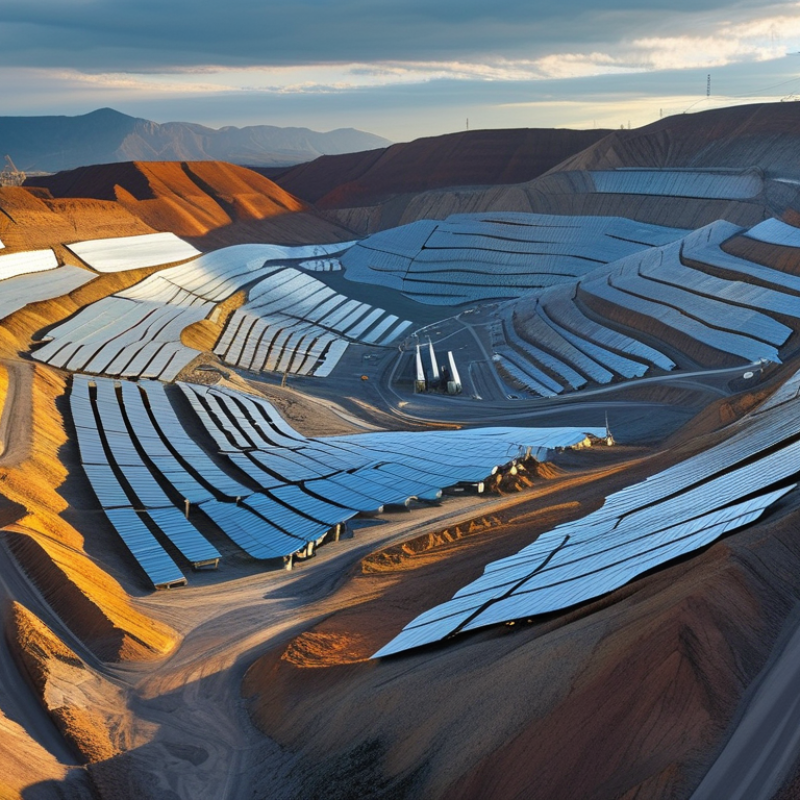
The demand for lithium is set to surge in 2026, driven by several critical factors. One major influence is the electrification of transportation. As more automakers shift to electric vehicles (EVs), lithium-ion batteries become essential. According to a report by the International Energy Agency, the number of electric cars on the road could reach 300 million by 2030, significantly increasing lithium needs.
Another crucial factor is renewable energy storage. As the global energy landscape shifts, there is a growing demand for effective energy storage solutions. Batteries are necessary to store energy generated from renewable sources like solar and wind. A market research report estimates that the energy storage market will grow by over 25% annually, further driving lithium demand.
However, challenges remain. The supply chain can be unpredictable, as seen in recent years. Geopolitical tensions and environmental concerns can affect production stability. Moreover, mining practices often face scrutiny, raising questions about sustainability. Despite these hurdles, the outlook for lithium remains optimistic, as industries adapt to meet rising demand.
The lithium industry is experiencing a significant transformation. Emerging technologies are shaping how lithium is extracted and processed. Innovations like direct lithium extraction (DLE) are gaining attention. DLE offers a more efficient method compared to traditional mining. It reduces waste and minimizes environmental impact.
Additionally, advancements in battery technology are changing lithium demand. Solid-state batteries promise higher energy densities and improved safety. These batteries require purer lithium, influencing sourcing strategies. Companies are exploring ways to adapt to this shift. Recycling lithium from old batteries is also becoming more viable. It addresses supply shortages and environmental concerns.
However, these advancements are not without challenges. The cost of new technologies can be high. Many companies need to balance innovation with traditional methods. The industry must reflect on its practices. Adapting to change is crucial, but it involves risks. The path forward requires a careful approach to ensure sustainability and efficiency.
The lithium market is undergoing significant changes that impact global pricing trends. Demand for lithium is soaring, primarily due to the rise of electric vehicles and renewable energy technologies. This surge has created a complex interplay of factors influencing prices. Supply chain disruptions, geopolitical tensions, and evolving regulations are key elements contributing to market volatility.
Emerging economies are increasing their mining capacities, which could reshape the global supply landscape. However, the environmental implications of lithium extraction cannot be overlooked. Many regions are grappling with the challenge of balancing resource development and sustainability. As countries strive for energy transition goals, the pressure to find eco-friendly solutions in lithium production grows.
Market participants must remain vigilant about these dynamics. Economic policies and trade agreements can abruptly shift supply chains. Investors should closely monitor local and global developments. The lithium market is not static; it is nuanced and requires continuous assessment. Understanding these trends is imperative for making informed decisions in a rapidly evolving landscape.
The lithium market continues to evolve rapidly, showing marked regional disparities in production and consumption. Asia, particularly China, leads as a major consumer, accounting for nearly 60% of the world’s lithium demand in 2023. According to the International Energy Agency (IEA), this surge is fueled by the electric vehicle (EV) boom, as China's EV sales grew by 120% in the last year alone. These impressive figures illustrate the profound shift towards sustainable energy solutions.
On the production side, Australia and Chile remain dominant players. Data from the U.S. Geological Survey indicates that Australia produces over 50% of the world’s lithium supply. However, Chile's reserves and brine operations are critical. The variability in production methods leads to different environmental impacts and economic outcomes. Brazil is also emerging as a significant producer, but its infrastructure and regulatory challenges present hurdles that could temper growth. The lithium landscape is complex, with each region facing unique challenges and opportunities.
Sustainability in the lithium supply chain is an urgent topic. According to a recent report by the International Energy Agency, lithium demand is projected to grow by over 40% by 2026. This surge raises critical questions about how the sourcing and processing of lithium can be made more sustainable.
Currently, many lithium extraction practices have significant environmental impacts. Traditional mining operations consume vast amounts of water and can lead to habitat destruction. A study by the World Economic Forum estimated that sustainable practices could reduce water usage by up to 50% in mining operations. Meanwhile, companies are exploring new technologies to minimize waste emissions. These advancements highlight the industry’s quest for greater efficiency while adhering to environmental standards.
However, there is still much room for improvement. Some operations lack transparency, complicating efforts to ensure responsible sourcing. The Lithium-ion battery recycling rate remains below 5%, indicating an inefficiency in circular economy practices. Addressing these issues requires collaboration among stakeholders, from miners to manufacturers. There is potential for innovation but also a pressing need for accountability to build trust and ensure a genuinely sustainable lithium supply chain.
| Trend | Description | Impact on Sustainability | Adoption Rate (%) |
|---|---|---|---|
| Circular Economy Initiatives | Increased focus on recycling lithium from old batteries to reduce waste. | Reduces landfill waste and conserves raw materials. | 45% |
| Sustainable Mining Practices | Implementation of strategies to minimize environmental impacts of lithium extraction. | Promotes biodiversity and protects water resources. | 60% |
| Innovative Battery Technologies | Emergence of batteries using alternative materials to reduce dependency on lithium. | Lowers the ecological footprint of battery production. | 35% |
| Supply Chain Transparency | Increased demand for traceability and transparency in lithium sourcing. | Ensures ethical sourcing and compliance with environmental standards. | 55% |
| Collaboration with Local Communities | Partnerships with local populations to enhance social responsibility in lithium production. | Benefits local economies and improves community relations. | 50% |
: The electric vehicle boom drives lithium demand. China accounts for nearly 60% of global demand.
Australia produces over 50% of the world’s lithium supply, making it a dominant player.
Brazil faces infrastructure and regulatory challenges that may hinder its growth in the lithium market.
Traditional mining consumes large water amounts and can destroy local habitats, causing significant environmental harm.
Sustainable practices could cut water usage by up to 50%. New technologies aim to minimize waste emissions.
The lithium-ion battery recycling rate is under 5%, showcasing inefficiencies in circular economy practices.
Lack of transparency complicates responsible sourcing efforts and can undermine sustainability initiatives.
Collaboration among miners, manufacturers, and policymakers is vital to address sustainability issues effectively.
While new technologies are being explored, there's still much room for improvement in sustainable extraction practices.
Lithium demand is expected to grow by over 40% by 2026, stressing the need for efficient and sustainable practices.
The article "2026 Top Lithium Ups Trends for Global Buyers Insights" explores key dynamics shaping the lithium market in the coming years. It highlights factors driving lithium demand, particularly in the context of electric vehicle production and renewable energy storage solutions. Emerging technologies are also examined for their potential to enhance lithium production efficiency, aiding in meeting rising global demands.
Moreover, the piece discusses global market trends that are impacting lithium prices, emphasizing the interconnectedness of producers and consumers across different regions. Regional insights reveal the major players in the lithium industry, shedding light on both supply and consumption patterns. Finally, the article addresses the growing importance of sustainability practices within the lithium supply chain, ensuring that as lithium ups its role in global markets, it does so with environmental considerations in mind.

REO UPS